




Germany is demanding deep cuts to the European Commission’s proposed EU budget and ruling out new common borrowing, setting up a bruising battle over how Europe funds Ukraine, defence and competitiveness.
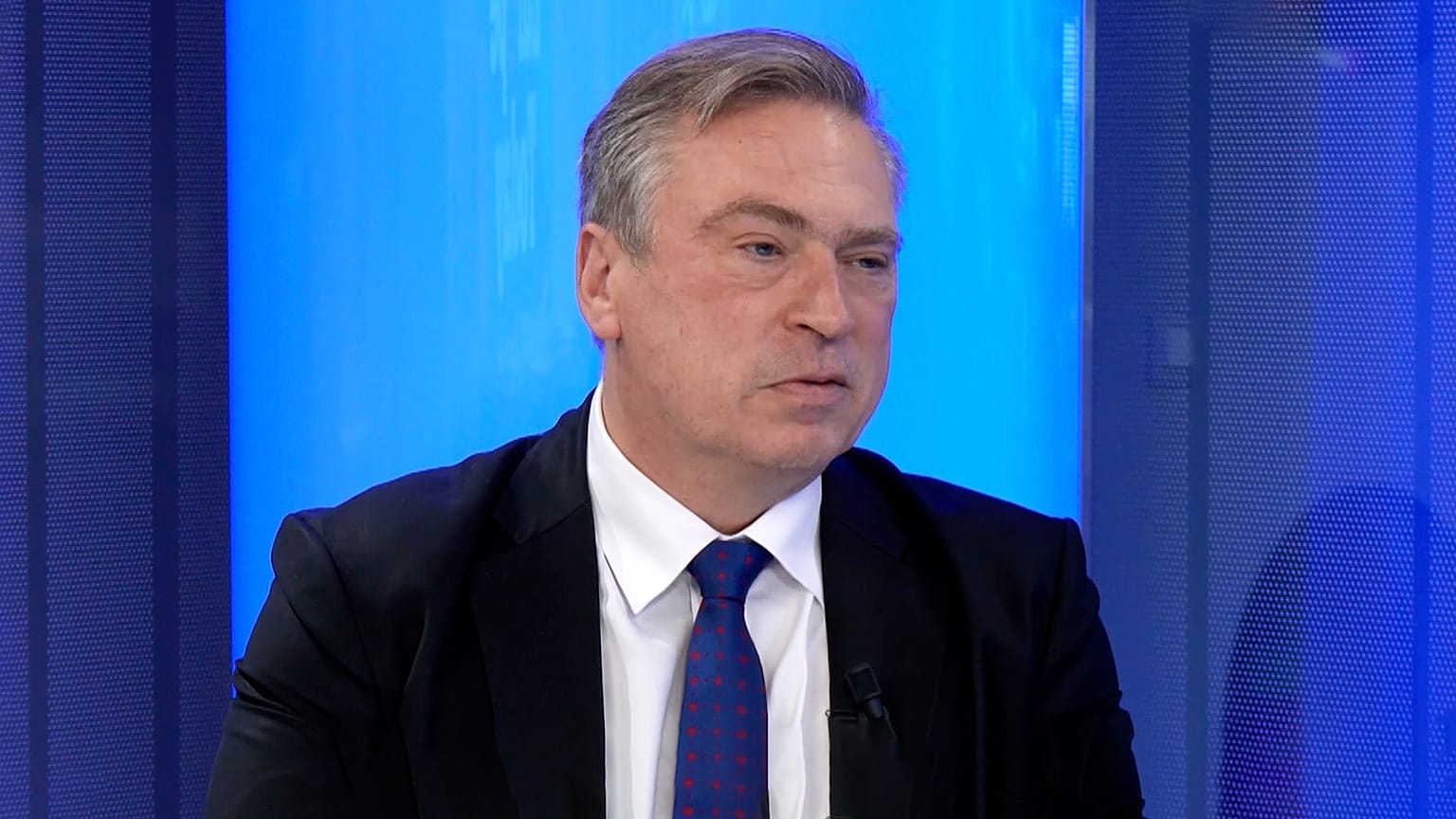
Germany wants the EU’s next long-term budget cut by “at least several hundreds of billions of euros”, German Ambassador to the EU Thomas Ossowski said in an interview with Euronews, signalling that member states remain far from a deal despite last week’s summit.
 ADVERTISEMENT
“The Commission proposal was far too high,” Ossowski said.
The Irish EU presidency has already reduced the proposal by around €140 billion in its latest negotiating framework. But Berlin says that is not enough.
“We are not there yet,” Ossowski said. “More cuts will definitely be necessary.”
The next key step will be a new negotiating proposal from European Council President António Costa ahead of an informal EU summit at the end of November. The goal is to reach a deal before Christmas.
“It is an ambitious plan,” Ossowski acknowledged.
No new common debt
Germany is also drawing a red line over how the EU should finance its ambitions.
Asked whether Berlin would accept another round of common EU borrowing if member states refuse to increase their contributions, Ossowski was unequivocal: “No, definitely not new common borrowing.”
Germany believes further joint debt would undermine national sovereignty. Berlin is willing to discuss new EU “own resources”, but rejects the idea of an EU-level tax on European companies.
The argument is part of a broader German push for a smaller but more strategically focused EU budget.
Ossowski said spending should prioritise competitiveness, innovation, research, defence, security and Ukraine.
Agriculture and cohesion funding would remain, but Germany supports cutting their combined share of the EU budget from roughly 66% today to 50%. “We think that is a sustainable approach,” he said.
Ukraine adds to the pressure
The budget fight comes as EU leaders face growing demands to finance Ukraine’s war effort.
Ossowski rejected the idea that additional support for Kyiv would necessarily come at the expense of farmers, families or cohesion funding. The €90 billion in loans already arranged for Ukraine, he said, was financed outside the regular EU budget using the bloc’s existing “headroom”.
But further support will be needed to get Ukraine through the winter and into next year.
“Germany stands with Ukraine and the European Union stands with Ukraine,” Ossowski said, while stressing that Berlin also expects the G7 and other international partners to contribute.
Berlin sees no Russian readiness for talks
Ossowski was meanwhile sceptical about the latest US-led diplomatic push to end the war.
“We don't see any readiness by Russia to engage in any kind of negotiations,” he said, pointing to continued Russian attacks on Ukrainian cities and civilians.
Until that changes, European support for Kyiv will continue, he said.
For Germany, the stakes extend beyond Ukraine. Ossowski cast the conflict as a test of Europe’s ability to defend the rules-based international order and its own security architecture.
“The European Union is now the actor who defends the rule-based international order,” he said.
The message from Berlin is therefore clear: a smaller EU budget, no new common debt — but more spending on the geopolitical priorities Germany believes Europe can no longer afford to ignore.