

A new ranking of 55 retirement income systems reveals how Europe’s pension systems compare, with concerns over the long-term sustainability of benefits in some of the continent’s largest economies.
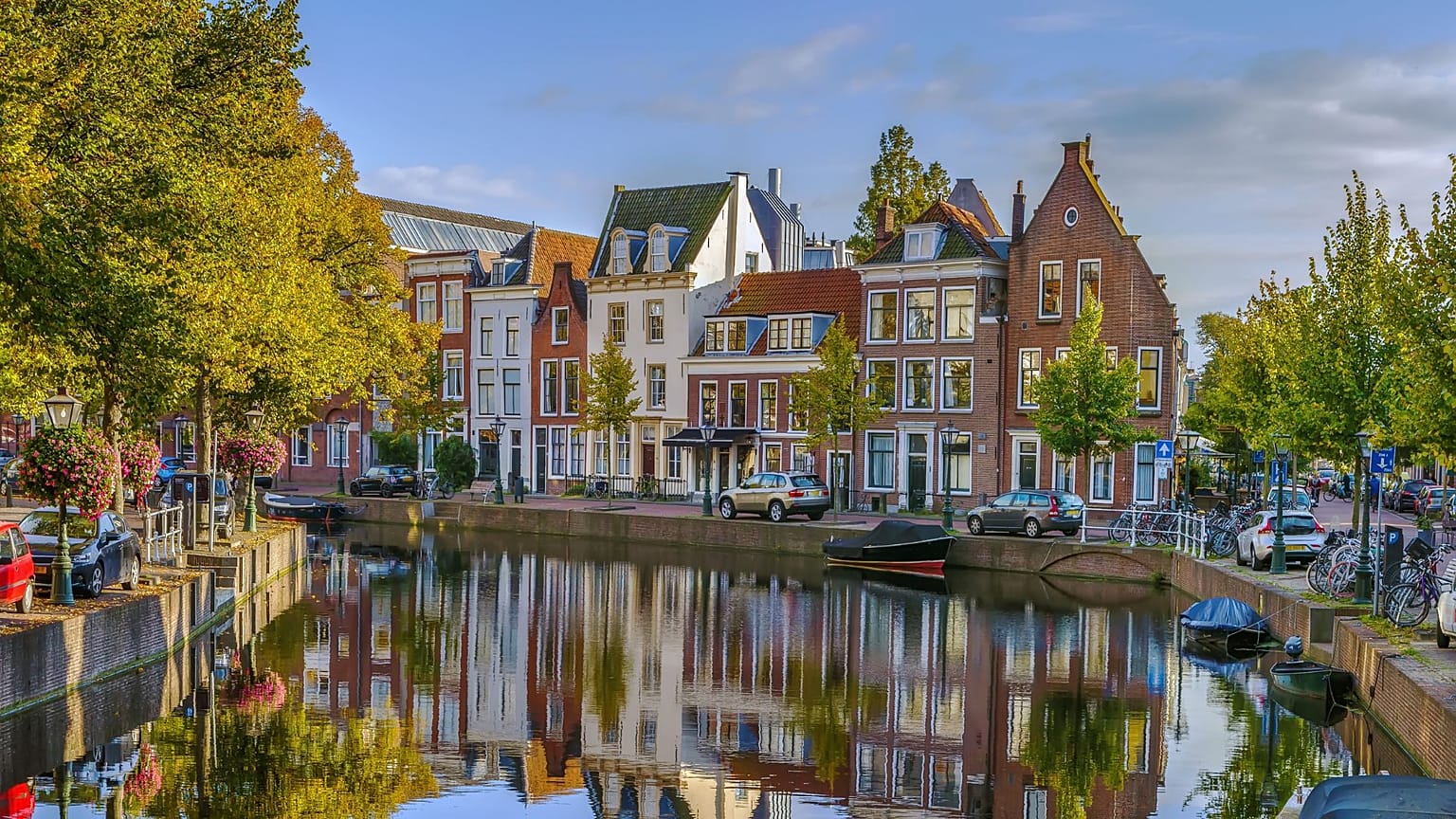
The Netherlands offers the best pension system in the world, according to the Marsh CFA Institute Global Pension Index (MCGPI).
 ADVERTISEMENT
The top-ranking country received a score of 85.8 out of 100, followed by Denmark at 84.1 and Iceland at 84.0. They are the only European systems awarded the best grade. Singapore, Israel and Australia complete this category, which includes the best pension systems globally.
The index compared 55 retirement income systems, covering 66% of the global population.
They measured each system against three major sub-indices, which assess the adequacy of retirement income, whether systems can keep delivering and the strength of their governance and safeguards.
Against these individual priorities, the ranking changes substantially: Kuwait scores highest for adequacy, Denmark leads on sustainability, and Finland tops the integrity sub-index, according to the Global Pension Index.
To lead the overall ranking, a pension system needs to combine good benefits with long-term sustainability and a high level of integrity.
That combination earned the Netherlands the top spot in 2026 for the fourth year running.
The report calls it a “robust retirement income system,” with a state pension providing a reliable income floor, with additional workplace pensions covering most employees. A large pool of invested pension assets helps guarantee future payments. The system has strong regulation, governance, and member protection, which build confidence, the report said.
The Netherlands is currently reforming its pension system. It is moving from promised benefits, usually linked to salary and years worked, towards individual pension pots based more directly on contributions and investment returns.
The reforms come as low interest rates have made promised payments harder to fund, while funding rules sometimes delayed increases to keep pace with inflation. Workplace pensions were also less suited to people who changed jobs frequently or became self-employed.
The transition is expected to be completed by 2028.
European pension systems compared
The index compares 19 European countries, including Turkey.
Following the Netherlands, Denmark and Iceland, the next best pension systems are in Sweden, Finland and Norway, followed by Switzerland, the UK, France, Ireland, Belgium, Germany, Portugal and Croatia. These countries received B+ or B grades, indicating systems with sound structures and many good features, but also areas for improvement.
Countries in the next two categories, C+ and C, include Spain, Poland, Italy and Austria, with systems that have some good features, but also major risks or shortcomings that could undermine their efficacy or sustainability. These categories include the US and mainland China, the world's two largest economies.
Several major European systems provide good benefits but face serious challenges with long-term funding.
European countries with the most long-term vulnerabilities include Austria, Italy and Spain.
The contrast is particularly sharp in Spain. The EU’s fourth-largest economy scored 83 for adequacy, indicating strong retirement benefits and resources, but just 33 for sustainability.
France, the EU’s second-largest economy, scored 85 for adequacy but only 49.3 for sustainability.
In Europe, Turkey is at the bottom of the overall ranking with the lowest score for resources and funding among the European countries assessed. Its sustainability score is also among the lowest.
The report noted that the world’s retirement income systems face mounting pressure. People are expected to live longer on average, but declining fertility rates mean that fewer people are entering the workforce to finance their pensions.
Graham Pearce, global defined benefit segment leader at Marsh, told Euronews Business that “one of the key challenges for unfunded pension systems is that the number of retirees relative to workers is expected to increase significantly over the coming decades”.
In these systems, today’s workers’ contributions help pay today’s retirees, rather than being invested to pay their own future pensions.
European central bank leaders have also sounded the alarm about the long-term prospects of pension systems in Europe’s largest economies.
Bundesbank president Joachim Nagel told Handelsblatt in May 2026 that linking Germany’s retirement age to life expectancy after 2031 could help. He called the country’s new private pension scheme, due in early 2027, “an important step towards a stronger funded pension pillar”, but warned it would not be enough to tackle long-term sustainability problems.
Speaking to Le Figaro that month, François Villeroy de Galhau, then Banque de France governor, warned that financing public spending through deficits shifted costs to younger generations. “We are transferring the burden of debt and pensions to our children,” he said.
In September 2026, the European Commission called for supplementary saving alongside public pensions, warning of growing pressure on public budgets and the risk that “too many people will face a sharp drop in income when they retire”.
Adapting systems to a longer, more flexible retirement
To future-proof pension systems, including those in Europe, without raising retirement ages or reducing benefits, governments will need to raise additional revenue to fund a growing number of retirees.
According to Pearce, “This could be achieved through higher taxes or social security contributions, or by enabling and incentivising those who are willing and able to work longer to do so, which would also generate additional tax revenue”.
The report predicts that pension systems that clarify their objectives, strengthen funding and build flexibility into their system today can become some of the best pension systems in the future.
The report suggests that pension systems can be made more sustainable by increasing private pension coverage for employees and the self-employed, improving the governance and transparency of private pension plans, raising the retirement age to reflect increasing healthy life expectancy, and helping more people work at older ages so they can save more for retirement.
It also recommends encouraging higher levels of private saving and introducing measures to help reduce the gender pension gap and gaps affecting minority groups.
According to Pearce, younger workers should not necessarily expect less generous public pensions over the next 10–20 years. However, he said building up invested retirement savings alongside state pensions would be needed to make systems more sustainable.
He also expects greater use of auto-enrolment schemes to supplement public pensions. These automatically sign workers up for a pension scheme, usually with the option to opt out. Contributions are taken from their pay, often topped up by their employer, and invested to provide income alongside their state pension.
Commenting on countries such as France and Spain, which score highly for adequacy but poorly for sustainability, Pearce warned that “without action to improve the sustainability of public pension systems, such as raising retirement ages or introducing an element of pre-funding at an early stage [investing money now to help pay future pensions], governments may eventually face difficult decisions as existing arrangements become unaffordable.”
These decisions could include reducing pension benefits, he added. “Taking action now can help preserve the retirement expectations of today's workers while avoiding passing an excessive financial burden on to future generations,” he said.