



























The winner of the European Green Capital 2028 awards is going home with €600,000 to help turn ambition into further action.
The EU's greenest city for 2028 has been crowned, in a sweeping victory for Spain.
 ADVERTISEMENT
ADVERTISEMENT
ADVERTISEMENT
The European Commission’s annual European Green Capital and Green Leaf Awards recognise cities that are making measurable environmental progress while improving quality of life for their residents.
Back in June, an independent panel whittled 27 eligible applicants down to eight finalists, judging them on everything from air and water quality to their biodiversity and efforts to cut emissions.
Five were in the running for the Green Capital title: Aalborg in Denmark, Bielsko-Biała in Poland, Košice in Slovakia, Porto in Portugal and Zaragoza in Spain. Another three – Benidorm and Chiclana de la Frontera in Spain, and Estarreja in Portugal – were shortlisted for the Green Leaf awards for cities with smaller populations.
Europe's greenest city revealed
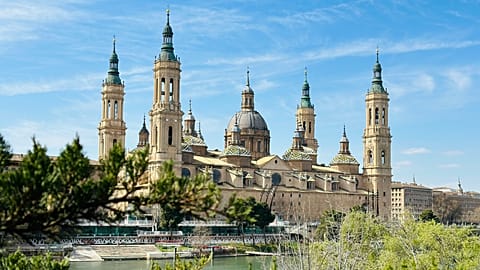
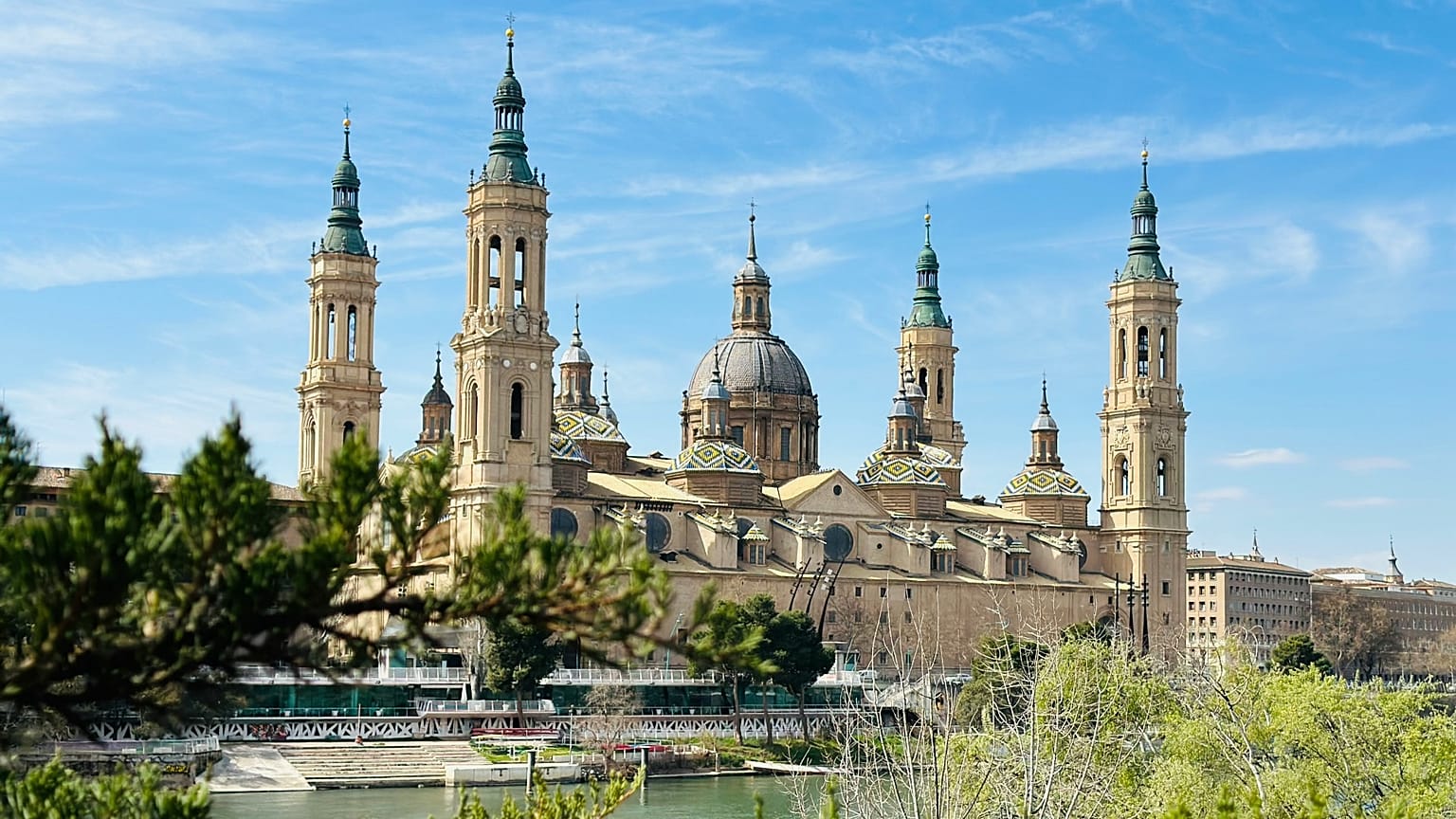
Yesterday (Thursday 8) at a festive ceremony in Guimarães, Portugal, the 2026 prizewinner, Zaragoza, was named European Green Capital 2028.
The city received the first-place prize for its "strong governance and long-term commitment, helping the city respond successfully to growing climate challenges". Zaragoza, which has received a €600,000 prize, was praised for urban biodiversity, green areas and sustainable land use.
It has also implemented a Green Infrastructure Master Plan, which establishes "diverse strategies to maximise and connect green components across the city".
Benidorm and Estarreja also impressed the jury with their strong commitment to creating greener, healthier and more sustainable places to live – and were both awarded the European Green Leaf 2028 title. Each will take home €200,000 for green projects and public activities.
Benidorm stood out for "successfully managing mass tourism pressures" while maintaining environmental protections and sustainable development – while Estarreja was recognised as a "compelling example" of green transformation, successfully moving beyond its industrial legacy.
"Our cities are at the heart of Europe’s environmental transition," says Jessika Roswall, European Commissioner for Environment, Water Resilience and a Competitive Circular Economy.
"They are where we can turn policies into visible change by bringing nature back into our neighbourhoods to cool our streets, reduce air, water and noise pollution, and improve waste management, to create healthier, more sustainable places for people to live and thrive."
Roswell congratulated all three winners, arguing that many cities in Spain and Portugal are "true frontrunners in urban sustainability".
She adds: "I hope their experience will inspire many more European cities and accelerate the transition towards greener, more resilient communities."
How are Europe’s greenest cities judged?
The EU launched the Green Capital Award to recognise cities that are making measurable progress on environmental problems and improving quality of life for their residents.
The main prize is open to cities with more than 100,000 inhabitants. Smaller cities with populations between 20,000 and 100,000 compete for the Green Leaf title.
The expert panel judged applicants in seven areas, including how clean their air and water are, how they protect nature and green space, how they manage waste and noise, how quickly they are cutting emissions and how they are preparing for threats such as extreme heat and flooding.
How are European cities adapting to a hotter climate?
The changes being recognised by the EU are part of a paradigm shift visible in cities around Europe. As summers get hotter and weather patterns become more unpredictable, urban planners are giving more space back to trees, parks and water.
In Barcelona, for example, some streets have been closed to through traffic while others have been turned into parks and pedestrian areas.
Meanwhile, in Milan, the Bosco Verticale has provided a small but important example of ways cities can add greenery even where there’s little room for parks. The two residential towers feature more than 21,000 trees and shrubs on their terraces.
In Breda, the Netherlands, widespread civic involvement has transformed the city since the turn of the century. Concrete tiles have been replaced with grass, flower beds and trees. Homes and schools have added rooftop gardens.
Today, 60 per cent of the city is green space – part of more than a decade of work that helped Breda become the EU’s first National Park City in 2025.
The Green Cities Awards are not only a matter of adding plants to buildings or streets, though. Heilbronn, Germany, won the 2027 Green Capital title after scoring highly for its clean air and water, noise reduction policies and waste reduction, among other things.