






























Around 280,000 people are registered as missing in Ukraine alone, with 10,000 new cases added each month, part of a 70% global rise since 2019. Forensic experts meeting in Baku said the obstacle was not forensic capacity but governmental reluctance.
Hundreds of thousands of people worldwide remain missing in wars, as experts who met in Baku warned that political will, not technology, is the obstacle to identifying them.
 ADVERTISEMENT
ADVERTISEMENT
ADVERTISEMENT
The figures have continued to grow, rising 70% between 2019 and 2024, according to the ICRC.
In Ukraine alone, around 280,000 people are registered as missing as of September 2026, with an estimated 10,000 new cases added every month, according to the same data.
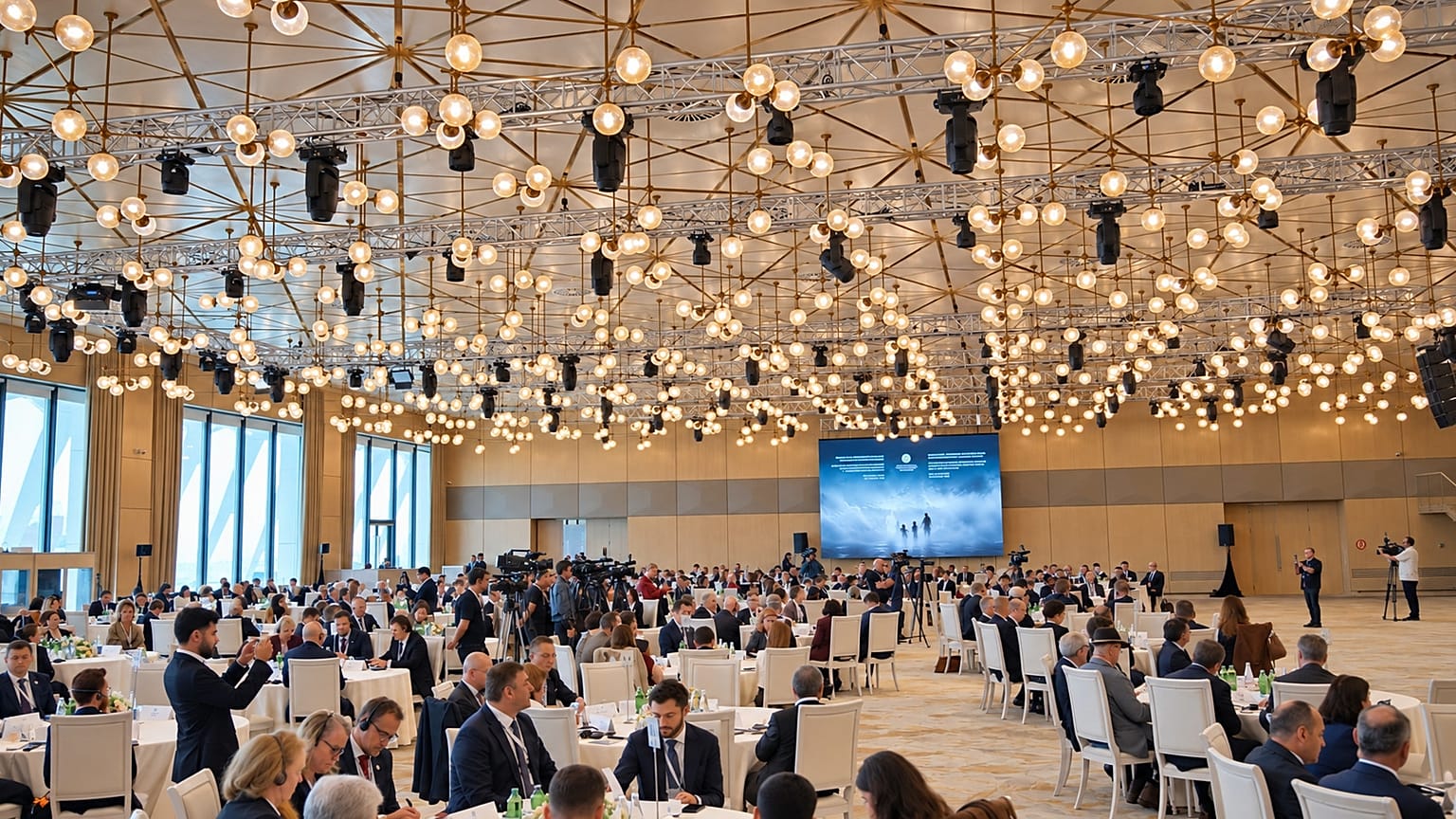
Government officials, forensic experts, and diplomats met at the fourth International Conference on Missing Persons in Baku, under the Baku Dialogue on Missing Persons, to discuss how countries can cooperate to identify the dead and locate those who disappeared in both historical and ongoing conflicts.
Argentinian forensic anthropologist Luis Bernardo Fondebrider, who has worked across 66 countries over 42 years, said the pattern he encounters is consistent.
"In every country, I see the same pattern. The families want justice, want reparation, want memory, and want to know what happened," he said, attributing failure to act to a "lack of political will from the states."
He was unambiguous about governmental pledges. "The speeches about the commitment of the states" were "just words," he said.
"Today, there are almost no governments with the willingness to really investigate how it's happened with the missing and to ask for justice for the perpetrators."
Lord Brady, a member of the UK House of Lords who last visited host country Azerbaijan 16 years ago during the Karabakh conflict, said much had changed since then.
"We've had so much progress in the last few years," he said, adding that technological advances had opened up possibilities that "simply couldn't have been done in the past."
Christian Rivier, head of the ICRC's Central Tracing Agency, told Euronews that technology was only part of the answer.
"We don't need to be blindsided by the fact that technology helps us," he said. Processing the information it generates remained the central challenge, he added.
According to Rivier, it required "the human capacity to understand the information, to make sense of it, to ensure that there is an investigative medical-legal process that follows processes that are efficient and that avoid misidentification."
Azerbaijan's search continues
As of 31 August, 4,010 Azerbaijani citizens remain registered as missing linked to the first and second Karabakh conflicts.
Azerbaijan's State Commission says it has collected DNA samples from more than 11,000 donors to help identify more than 3,700 missing persons.
Rizvan Nabiyev, a member of the State Commission, said cross-border information-sharing was essential for "confidence-building measures" and "trust between societies".
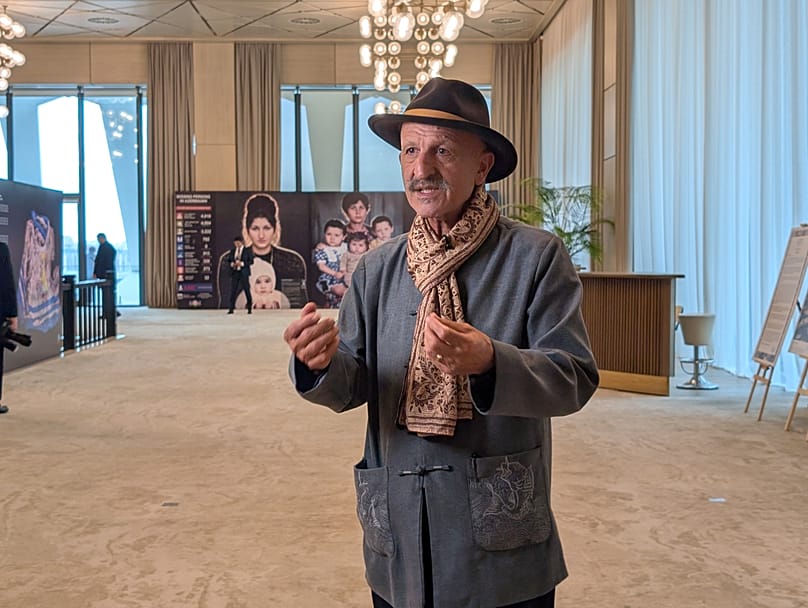
Iranian-French photojournalist Reza Deghati, who presented a collection at the conference documenting the human cost of the Karabakh war, said he had set out to understand who those 4,010 people were.
The state, he said, had begun systematically collecting DNA from the relatives of the missing, "a list of all the families that are missing people."
Finding Ukraine's missing 'a colossal job'
The scale of the challenge is most acute in Ukraine, where the ICRC described in September 2026 "a staggering 280,000 people registered as missing amid the Russia-Ukraine war".
An average of 10,000 new cases have been registered every month since Russia launched its full-scale invasion in February 2022.
Former Ukrainian President Viktor Yushchenko told Euronews that recovering the bodies of Ukrainian soldiers remained an enormous undertaking, describing it as "a colossal job."
Yushchenko said he did not expect Russia to provide information on those who remain unaccounted for. "In short, I am not sure that we will get such information from Russia, because it is Russia," he said.
"Russia is a permanent member of the Security Council of the United Nations, the most peaceful organisation in the world. Russia is a criminal," Yushchenko added.