






























Dr Mohamed Al Kuwaiti told Euronews the UAE was hit online and from the air at the same time, and says international law still has no answer for it.
Every missile and drone strike on the UAE during the Iran war was matched by a cyberattack on the same target, the head of the UAE Cybersecurity Council told Euronews on Wednesday.
 ADVERTISEMENT
ADVERTISEMENT
ADVERTISEMENT
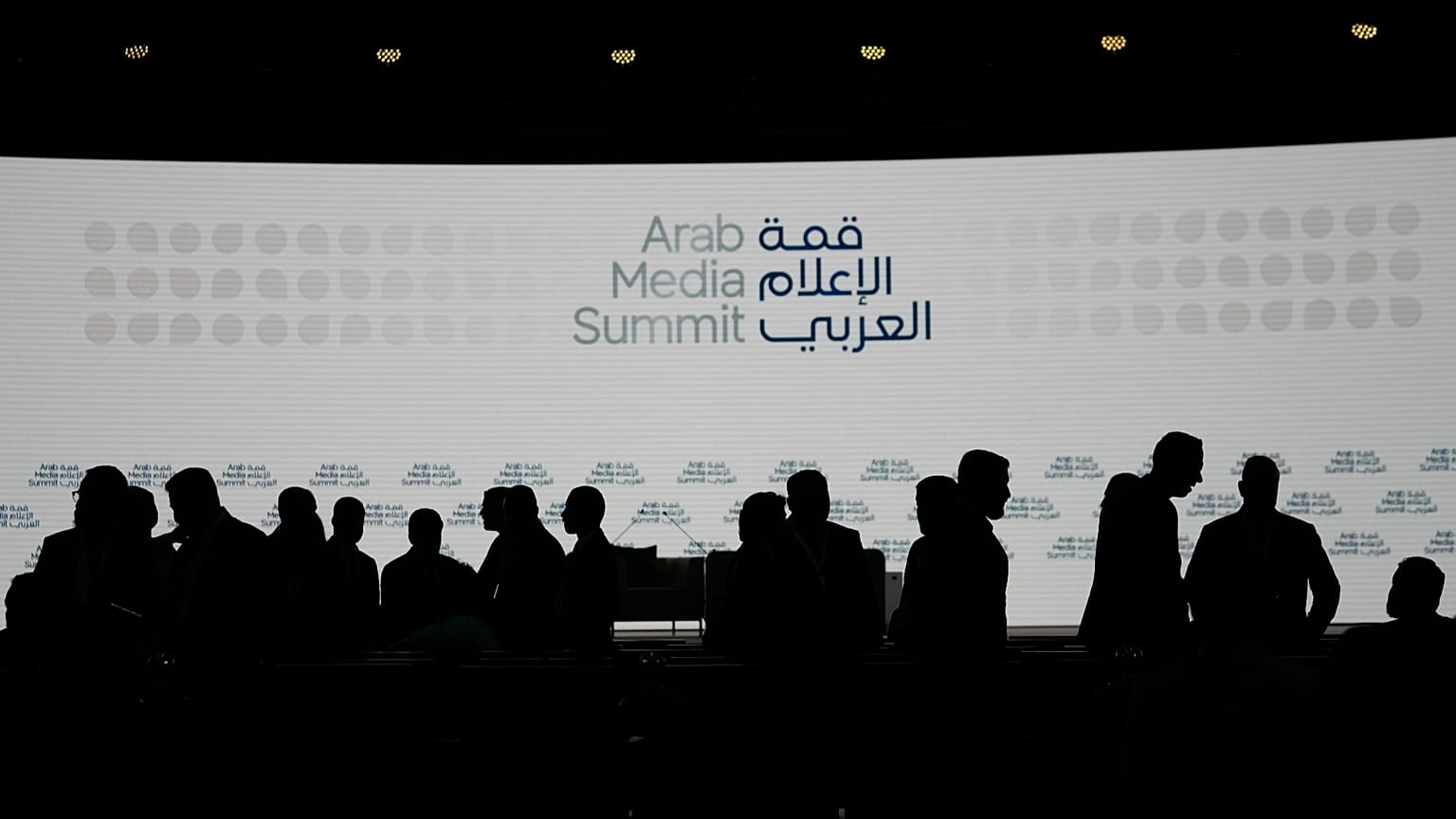
In an interview at the Arab Media Summit in Dubai, Dr Mohamed Al Kuwaiti said the strikes and cyberattacks went hand in hand and that the mix of methods used against the UAE was, to his knowledge, unmatched anywhere.
"Whenever we see a kinetic attack on any of the ports or on any refineries or the airport, there is always a cyberattack towards many of those entities," he said.
"Cyber-crimes, cyber terrorism, cyber warfare, all of it came together during this crisis."
Dr Al Kuwaiti did not attribute the cyber operations to any state.
He listed supply chain compromises, ransomware, fraud, advanced persistent threats and deepfakes.
Electricity, water and aviation were all targeted. Most of that infrastructure is privately owned. Al Kuwaiti said its operators, Emirati and foreign, held it alongside the state.
"Local private sectors or international private sectors, they all came together into this solidarity," he said. "We are one of the global leaders in cyber defence."
He said a second campaign ran online, where false material spread faster than verified reporting.
"We saw during the crisis how many rumours came out here and there," he said. "Now it's no longer seeing is believing."
Al Kuwaiti wants international law to catch up. No treaty sets out what a state may do when it is attacked through a network rather than by a weapon.
"There is still no Cyber Geneva Convention that protects based on the laws, as in the physical laws," he said. "A nation that gets attacked by cyber, does it actually have the right to attack back? Those laws are blurred."
He said security should be built into systems from the start, including AI agents and large language models, and that governments, companies, universities and civil society should share what they know.
"Countries might really spend so much in doing their digital transformations, but yet with a simple attack all of this could go down," he said.
The UAE is targeting AI-driven nation status by 2071 and is building data centre and cloud capacity to match. Al Kuwaiti said he would keep pressing for agreement on cyber norms through the United Nations and the International Telecommunication Union.