

















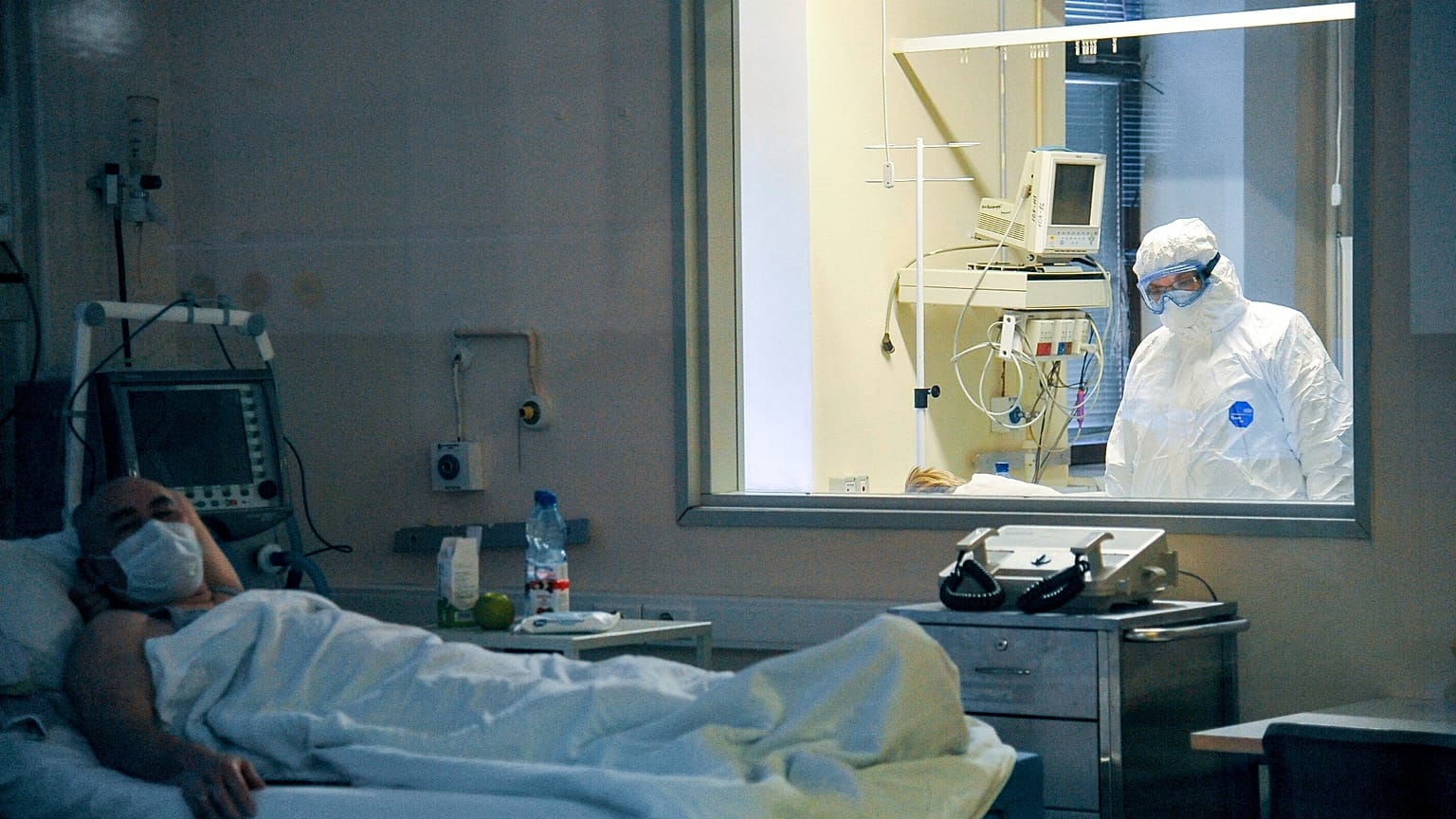













Russia's new rules requiring medical graduates to commit to regional hospital postings before enrolment have left 1,500 residency places unfilled at top universities, even as applications hit record highs.
Russia's largest medical universities are struggling to fill hundreds of postgraduate residency places despite record applications, as new rules requiring graduates to sign advance employment contracts with regional hospitals are deterring candidates.
 ADVERTISEMENT
ADVERTISEMENT
ADVERTISEMENT
Around 1,500 residency places remain unfilled at major medical universities, according to Russian educational outlet Mel.
Moscow's Pirogov University could not fill 289 places, while Sechenov University was short by 211. The vacancies span high-demand specialisations including anaesthesiology, intensive care, surgery and oncology.
The shortfall emerged in the same admissions cycle that saw more than 591,000 applications for state-funded places at Health Ministry universities — 26% more than a year earlier — with an average of 19 applicants per place.
The gap stems directly from changes to medical education that took effect on 1 March, under which all state-funded residency places are now allocated on a targeted basis.
Students must sign contracts in advance with their future employer and commit to working for between 18 months and three years after graduation at institutions within the compulsory medical insurance system.
Graduates who break the terms must repay the full cost of their training, pay a fine equal to twice that amount, and return any scholarship money received during their studies.
Those who fail to secure an employer willing to fund their place before enrolment risk expulsion or transfer to fee-paying programmes.
No one wants to go to Siberia
Experts say the underlying problem is young doctors' reluctance to commit to postings in rural hospitals or small towns, where salaries, working conditions and general living standards are substantially below those in Moscow and other major cities.
Russia's most understaffed regions are concentrated in Siberia and the Far East, where distances are vast and conditions extreme.
Siberia covers roughly 77% of Russia's territory but is home to around 36 million people, most of them clustered in cities along the Trans-Siberian Railway, with winter temperatures regularly falling below -40°C across much of the region.
Academic research published by Krasnoyarsk State Medical University found that low population density and severe climate were the primary factors deterring medical graduates from taking up rural postings.
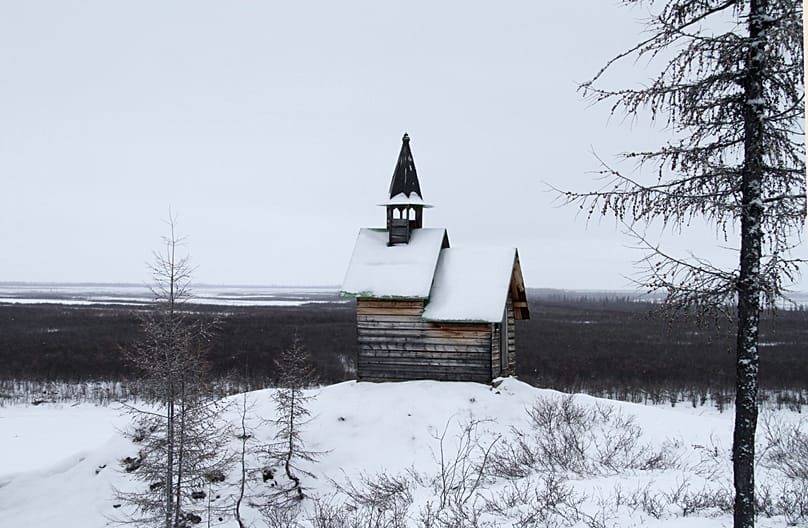
The Russian Far East faces some of the sharpest shortages. In Kamchatka, a peninsula of more than 300,000 people bordering the Pacific, local doctors have described being left to cover multiple hospital departments simultaneously.
During the COVID-19 pandemic, five physicians in the region died from the virus, a toll that local medics said was catastrophic for a territory of that size.
Similar conditions are documented in Yakutia and Khabarovsk Krai, where hospitals regularly operate without the specialist cover that urban facilities take for granted.
Echoes of Soviet past
The targeted system allocates places by commissioning body, field of training, university and destination region, meaning the more precisely places match regional needs, the fewer candidates are willing to apply.
More than 83,000 targeted places were allocated across higher education this year, a significant proportion in medicine.
The system echoes the Soviet-era mandatory placement scheme, which itself drew on practices dating to the reign of Peter the Great.
Under the Soviet model, enterprises and ministries told universities how many specialists they needed. Graduates were assigned postings accordingly, with a compulsory work period of up to three years.
The key difference is that Soviet placement operated within a centralised workforce planning system with guaranteed employment across the economy.
The Soviet model was also plagued by abuses: top students and the children of party officials were steered toward desirable postings, while others were sent to remote regions, and the power officials held over young graduates' career destinations created conditions for widespread corruption.