




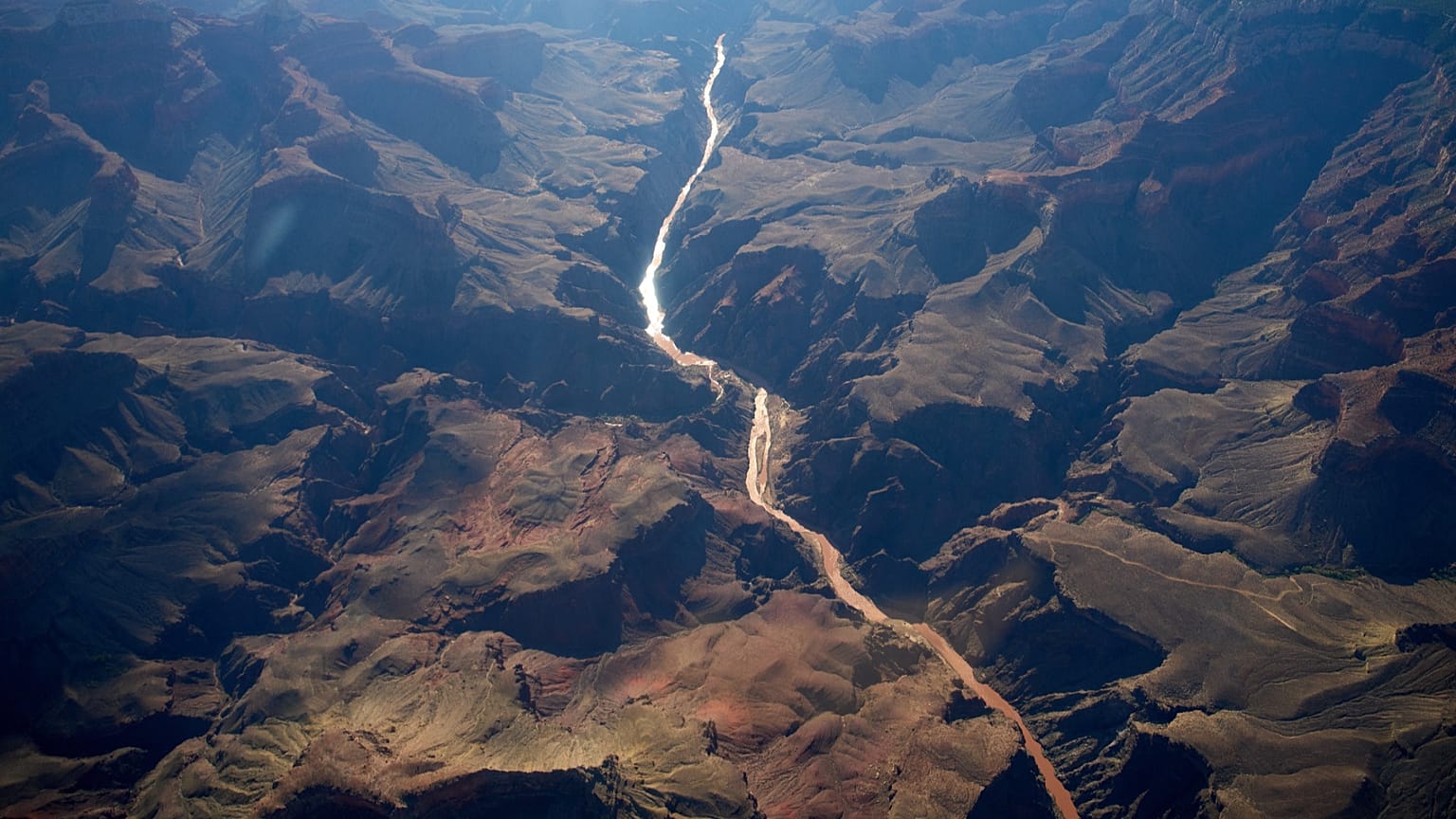













Rescue efforts were hampered on Monday by more heavy rains that swept through the region, a natural part of the seasonal monsoon that frequently causes flash floods.
The number of people unaccounted for after a deadly flash flood hit part of the Grand Canyon has fallen to one as US Park Rangers said they had managed to make contact with over a dozen people who had been missing.
 ADVERTISEMENT
ADVERTISEMENT
ADVERTISEMENT
A monsoonal downpour that lashed the northern side of the huge canyon sent torrents of water, rock and debris down a popular hiking course on Saturday, washing out campgrounds in Bright Angel Canyon and around the historic Phantom Ranch.
Two men are known to have died in the sudden flood whose bodies were recovered as search and rescue teams moved in, amid fears that many more could have been swept away at one of the most popular and dramatic tourist spots in the United States.
But late on Monday, Dave Black of the National Park Service said nearly all those who were known to be in the canyon had now been found.
"There is one person unaccounted for that we know of right now," he told reporters in Grand Canyon Village, Arizona.
Black said 82 people had been rescued over Saturday and Sunday as a huge operation swung into gear and rangers had been canvassing the park's camping permit system to determine who might have been there when disaster struck.
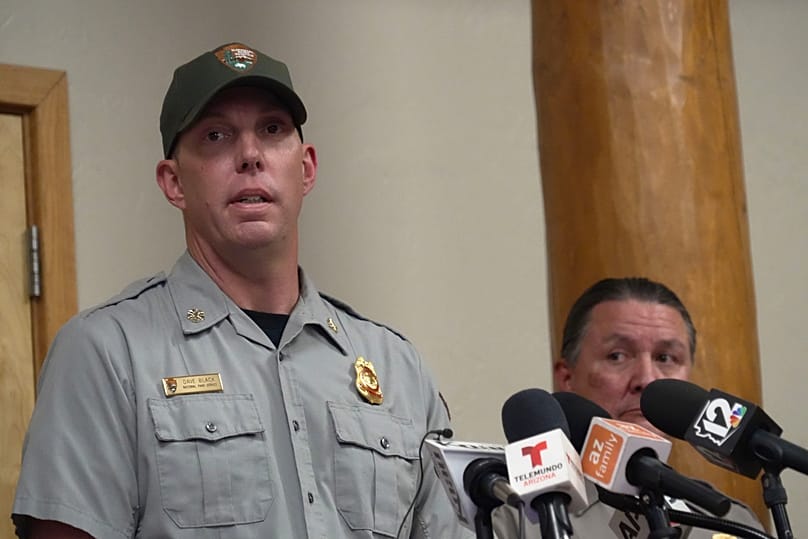
"They've cross-checked between permits, license plates, any information they have, and talked to family members, made sure that they were out," he said.
Rescue efforts were hampered on Monday by more heavy rains that swept through the region, a natural part of the seasonal monsoon that frequently causes flash floods in the many creeks, gullies and washes that make up the arid landscape.
Black said better weather expected on Tuesday would help in the hunt for the one person still known to be missing, as well as any day hikers who may have been caught up in the flood. Day hikers do not require a permit to be in the canyon.
"We are still actively searching...we are absolutely holding out hope that that person is still alive," Black said.
Water pipeline damaged
The flooding damaged or destroyed 40% of the Transcanyon Waterline, a key water pipeline into Grand Canyon National Park, the park service said on Monday.
It announced water restrictions in its most visited area and a ban on wood and charcoal fires in areas where the lack of water might hamper firefighting efforts.
The 20-kilometre pipeline runs from the Roaring Springs source on the North Rim to the South Rim, providing drinking water and fire suppression, according to the park's website.
The flooding also resulted in "significant impacts to infrastructure," destroying footbridges and blocking hikers from crossing Bright Angel Creek, the park service said.
The Grand Canyon remained open to visitors, despite the tragedy. On Monday, dozens of people, many of them foreign tourists, huddled under umbrellas or wore rain ponchos as they stood on the South Rim snapping selfies and straining to make out the Colorado River far below.
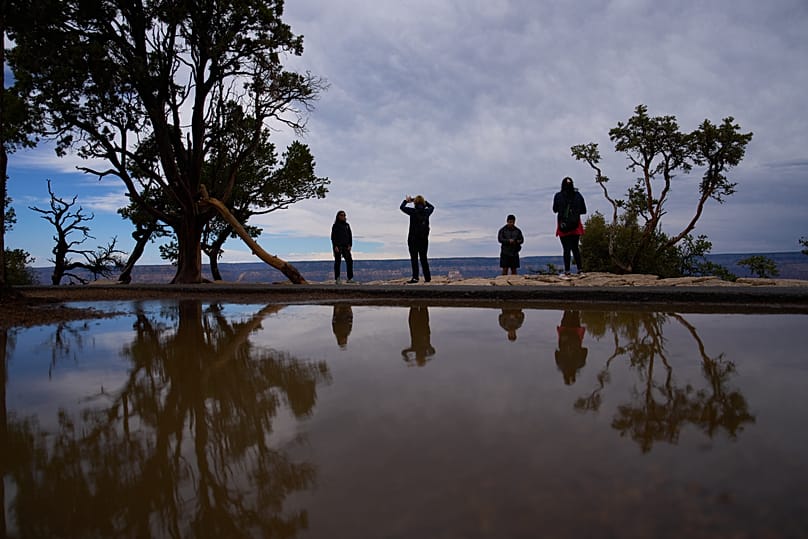
Trails down into the canyon from the South Rim were also passable, but staff were warning of the potential dangers, with sudden squalls possible at any time.
The hike down into the wild belly of the canyon from one popular starting point takes many visitors around four hours, one staff member said, while the return journey would likely add another six.
Flash floods are common in Northern Arizona because the arid, sparsely vegetated environments there have little capacity to absorb rain, the park's website said, urging visitors to be especially cautious from July to mid-September.