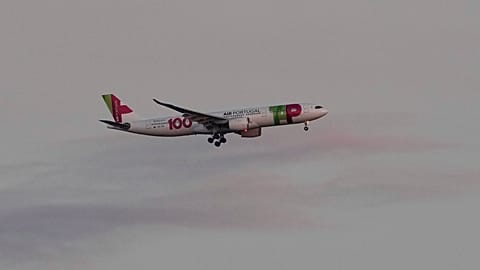
TAP Air Portugal, the Portuguese state-owned airline currently in talks to be sold, posted a net loss of almost €100 million for the first half of the year, despite increasing revenue by 4% and carrying a record number of passengers.
TAP ended the first half of the year with a loss of €99.2 million, a 40% deterioration compared with losses of around €70 million in the same period last year, as rising fuel costs put pressure on the accounts.
 ADVERTISEMENT
ADVERTISEMENT
ADVERTISEMENT
The negative net result came despite the company increasing revenue by 4% and carrying a record number of passengers in the first six months of the year, according to a statement released on Monday by the airline.
TAP carried 8.2 million passengers between January and June, 4.2% more than in the same period of 2025, operating 57,500 flights, up 0.3%.
Ticket revenue rose 4.4% to €1.8 billion, "reflecting the robustness of demand in TAP's strategic markets, particularly in South America and Europe," the company highlighted in the statement. Total operating revenue reached a little over €2 billion, a positive change of 4.3%.
The company's results were, however, constrained by the sharp increase in fuel costs due to the conflict in the Middle East. These costs rose 18.7% over the half year and accelerated in the second quarter, when they jumped 52.3%, the company said.
In this context, recurring EBITDA stood at around €182 million, and recurring EBIT, which already includes depreciation and amortisation, was a negative €83.7 million.
The rise in fuel prices has been one of the main factors putting pressure on airline finances, as the sector is particularly exposed to fluctuations in the price of jet fuel.
In TAP's case, the company says the impact of rising prices was felt immediately in costs, while the measures designed to offset it through revenue have a more gradual effect, given that a significant share of tickets had already been sold before prices went up.
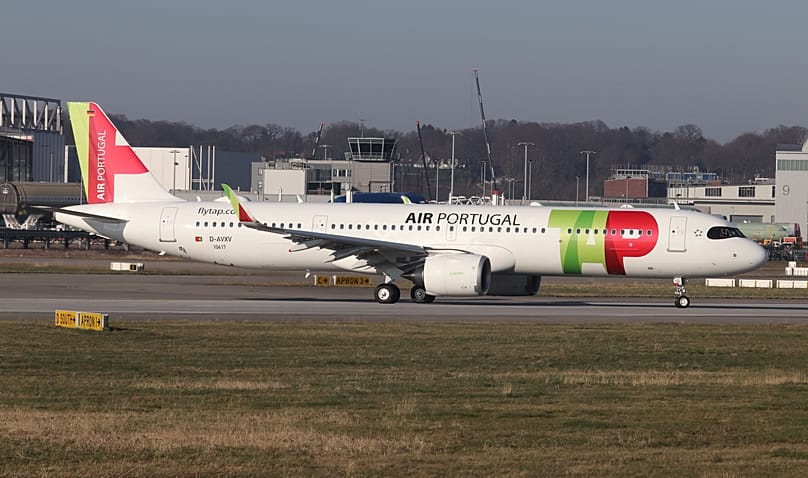
The first-half figures also do not yet reflect the summer months, traditionally the peak season for aviation and the most important period for airlines' revenue generation.
TAP's chief executive, Luís Rodrigues, quoted in the statement, acknowledged that "as expected, the sharp increase in fuel prices, particularly jet fuel, significantly pressured TAP's performance in the second quarter".
"Indeed, this impact was felt immediately on costs, while mitigation measures on the revenue side tend to materialise more gradually, since a large part of second-quarter revenue had already been sold when prices rose", he explained.
For the executive, despite the international backdrop, "TAP maintained resilient performance, with revenue growing in the first half, supported by increased capacity and improved unit revenue."
The half-year was also marked by the completion of the Restructuring Plan and the launch of the new Strategic Plan 2026-2035, recalled Luís Rodrigues, who added that "TAP is now beginning a new chapter."
"We have defined a strategic plan for the next decade, focused on creating sustainable value, the execution of which is being accelerated by the Horizon Programme, our programme for digital acceleration, innovation and continuous improvement," he also said.
The airline's half-year results come at a time when Parpública is preparing this week to deliver to the government, the final report assessing the binding offers submitted on 29 July by the Air France-KLM and Lufthansa groups to buy 44.9% of the company's capital.
The document will enable the government led by Luís Montenegro to analyse the bids and decide who will take control of almost half of the national airline.