




























The appointment came days after Abdi declared the Kurdish-led force dissolved and integrated into the Syrian army, ending a decade of independent existence in a move Washington called "genuine integration".
Mazloum Abdi, who led the Syrian Democratic Forces (SDF) until its dissolution this week, was appointed adviser to Syrian President Ahmad al-Sharaa, Syria's official news agency SANA announced Friday.
 ADVERTISEMENT
ADVERTISEMENT
ADVERTISEMENT
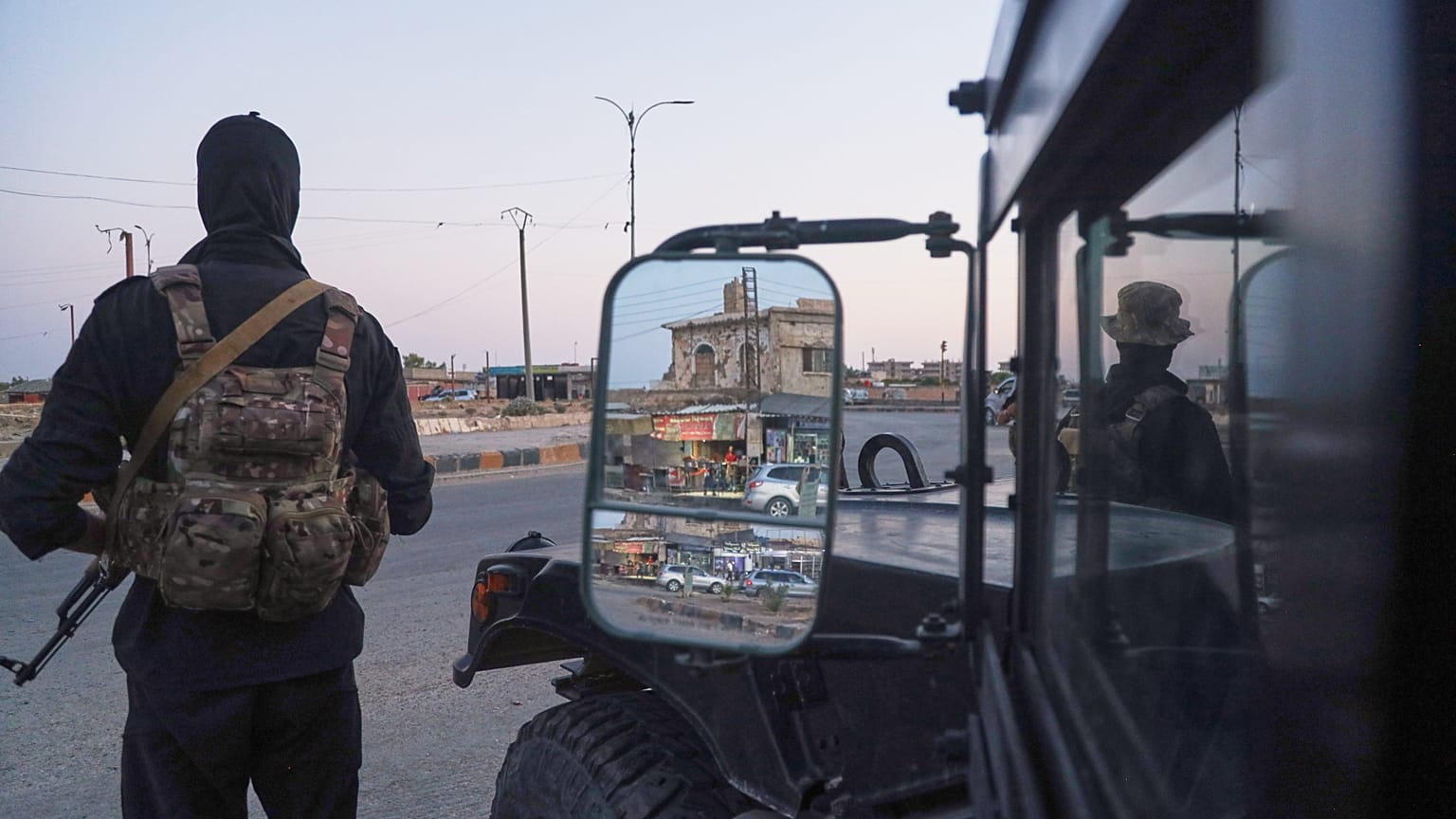
Abdi on Tuesday declared the SDF dissolved and announced the completion of its integration into Syria's armed forces — a process that ended the Kurdish-led force's decade-long existence as an independent military organisation.
US Special Envoy for Syria Tom Barrack described the SDF's dissolution as "genuine integration" and said assigning influential government positions to Kurdish officials, including Abdi, showed respect for Kurdish leadership and the contribution Kurdish forces had made to regional stability.
Who is Mazloum Abdi?
Born Mustafa Khalil Abdi in 1967 in the Kobani region near the Turkish border, Mazloum Abdi studied engineering at Aleppo University and joined the PKK in the early 1990s, eventually rising through its ranks in Iraq and Europe.
He is known by several names, including Mazloum Kobani, Ferhat Abdi Şahin and Mustafa Halil Abdi. Turkey considers him a terrorist and says he is the subject of an Interpol Red Notice.
Syria analyst Nanar Hawach of the International Crisis Group described him as one of the "experienced cadres of the PKK" who founded the People's Protection Units in Syria after the civil war began in 2011.
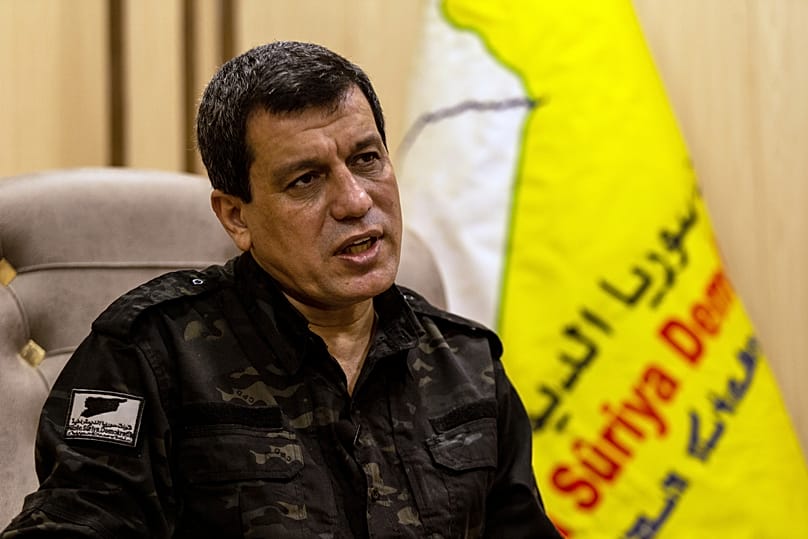
Abdi gained international recognition during the battle for Kobani in 2015, when Kurdish forces defeated the so-called Islamic State Group (IS) after months of fighting.
The victory became a defining moment for Syria's Kurds and the beginning of Abdi's close partnership with Washington, which backed the SDF as its primary ground partner against the IS throughout the Syrian civil war.
He is reported to have been close to Abdullah Öcalan, the imprisoned founder of the PKK, who announced in 2025 that the organisation was abandoning armed struggle.
In 2025, Öcalan, whose isolation conditions had been eased following years of requests by Kurdish politicians in Turkey, called on the PKK to lay down arms and abandon armed struggle.
The PKK formally accepted the call and announced it was disbanding as a fighting force, while Abdi said the move did not apply to the SDF.
Recognition from Damascus
The SDF's dissolution and Abdi's appointment are the culmination of an agreement signed in January 2026, which stipulated that Kurdish military and civilian institutions in northern and northeastern Syria would be brought under central state authority.
On 16 January al-Sharaa signed a decree guaranteeing the national rights of Kurds, recognising Kurdish as a national language, declaring Nowruz an official public holiday and granting citizenship to Kurds previously denied legal status — the first such recognition since Syria gained independence in 1946.
By integrating into the Syrian armed forces, the SDF retained aspects of its internal command structure within those brigades during an initial transitional period, though the long-term arrangements remain subject to ongoing negotiation.
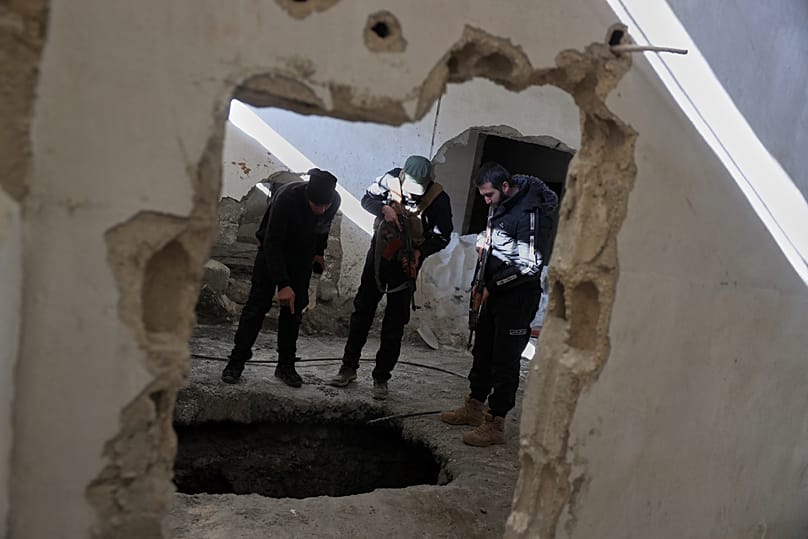
Armed clashes in January in which the SDF lost large swathes of territory to Syrian government forces, and the United States' decision to support the new Damascus leadership, pushed Abdi toward a negotiated settlement.
For al-Sharaa the deal is a significant achievement in his effort to extend state authority across all Syrian territory. For the Kurds it marks the end of their de facto autonomous administration in the northeast.
Abdi said political efforts would continue to ensure Kurdish rights were enshrined in the Syrian constitution. "Our struggle to secure our people's rights in the constitution will continue," he said.
Turkey regards the YPG — the main Kurdish component of the SDF — as the Syrian branch of the PKK, which is designated a terrorist organisation by Turkey, the US, the EU and the UK.
Ankara has conducted multiple military operations against YPG and SDF positions in Syria.
Ankara has pressed al-Sharaa to ensure that Kurdish armed groups are fully disarmed and that the YPG's former military structures do not survive within the Syrian state.