












Campaigners warn the world is approaching an "Oppenheimer moment" over weapons that can choose and attack targets with no human involved.
Diplomats in Geneva, Switzerland, were racing against the clock on Friday after Russia in particular held up five days of gruelling talks over whether to start negotiating rules for lethal autonomous weapons.
 ADVERTISEMENT
The talks, at the United Nations' Review Conference of the Convention on Conventional Weapons (CCW), were due to end on Friday evening. By mid-afternoon, states had still not found a way past the deadlock.
Armies are trying to use artificial intelligence (AI) to identify and strike targets faster and more accurately.
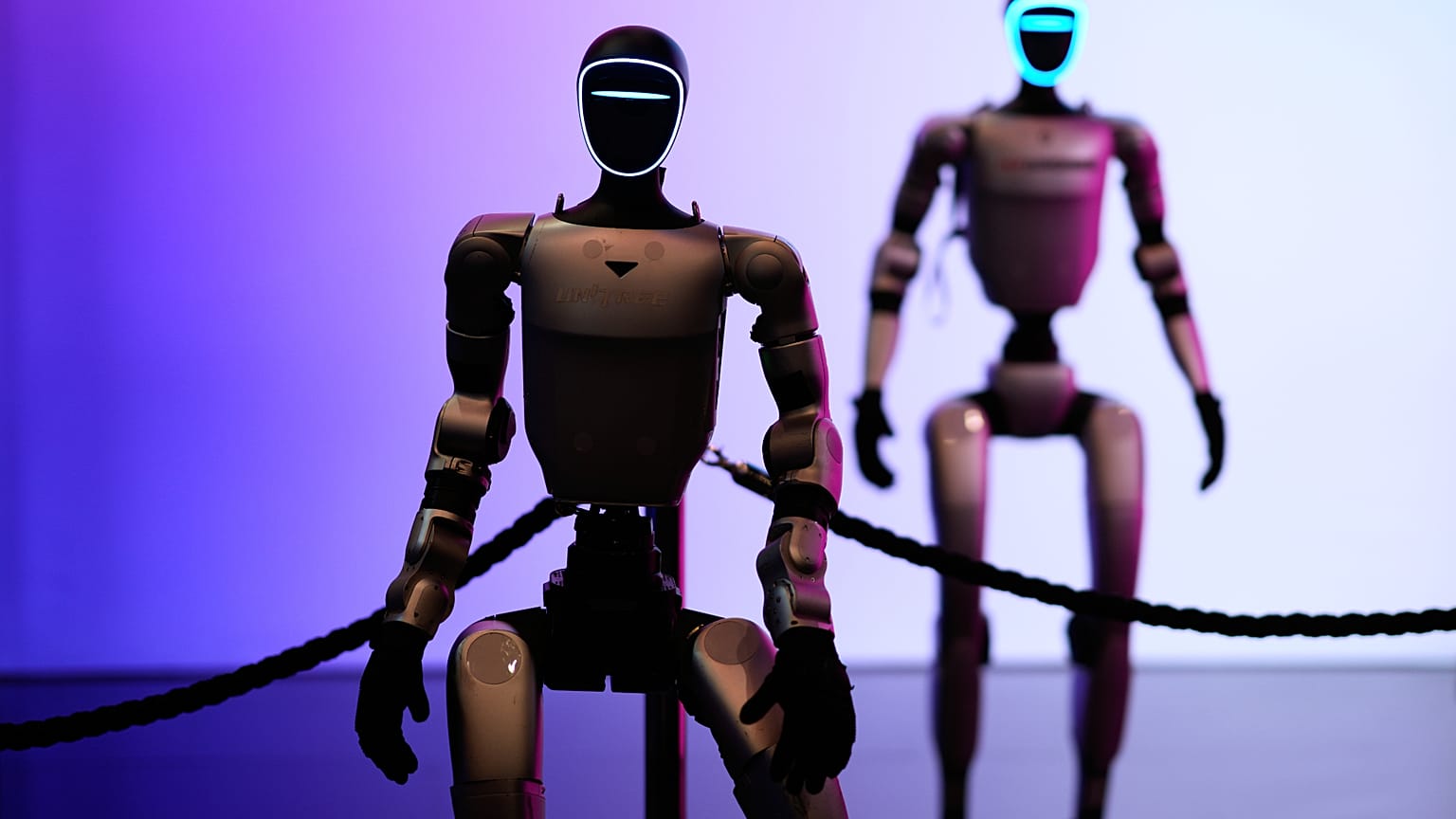
Once activated, lethal autonomous weapons systems (LAWS) can select and attack targets without any human intervention. Stop Killer Robots, a global coalition of more than 300 organisations, says such systems have already been tested or deployed, including in the war in Ukraine.
Critics say the weapons raise the risk of indiscriminate strikes, make it unclear who is accountable, and may not be used in line with the rules of war.
A divided room
The 128 states party to the CCW spent the week deciding whether to open negotiations, and if so on what terms and over what timeline. Any decision needs full consensus.
Most countries favour a legally binding agreement. But countries that have the technology, including the United States and Russia, are reluctant to have their hands tied.
They also disagree on timing. The International Committee of the Red Cross and various non-governmental organisations (NGOs) want negotiations to take one year, while Washington has proposed five years.
France is among those pushing a hybrid of legally binding and non-binding measures.
"On the final day of talks, a minority of states continue to block progress," said Anna Hehir, head of military AI governance at the Future of Life Institute.
Russia in the spotlight
When the conference opened on Monday, Russia triggered a procedural standoff by objecting to observers taking part in the debate, including the European Union and civil society organisations. That forced states to continue their discussions in an informal format.
On Thursday, Russia repeatedly demanded changes to the draft final report, including to passages unrelated to the core issues.
Even so, one diplomat told AFP, speaking anonymously, that the week had brought the camps closer together.
"We're very close to consensus on the need to negotiate something. There is only one delegation that is actively opposing a process that is focused on negotiations."
Oppenheimer moment
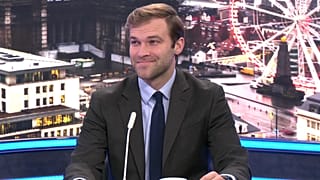
Magnus Lovold, of the Lex International philanthropic fund, said autonomous weapons were reaching an "Oppenheimer moment", a nod to Robert Oppenheimer, the physicist who brought the world into the nuclear age.
"We’re really at the brink now where it may be very much more difficult in the future to actually get these rules that we need," Lovold said on the sidelines of the talks.
UN Secretary-General Antonio Guterres told the conference on Monday to "take action to prevent the use and spread of these merciless weapons".
"We must never stop shielding civilians from the carnage and devastation of armed conflict," Guterres said.
Read more