

















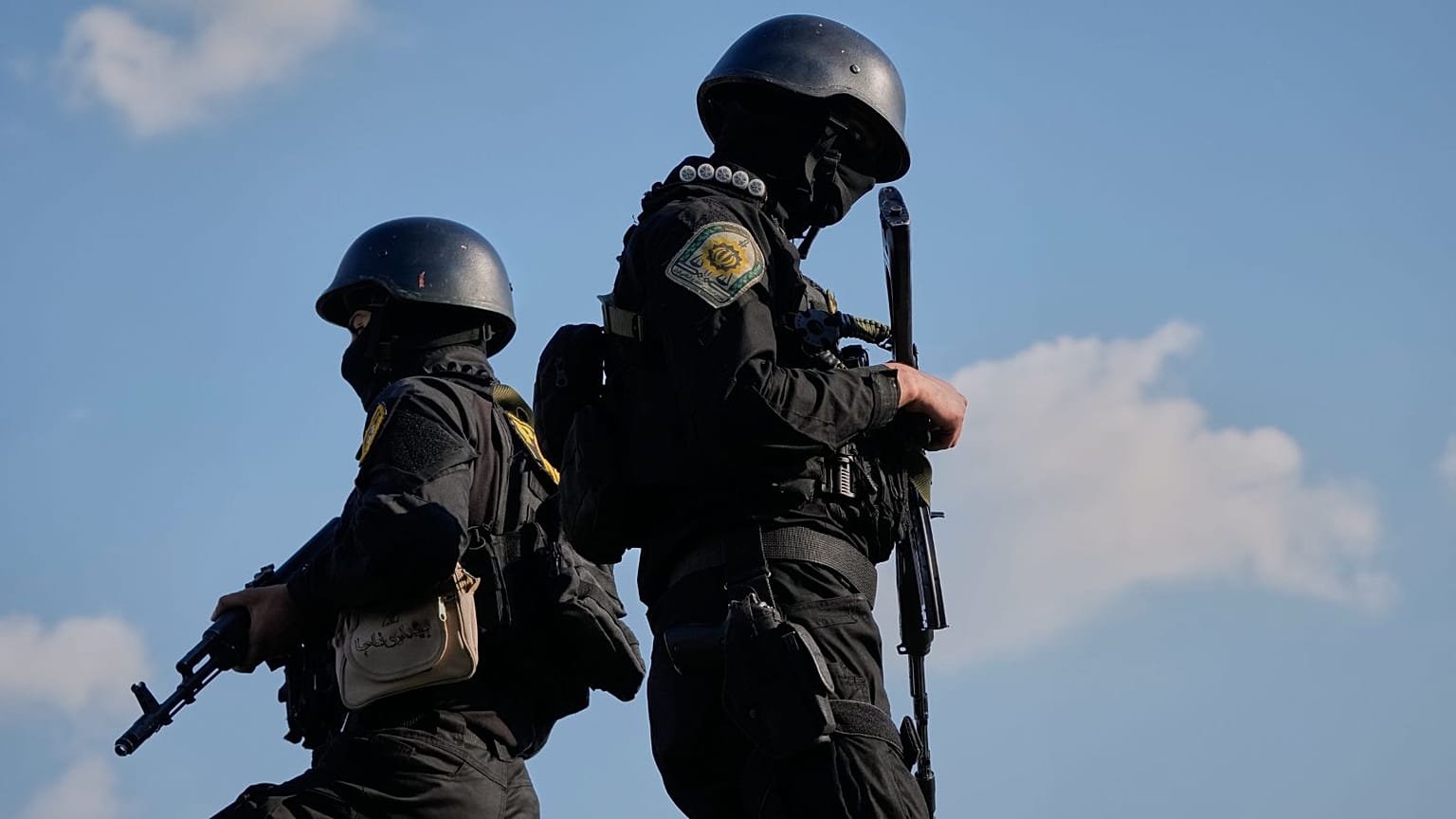













The Abdorrahman Boroumand Center documented 901 executions in the first seven months of 2026, including 56 on political or national security charges and 98 members of ethnic minorities — a further rise in death penalties in the Islamic Republic in recent years.
Iran has executed at least 900 people since the beginning of 2026, including 28 executions carried out in August alone, according to a report released by the Washington-based Abdorrahman Boroumand Center for Human Rights in Iran.
 ADVERTISEMENT
ADVERTISEMENT
ADVERTISEMENT
The rights group documented 901 executions between January and July, highlighting what it described as a sharp increase in the use of capital punishment across cases involving national security, drug-related offences and members of ethnic minorities.
At least 56 people were executed during the seven-month period on political or national security charges, including 29 people linked to public protests, 13 accused of espionage and 14 sentenced on other security-related charges. Drug-related offences accounted for at least 268 executions.
The figures also show a disproportionate impact on ethnic minorities and other vulnerable groups.
Between January and July, at least 98 members of ethnic minorities were executed, including 40 Baluch people, 29 Kurds, 21 Afghans, six Arabs, one Turk and one Turkman.
The report also documented the executions of 16 women and two people who were under the age of 18 at the time of their alleged offences. Five executions were carried out publicly.
Executions were concentrated in several provinces, with Razavi Khorasan recording the highest number at 95, followed by Isfahan with 71 and Alborz with 57.
The latest figures add to growing international concern over the scale of executions in Iran.
In a report to the United Nations General Assembly, Secretary-General António Guterres said at least 975 people were reportedly executed in Iran in 2024, a 17% increase from the previous year and the highest annual figure recorded since 2015.
The report also documented a further sharp rise in the first half of 2025, with at least 612 executions recorded between January and June, or 119% more compared with the same period in 2024.
The UN has repeatedly raised concerns over the use of the death penalty in Iran, particularly in cases involving drug offences, national security charges and ethnic minorities, as well as over fair-trial guarantees and the use of torture-tainted confessions.