






























EU interior ministers will assess at a meeting on Tuesday whether to reintroduce tighter internal border checks across Europe in response to the Ceuta crisis.
EU interior ministers will meet online on Tuesday to discuss a European response to the migration crisis in Ceuta, with options including the reintroduction of internal border controls across Europe and an enhanced role for Frontex, the EU's border agency, during emergency situations.
 ADVERTISEMENT
ADVERTISEMENT
ADVERTISEMENT
The proposals were discussed by EU ambassadors at a preliminary meeting on Monday.
The talks come days after around 60,000 non-EU nationals entered the Spanish enclave of Ceuta from Morocco in 24 hours, the largest irregular border crossing ever recorded in Europe over such a short period.
Most of those who crossed into Ceuta returned to Morocco on the same day, and the situation had returned to relative calm at the time of writing.
Although the enclave is located on the African continent, making it a difficult route for migrants seeking to reach mainland Europe — and despite its special border arrangements — images of the mass crossing sparked strong reactions from European governments.
On Saturday, 22 governments sent a letter led by Italy and Denmark calling for Tuesday's meeting to develop a European response to the event.
"We reiterate our readiness to take any necessary measures, in accordance with Union law and the Schengen Borders Code, to safeguard public order and address risks arising from secondary movements, including through reinforcing or reintroducing temporary internal border controls," the letter reads.
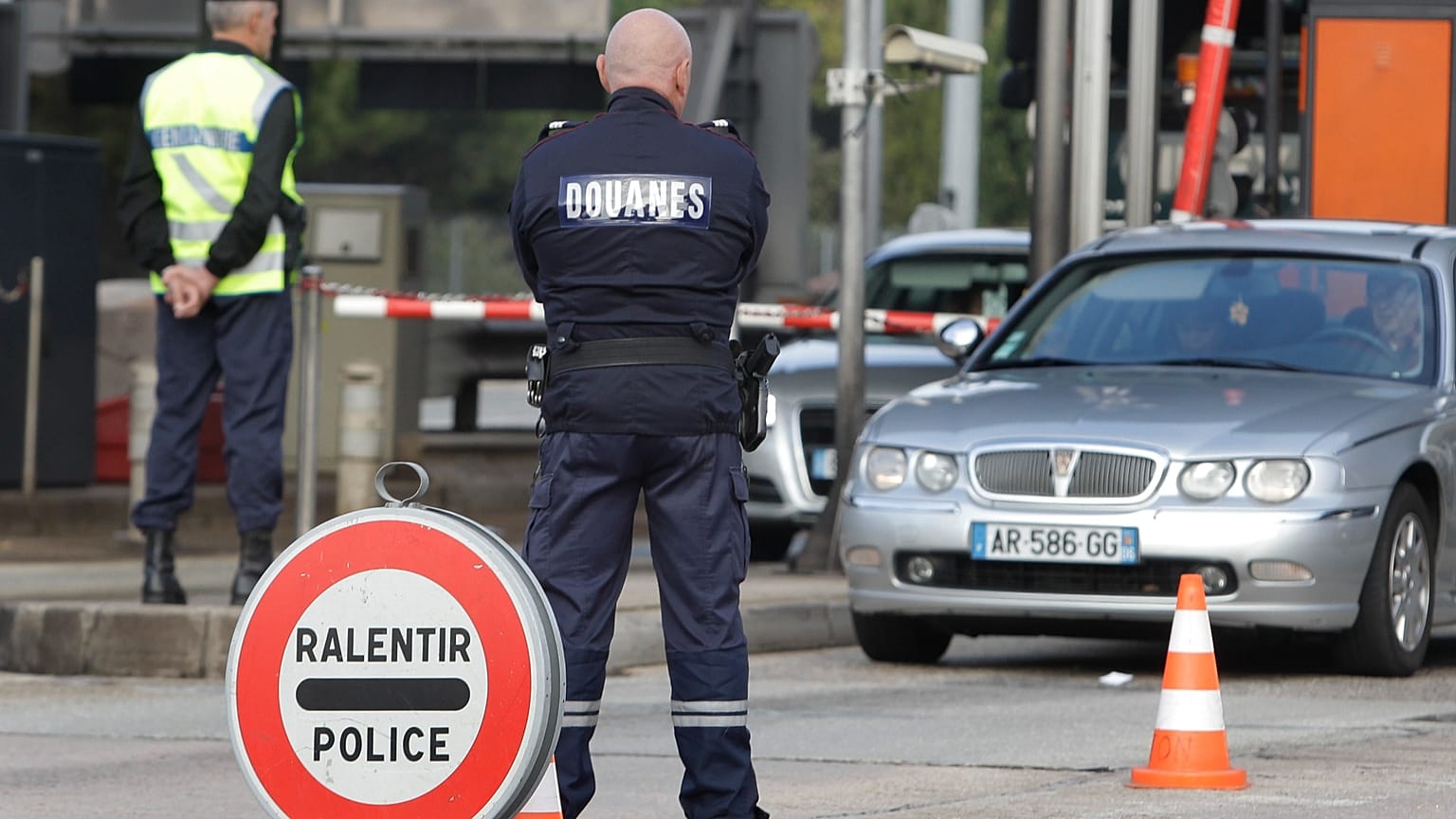
According to the rules, EU countries can unilaterally suspend Schengen rules at their borders for a limited period in response to a security threat. The suspension can initially last for one month and be renewed for up to six months.
In practice, this means increased patrols at border crossing points and a higher number of people being subject to document checks and inspections. However, not everyone is checked, as controls are selective rather than systematic.
The 27 member states can propose to extend these rules to the whole Schengen area. To do so, a qualified majority must be met, which corresponds to at least 15 countries representing 65% of the European population.
The ministers also called for an enhanced role for Frontex in such situations. As an EU agency, Frontex acts at the request of the member state concerned and can provide staff, equipment, expertise and training, among other forms of support.