
















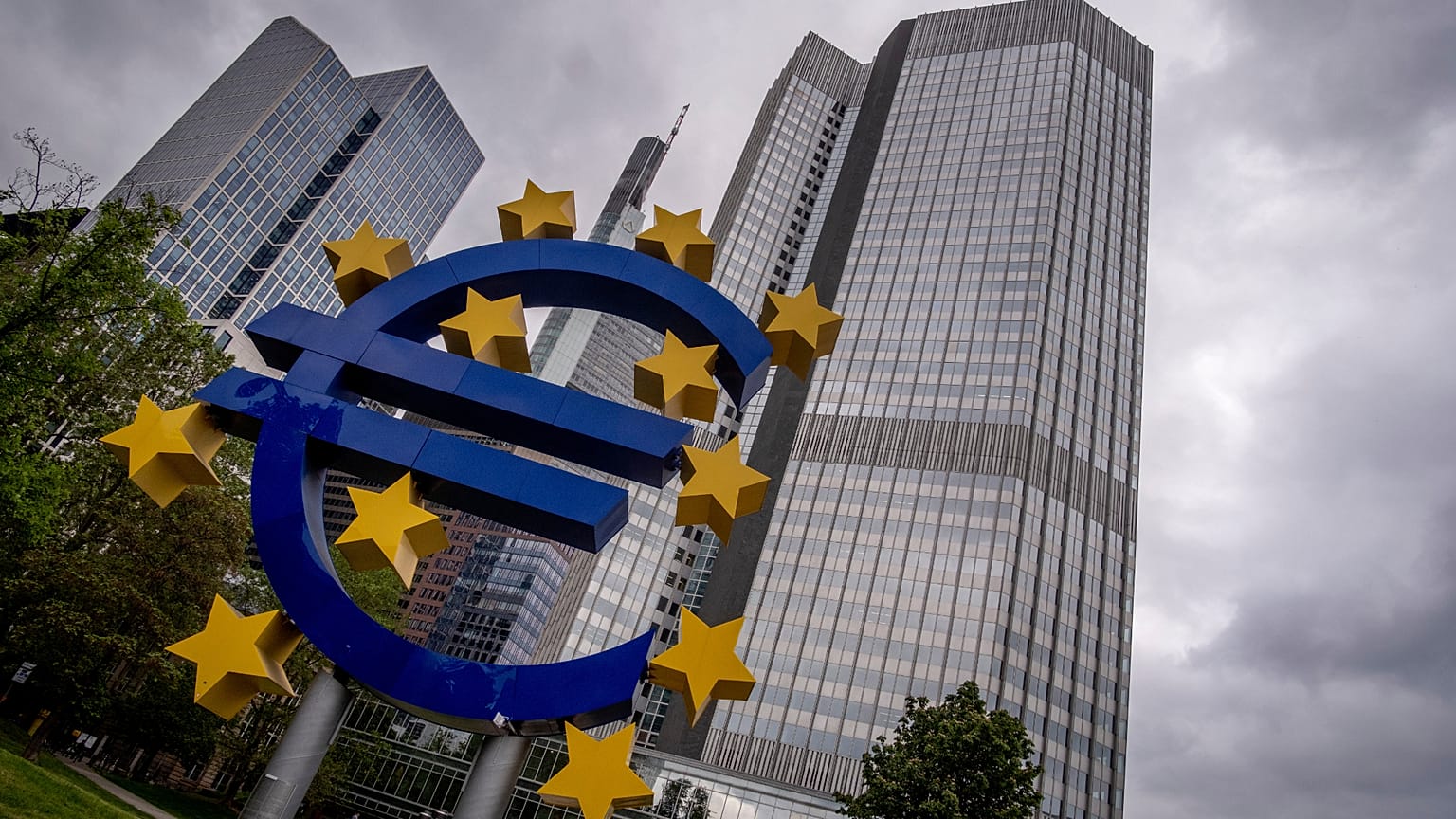













The European Central Bank (ECB) has selected 36 payment service providers to help test the digital euro in a year-long pilot from 2027, marking the latest milestone in the EU's effort to create a digital form of central bank money while reducing reliance on foreign payment networks.
The European Central Bank (ECB) took the digital euro project into its next operational stage on Tuesday by naming 36 payment service providers to help test the future currency in a large-scale pilot programme beginning in the second half of 2027.
 ADVERTISEMENT
ADVERTISEMENT
ADVERTISEMENT
According to the ECB, the participants were selected from more than 50 applicants across the euro area and will work alongside the ECB and 19 of the euro area's national central banks, excluding Bulgaria and Malta, during a 12-month testing exercise.
The pilot is intended to assess the digital euro's technical infrastructure, operational processes and user experience, allowing person-to-person and person-to-business payments to be tested in both online and offline environments, before any decision is taken on issuing the currency.
The announcement moves the digital euro closer to practical testing with consumers, merchants and payment providers, making it one of the project's most significant milestones since the ECB launched its preparation phase in late 2023.
The selected providers include traditional banks, digital banks and payment companies, with several of Europe's largest financial institutions among those taking part, including Deutsche Bank, UniCredit, Revolut, Adyen and Stripe.
ECB Executive Board member Piero Cipollone said the level of interest demonstrated that the payments industry was ready to help shape the project's next phase.
"The strong market interest in the pilot shows the private sector's readiness to engage actively and quickly advance with the digital euro project to strengthen the European payments landscape," Cipollone stated.
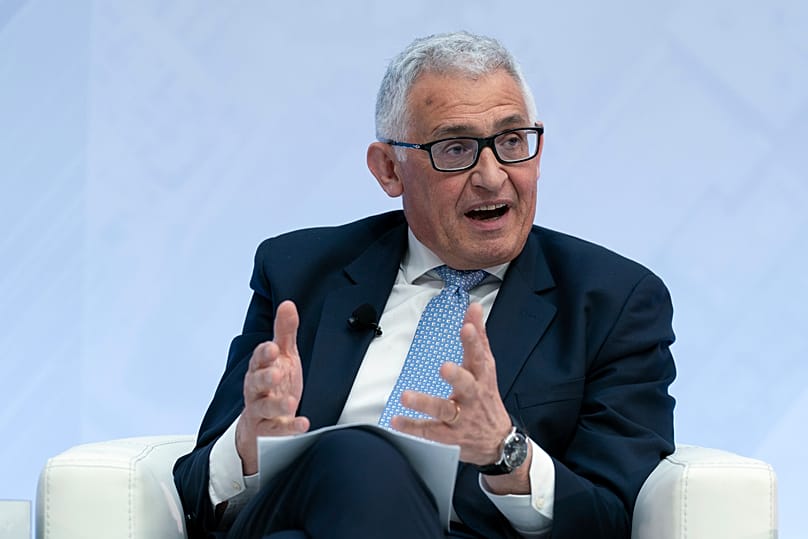
"We look forward to deeper engagement as we work with and learn alongside European payment service providers in developing a secure, efficient and inclusive digital euro," Cipollone concluded.
Legislative approval remains the decisive milestone
The pilot comes as negotiations continue between the European Parliament, the Council and the European Commission on legislation that would establish the legal basis for a digital euro.
The ECB has consistently maintained that it cannot issue the currency unless the legislation is adopted by EU lawmakers.
Current planning foresees formal approval in 2027, followed by completion of the pilot and a possible public launch in 2029, although those timelines remain dependent on the legislative process.
The digital euro would be available free of charge to consumers through supervised payment providers and the ECB has repeatedly sought to counter concerns that it could lead to the disappearance of physical money or weaken privacy protections.
In the current plan for the launch, the digital euro would not pay interest and holdings would likely be capped to avoid significant outflows from commercial bank deposits.
Speaking to Euronews exclusively last week, ECB President Christine Lagarde welcomed the European Parliament's decision to begin negotiations on the legislation and reiterated that the digital euro is intended to complement, rather than replace, cash.
"Cash and the digital euro will both be legal tender, which means that nowhere in Europe can someone say, 'Sorry, I'm not taking your banknotes'," Lagarde told The Europe Conversation with Maria Tadeo, reaffirming that cash would remain a permanent feature of Europe's monetary system.
The digital euro is also designed to reduce Europe's dependence on international payment providers and strengthen the bloc's strategic autonomy in payments.
Lagarde told Euronews that the project is about reinforcing Europe's economic sovereignty as much as modernising payments, pointing to the bloc's continued reliance on foreign-owned payment networks.
"We depend predominantly on US, but also sometimes Chinese, networks to organise payments. We need to have a European solution because we want to be sovereign at home," Lagarde stated.