
















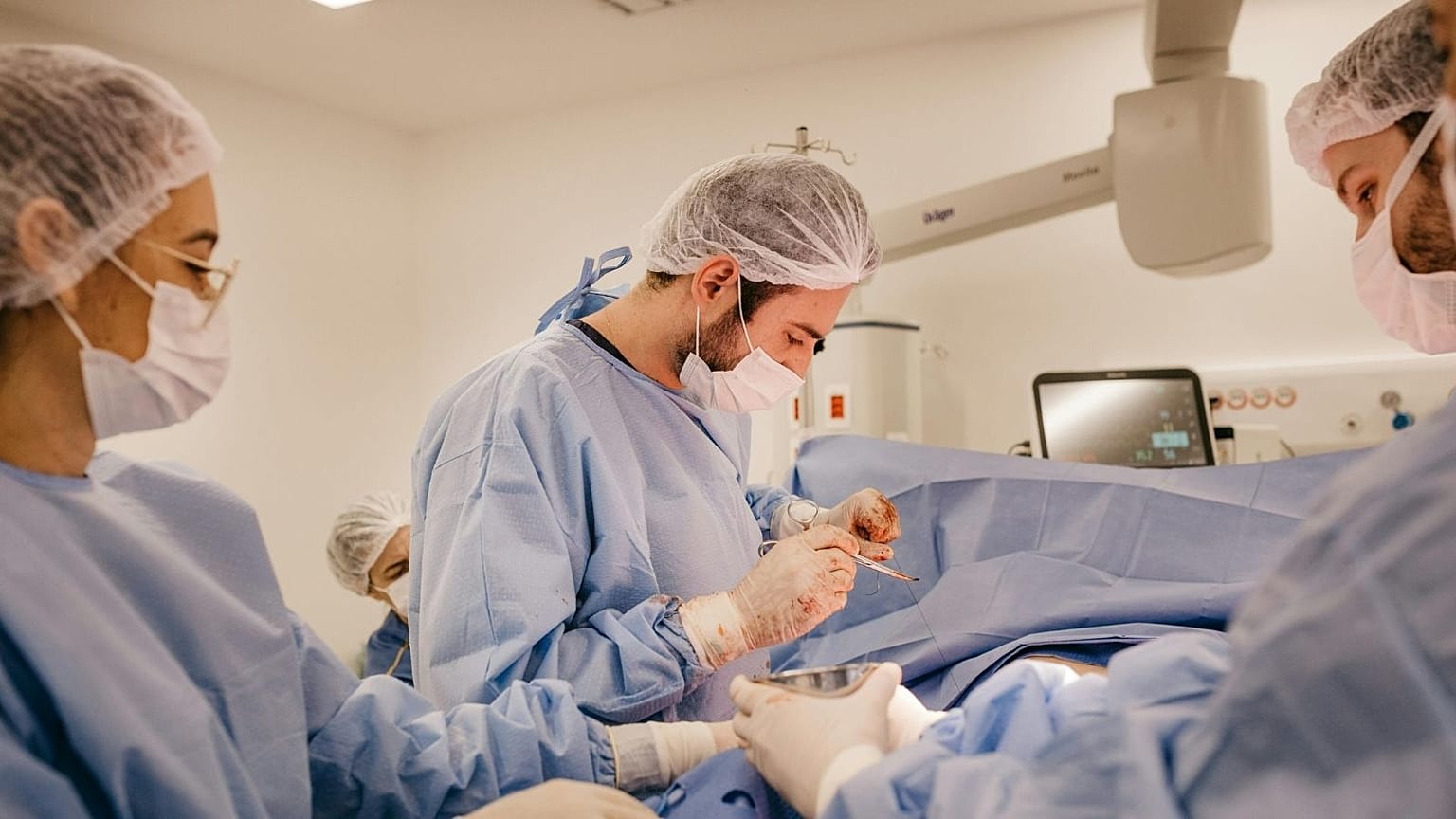













A new report warns the world is heading towards a cancer care crisis, with cases sharply rising and the workforce failing to keep pace.
The world will need nearly 100 million more cancer workers by 2050, a new study warns.
 ADVERTISEMENT
ADVERTISEMENT
ADVERTISEMENT
The largest gaps will be among nurses and diagnostic specialists, particularly radiologists and pathologists, with Africa and Asia set to be the hardest hit.
The report, published by The Lancet Oncology Commission and presented at the 2026 American Society of Clinical Oncology annual meeting, warned that a shortage of well-trained personnel to deliver cancer care and conduct research remains a major obstacle to reducing global disparities.
All countries are affected by shortages
Based on current trends, the study projects a shortage of 99.9 million cancer workers by 2050. This encompasses individuals involved in research, regulatory and financial support systems, as well as the communities that benefit from and contribute to research.
These deficits will be especially acute in Africa and Asia, with 34.3 million and 57.3 million workers missing, respectively.
Researchers warn, however, that no region will be spared. In low- and middle-income countries, scarcity is mostly driven by brain drain or the migration of skilled workers abroad.
In high-income countries, on the other hand, health systems are instead strained due to burnout, depression and budget cuts.
By type of worker, the most affected will be primary and generalist care: more than 65 million additional nurses will be needed by 2050, alongside 16 million extra diagnostic specialists in radiology and pathology.
“Our global initiative brings a clear warning: without urgent action to address critical workforce shortages, we risk a cancer crisis unlike anything we’ve seen before,” said the Commission’s co-lead, Dr Hedvig Hricak, of Memorial Sloan Kettering Cancer Center in New York.
“We call for immediate, country-specific strategies, smarter workforce use, task-shifting and AI/digital health adoption, alongside future-ready education and strong, sustainable financing through public–private partnerships.”
Workforce shortages, the authors caution, not only delay care to current patients but also hinder future research.
“Advances in cancer research globally require a workforce that can generate ideas, design studies, lead teams and translate findings into robust cancer control practices and policies,” they wrote.
Cancer cases are rising worldwide
Cancer is considered a silent pandemic, the authors wrote; cases are estimated to reach 35.3 million in 2050 — up from 20 million in 2022 — with 18.5 million deaths projected each year worldwide.
Using the Global Cancer Workforce microsimulation model, which accounts for demographic, epidemiological and health system factors related to cancer incidence and survival, the researchers modelled the current and future global landscape of 17 common cancers and 18 workforce personnel types in 200 countries and territories from 2030 to 2050.
“These findings are sobering; the predicted 35 million rise in cancer cases each year globally is in sharp contrast to the projected global shortfall of 100 million cancer care workers by 2050,” said Mark Lawler from Queen’s University Belfast and Commission, a co-author of the study, at the report launch.
“Make no mistake; this is a wake-up call, no matter where you are in the world. What we’ve uncovered is shocking — how can we reconcile a 15 million increase in cancer cases diagnosed with a 100 million decrease in cancer staffing? The data unfortunately, [does] not lie. We can’t wait until 2050 to see if our projections are correct — we must act now.”
Approximately 70% of newly diagnosed cancer cases will occur in low-income and middle-income countries — the regions that will suffer most from workforce shortages.
Across the cancer types included in the model, the global diagnosed incidence rate is projected to rise from 165 per 100,000 people in 2025 to 200 per 100,000 people in 2050.
Increases are expected across all geographic regions and cancer types, with the exception of stomach cancer. Lung, breast, colorectal and prostate cancers are projected to remain the most commonly diagnosed cancers globally.
“Understanding trends in cancer incidence, survival, and workforce — and how they vary by context or geography — is essential for effective cancer control planning and resource allocation,” the authors wrote.