

















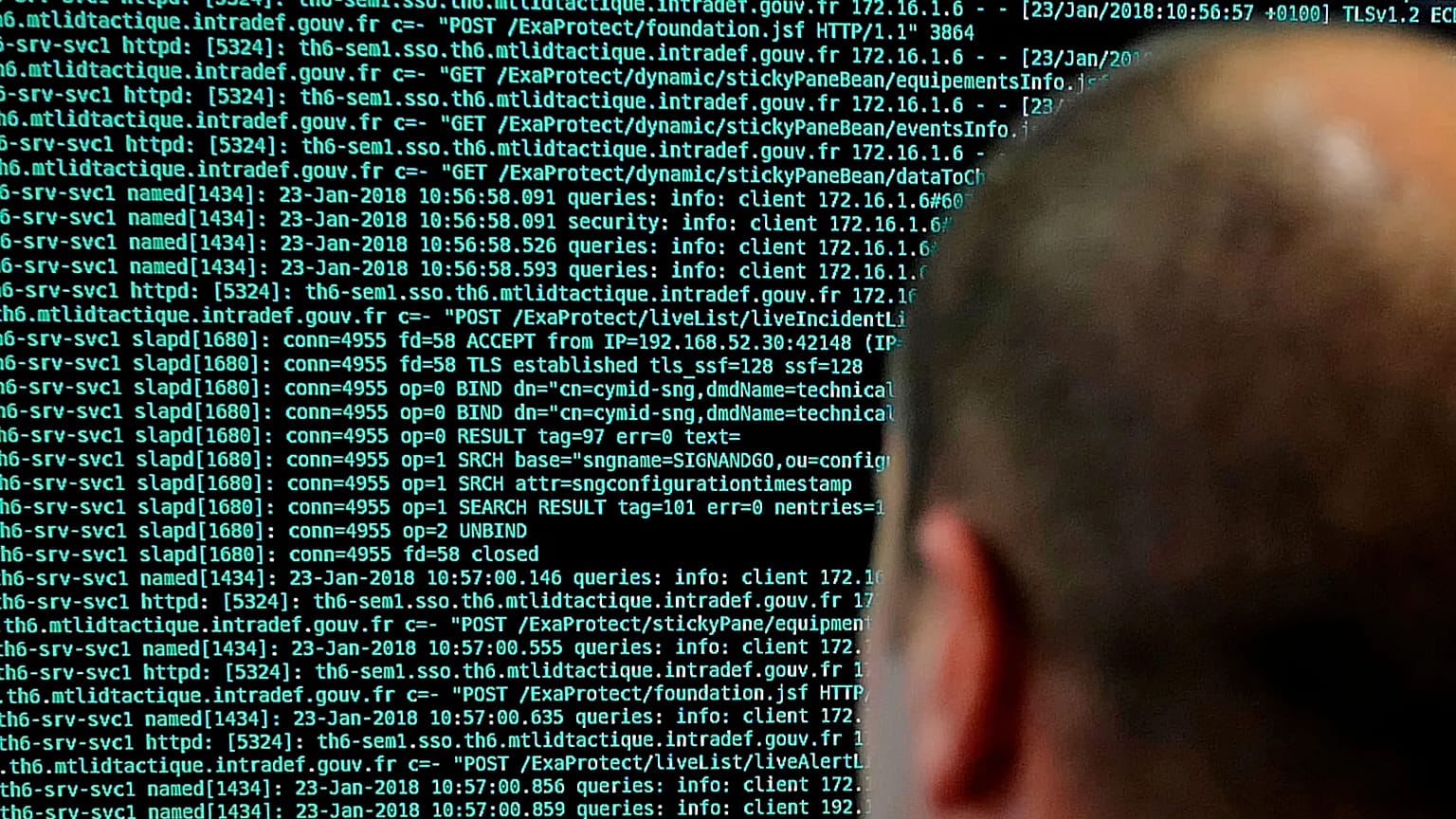













In 2025, around 334,000 cases of cybercrime were registered in Germany, two-thirds of them from abroad or unknown locations, with many more cases thought to be unreported.
Germany said on Tuesday that it plans to develop "active cyberdefence" to hit back against a sharp rise in online attacks, many made more dangerous by artificial intelligence.
 ADVERTISEMENT
ADVERTISEMENT
ADVERTISEMENT
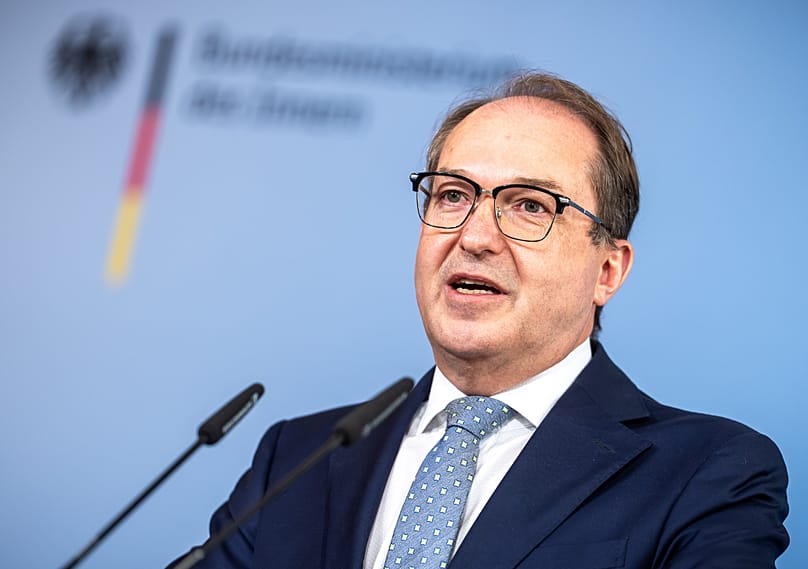
Interior Minister Alexander Dobrindt said he would push a new law through cabinet this month to allow security services to retaliate against servers used in attacks.
The goal was to "disrupt and destroy the attackers' infrastructure," he told a press conference in Berlin, saying many attacks originated from Russia.
"This means ensuring that someone attacking us from a server system, for example, to attack an energy company in Germany from abroad, will no longer be able to do so in future with that infrastructure, that server, that software or those facilities."
Serious cybercrime and attacks on German companies, government agencies and critical infrastructure are on the rise, causing more than €200 billion of economic damage last year, his ministry said.
"AI-based tools are becoming increasingly important in the field of cybercrime," it said, as these allowed criminals "to carry out attacks faster, more precisely and more professionally."
In 2025, around 334,000 cases of cybercrime were registered in Germany, two-thirds of them from abroad or unknown locations, with many more cases thought to be unreported.
"That's why we want to expand our active cyberdefence capabilities," Dobrindt said.
Among the main online threats, he said, "we've seen a significant increase in activism originating from Russia" since it launched its full-scale invasion of Ukraine in 2022.
Last year, more than 1,000 ransomware attacks were reported in Germany, a rise of 10% on the previous year, with attackers extorting more than $15 million (€12 million), said the ministry.
The number of denial-of-service attacks was up 25% at 36,706 cases.
The head of German financial regulator BaFin, Mark Branson, also issued a warning about AI-enabled cyberattacks and said the agency was strengthening its supervision of cyber risks to financial firms.
"The new AI models can identify and even exploit many vulnerabilities in IT systems with remarkable speed," Branson said, urging companies to "patch these vulnerabilities far more quickly."
He said that "cybersecurity is an urgent and essential investment."