















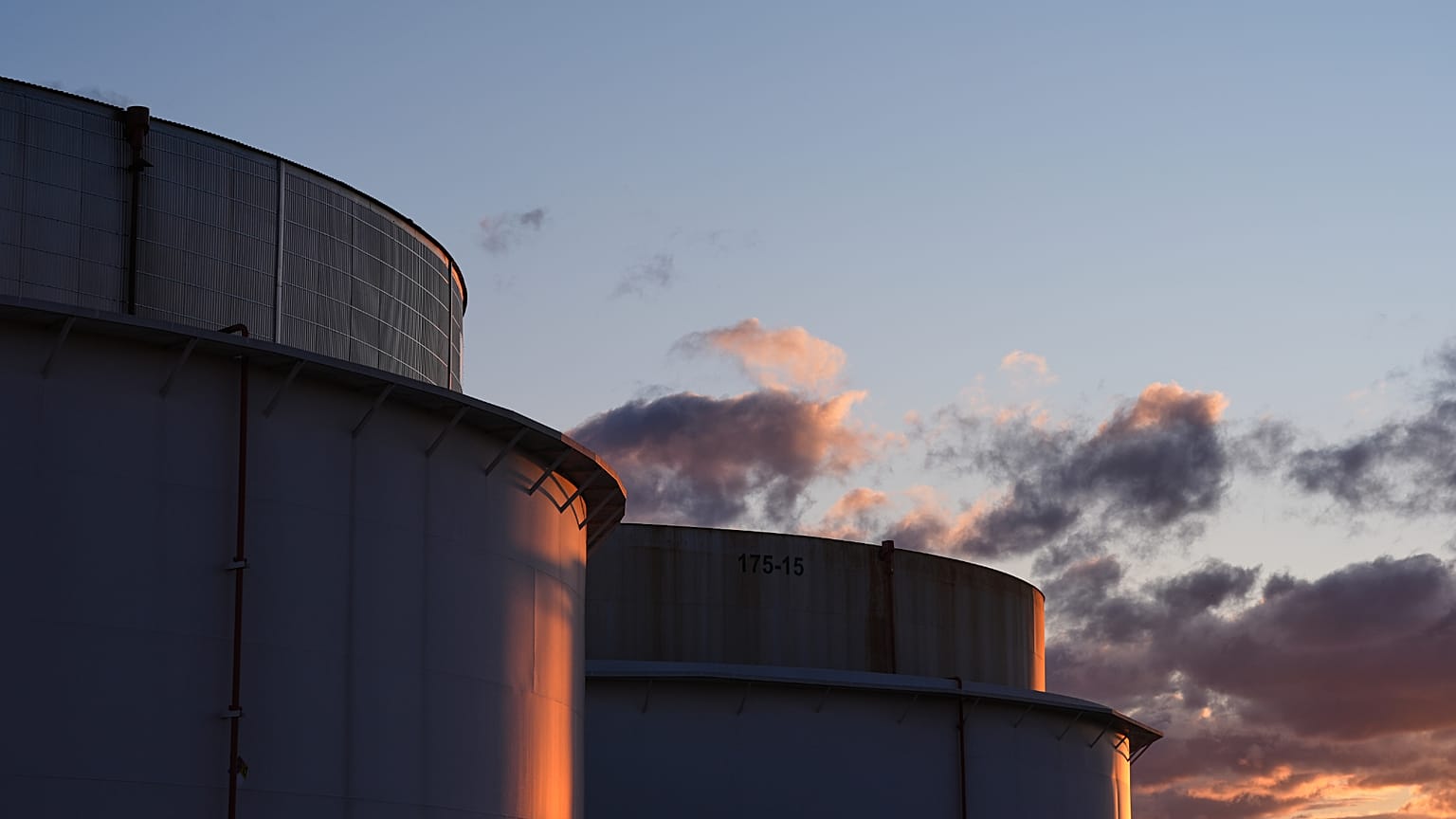














As the prospect of de-escalation in the Iran war remains uncertain, oil prices are rising, with the international benchmark Brent trading above $106 a barrel on Thursday morning.
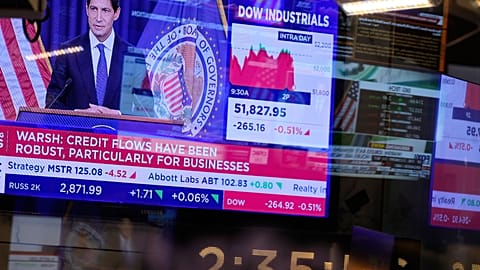
After a cheerful day across European stock markets on Wednesday, with key indices gaining between 1.3% and 1.6%, Thursday saw stock markets sober up.
 ADVERTISEMENT
ADVERTISEMENT
ADVERTISEMENT
Leading European indices opened with losses of between 0.4% and 0.8%, following a sell-off in Asian markets, amid conflicting statements from Iran and Washington over the progress of diplomatic efforts to end the war.
“Investors have eagerly awaited a ceasefire in the Middle East this week but once again there are mixed messages from the US and Iran, leaving markets confused," said Dan Coatsworth, head of markets at AJ Bell.
"Momentum has been lost across the main European stock indices and oil has edged higher, meaning it’s still a waiting game,” he continued.
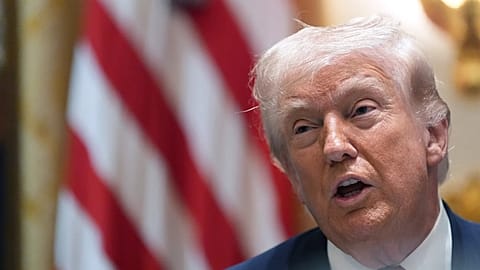
US President Donald Trump said a deal to end the Iran war is near, even after Tehran dismissed his 15-point ceasefire plan and with thousands of troops on the way to the Middle East, potentially for deployment in Iran.
Tehran put forward its own proposals, even as its military fired missiles at Israel.
Iran, which has effectively closed the crucial Strait of Hormuz, sought to formalise its control over the waterway and impose fees on ships wishing to transit it unscathed.
European stock indices saw their losses extend as the session progressed on Thursday.
The FTSE in London was down 0.8%, the CAC 40 in Paris lost nearly 0.7%, and the DAX in Frankfurt was trading 1.2% lower nearly an hour after opening.
Oil prices in limbo
Oil prices gained again, with Brent crude, the international benchmark, rising about 4% by 10 a.m. CET to trade above $106 a barrel, while US WTI crude was 4% higher at around $94 a barrel.
This comes as the Strait of Hormuz remains largely blocked by Iran. Meanwhile, Iranian media reported that Tehran is working on a bill to impose fees on ships in the strait.
The Fars and Tasnim news agencies, both close to Iran’s Revolutionary Guard, quoted lawmaker Mohammadreza Rezaei Kouchi as saying that “parliament is pursuing a plan to formally codify Iran’s sovereignty, control and oversight over the Strait of Hormuz, while also creating a source of revenue through the collection of fees”.
The Strait of Hormuz, the narrow mouth of the Persian Gulf, is considered an international waterway open to all shipping.
Imposing fees would end that and would likely be strongly opposed by the Gulf Arab states, the United States and others.
Meanwhile, Bloomberg reported, citing sources close to the matter, that the US administration is examining how a potential $200 oil price would impact the US economy, in an effort to model extreme scenarios.
Stock markets and currencies are losing ground
In other news, Asian stock indices closed with losses on Thursday. Tokyo’s Nikkei 225 was down 0.8%, South Korea’s Kospi lost 3.3%, and Hong Kong’s Hang Seng fell 1.9%.
Gold prices were also on a downward trend once again, after significant losses in previous sessions following the weekend.
The price per ounce was down more than 2.7% at around $4,430 in European morning trading.
Cryptocurrencies were also declining across the board, with prices down between 1.3% and 4%. The CoinDesk Bitcoin Price Index was down 1.3% at $69,896 in European morning trading.
In currency trading, the US dollar was up against the euro and the British pound, with the euro trading at $1.1558 and the pound at $1.3351. The yen held steady against the greenback at around ¥159.46.