




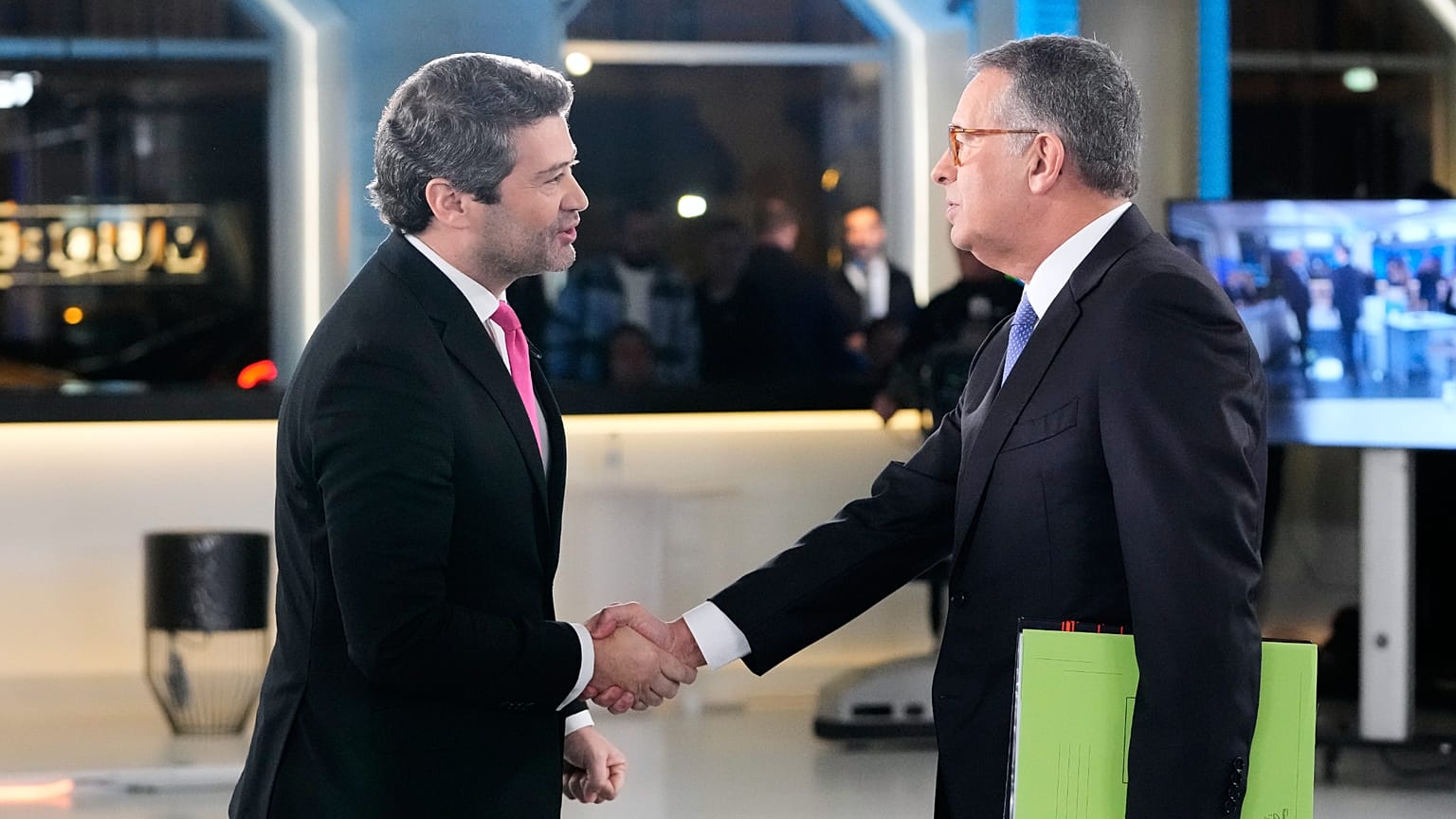














Socialist candidate António José Seguro is the favourite to defeat far-right populist André Ventura in the second round of Portugal's presidential election, in a vote overshadowed by a series of heavy storms that hit the country.
Portugal began voting in the second round of its presidential election on Sunday, as the country chooses between centre-left Socialist (PS) candidate António José Seguro and leader of the far-right Chega (Enough) party, André Ventura.
 ADVERTISEMENT
ADVERTISEMENT
ADVERTISEMENT
11 million people in Portugal and abroad are eligible to cast their ballots, with the first exit polls expected at around 8 pm local time (9 pm CET)
António José Seguro is a expected to beat Andre Ventura, whose Chega party was created in 2019 and is now the largest opposition force in parliament.
Seguro won 31.1% of the vote and Ventura 23.52%. Neither candidate won the 50% voting share needed to win in the first round, resulting in today's runoff.
Second round needed for the first time in 40 years
In 1986, the leader of the Socialist Party Mário Soares beat conservative right-wing CDS leader Diogo Freitas do Amaral. Soares won 51.18% of the vote (3,010,756 votes), while do Amaral took a 48.82% share (2,872,064 votes). That election was particularly notable due to the dramatic turnaround between the first and second rounds.
In the first round, held on 26 January 1986, Freitas do Amaral won a substantial 46.31% of the vote, while Soares only received 25.43%. In the second round, Freitas do Amaral was the favourite, with everything pointing to the election of a right-wing conservative president. Mário Soares nevertheless managed to unite the left and mount a historic electoral comeback.
Political change in Portugal is already underway
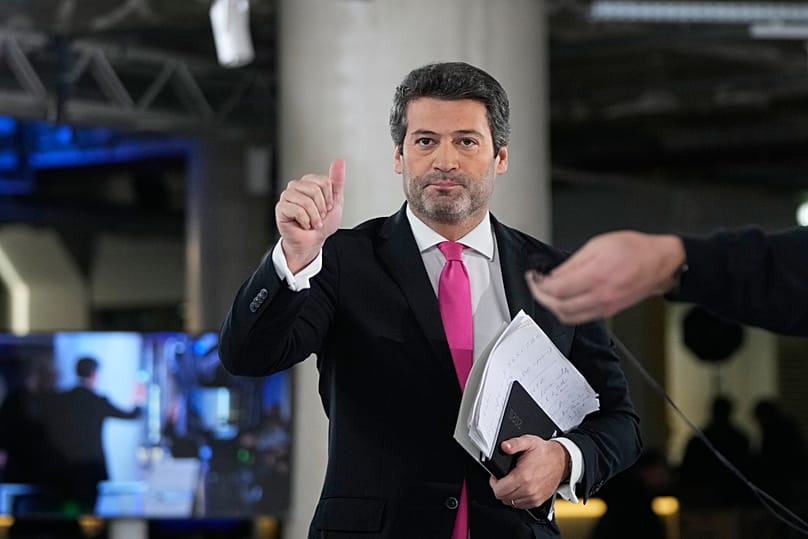
40 years on from that election, the political landscape in Portugal is changing yet again. André Ventura's strong showing in the first round was another milestone in Europe’s shift to the far-right, as populist parties have got their hands on, or edged closer to, the levers of power in recent years.
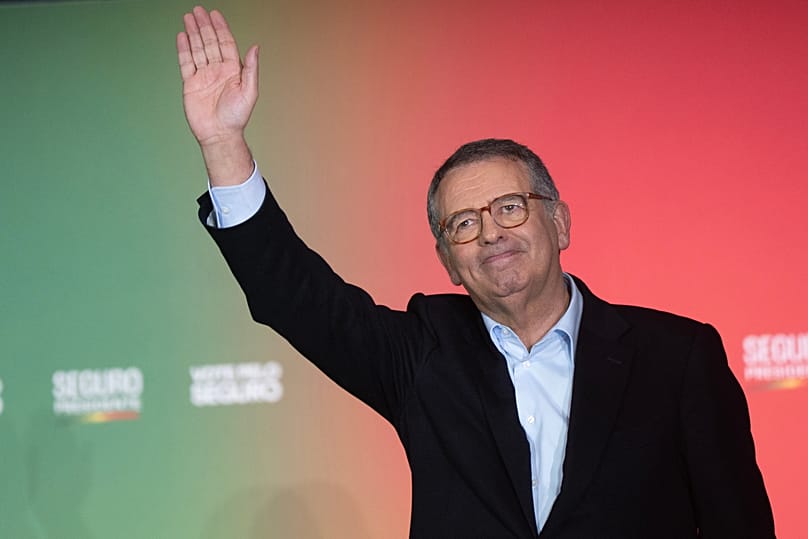
António José Seguro, a long-time socialist, has presented himself as a moderate candidate who will bring stability to democratic institutions while cooperating with the current centre-right minority government.
Portuguese president has a largely symbolic role
In Portugal, the president's role is largely symbolic and holds no executive power.
While traditionally acting as a head of state, the Portuguese president operates above the political fray, with much of the job comprising of mediating disputes and defusing tensions.
However, the president is an influential voice and possesses some powerful tools, being able to veto legislation from parliament, although the veto can be overturned. The head of state also possesses what in Portuguese political jargon is called an “atomic bomb,” the power to dissolve parliament and call early elections.
In May, Portugal held its third general election in three years in the country's worst bout of political instability for decades, and steadying the ship is a key challenge for the next president.
In March, the winner will replace centre-right president Marcelo Rebelo de Sousa who has served two five-year terms.