




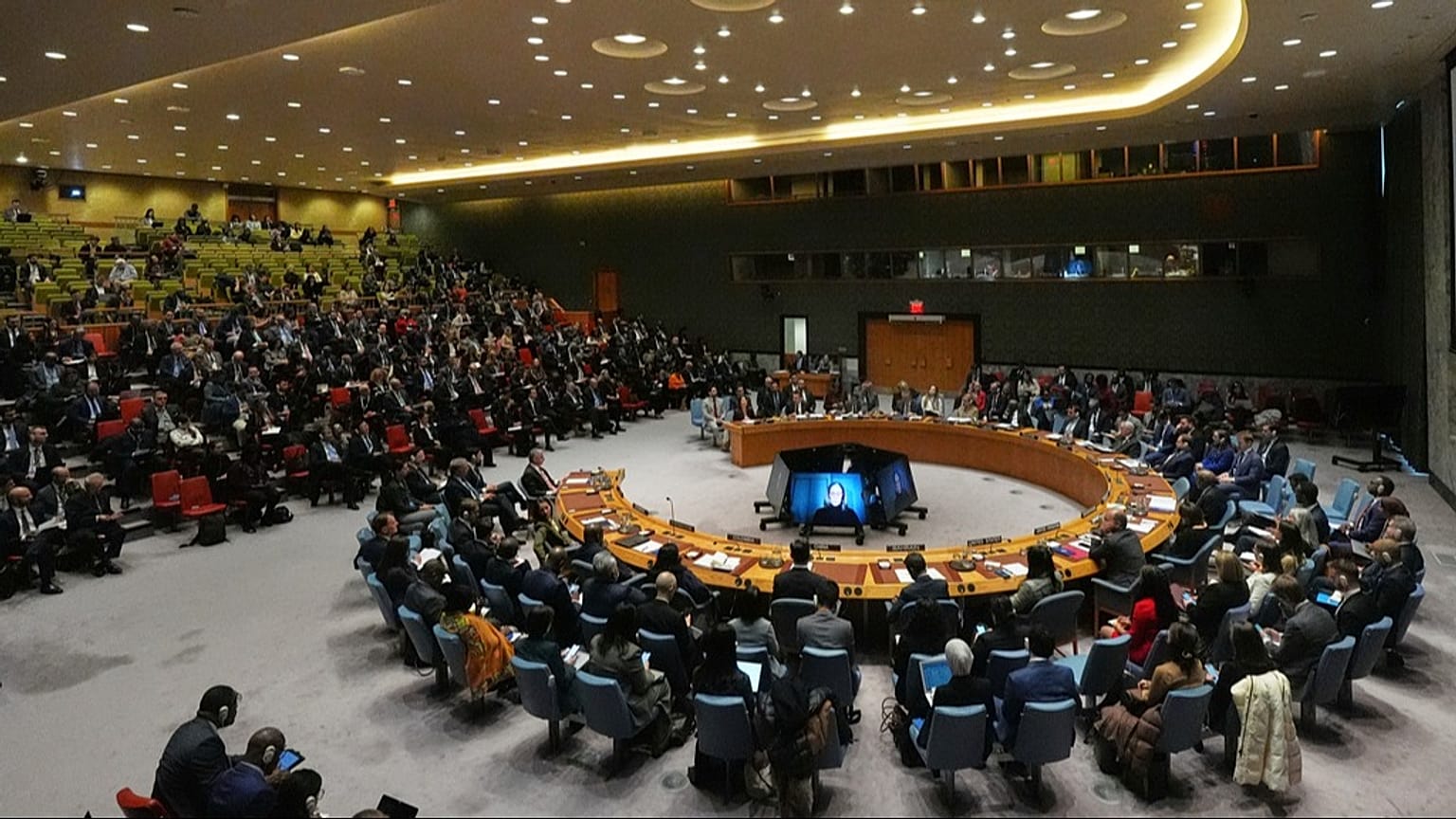














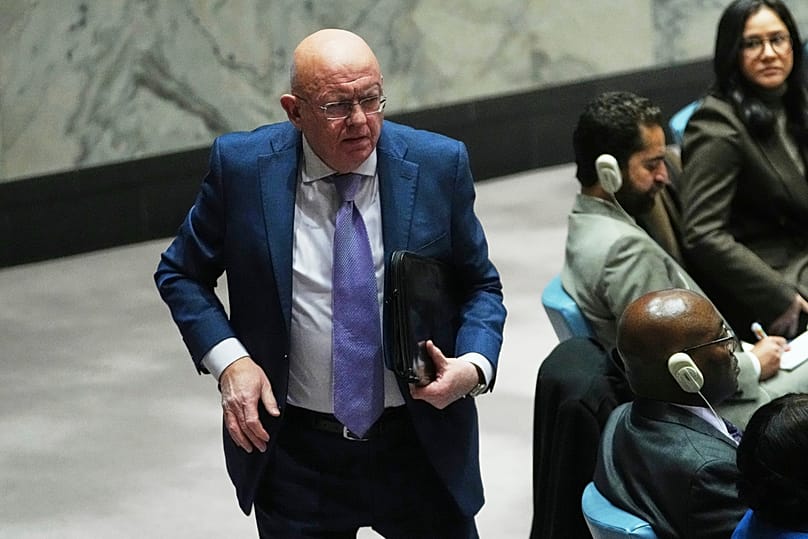
Several countries voiced their objection to the US’ dramatic military operation in Venezuela on Saturday which secured Nicolas Maduro's capture in an emergency UN Security Council session on Monday.
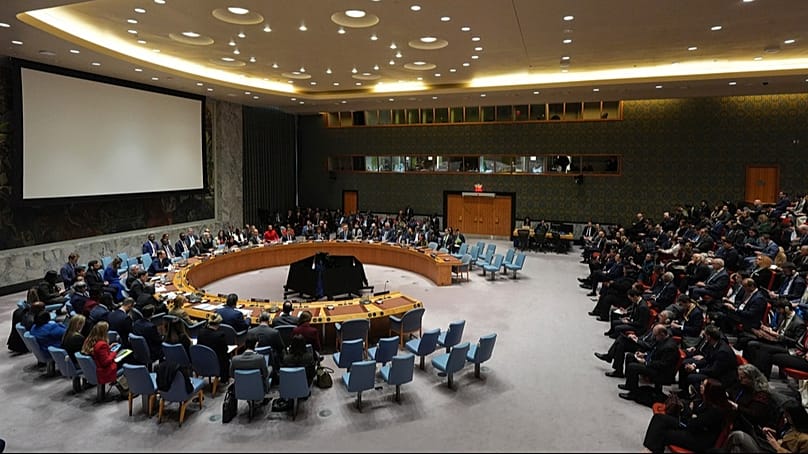
An emergency UN Security Council meeting was held on Monday to debate Washington’s stunning military operation in Venezuela on Saturday, which resulted in the capture of Nicolás Maduro and his wife Cilia Flores.
 ADVERTISEMENT
ADVERTISEMENT
ADVERTISEMENT
Countries voiced their objection to US President Donald Trump’s intervention in Caracas before the UN’s top international security body.
They also slammed his recent comments signalling the possibility of expanding military action to other South American countries, including Mexico and Colombia, over drug-trafficking accusations.
Following Saturday’s dramatic operation in Venezuela, Trump also reiterated his interest in taking over the Danish territory of Greenland, citing US security concerns and prompting an angry reaction from Copenhagen and Nuuk.
Denmark, which has jurisdiction over the mineral-rich island, strongly denounced US plans to take over Greenland without naming its NATO ally.
“The inviolability of borders is not up for negotiation,” said Christina Markus Lassen, Danish ambassador to the UN.
On the subject of the operation in Caracas, Lassen said that “no state should seek to influence political outcomes in Venezuela through the use of threat of force or through other means inconsistent with international law.”
While French President Emmanuel Macron had earlier been generally positive about Maduro's capture, France's UN envoy said on Monday that any violations of international law by the five permanent members of the UN Security Council, including the US, erode “the very foundation of the international order.”
“The military operation that has led to the capture of Maduro runs counter to the principle of peace dispute resolution and runs counter to the principle of non-use of force," said Jay Dharmadhikari, deputy French ambassador to the UN.
US envoy Mike Waltz defended the operation in Venezuela as a justified and “surgical law enforcement operation,” calling out the 15-member council for criticising the targeting of Maduro, widely considered a dictator in the Western Hemisphere.
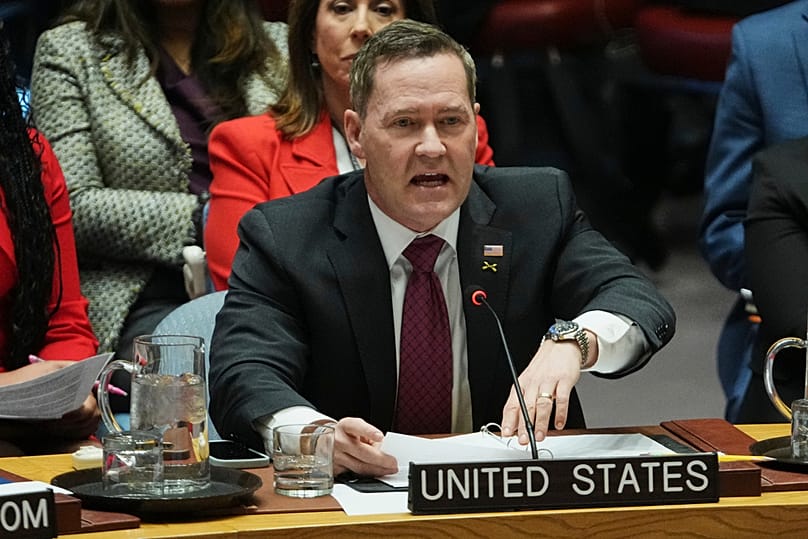
“If the United Nations in this body confers legitimacy on an illegitimate narco-terrorist with the same treatment in this charter of a democratically elected president or head of state, what kind of organisation is this?” said Waltz, Trump’s former national security adviser.
Waltz stressed that Maduro, across Europe and North America, was not considered to be a legitimate, democratically elected president, citing irregularities with Venezuela’s 2024 presidential election, which many countries and the EU view as rigged.
UN Secretary-General Antonio Guterres said in a statement that he is “deeply concerned that rules of international law have not been respected with regard to the 3 January military action.”
He added that the “grave” action by Washington could set a precedent for how future relations between nations unfold.
Even with the strong support for Venezuela's sovereignty, its envoy called on the UN to go beyond veiled comments and condemnation. Ambassador Samuel Moncada urged the Security Council to demand that Washington release Maduro and his wife.
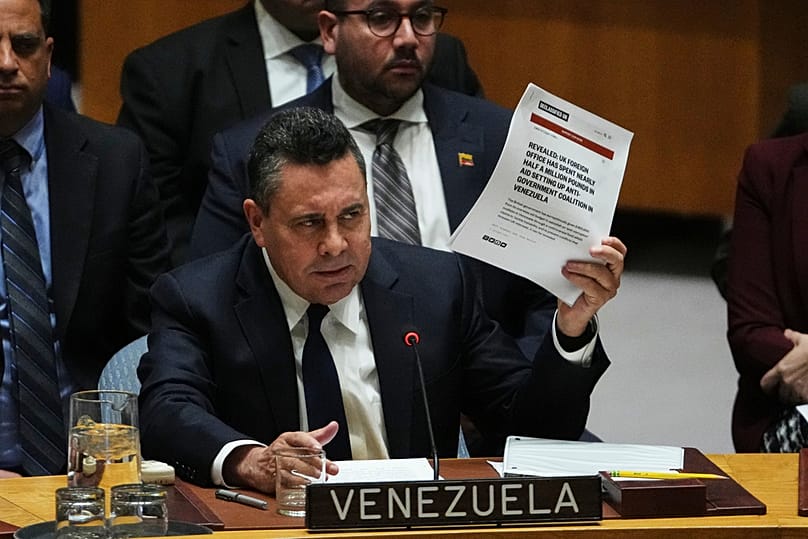
“If the kidnapping of a head of state, the bombing of a sovereign country and the open threat of further armed action are tolerated or downplayed, the message sent to the world is a devastating one: namely that the law is optional, and that force is the true arbiter of international relations,” said Moncada.
He warned that other countries can’t afford to look away: “Accepting such a logic would mean to open the door to a deeply unstable world.”
The most prominent critics of US foreign policy, China and Russia, which are also permanent members of the Security Council, called on the UN body to unite in rejecting the US's return to an “era of lawlessness.”
Maduro, like his predecessor, forged a close relationship with Moscow, while Beijing was the main destination for most Venezuelan oil.
Maduro and his wife Flores were seized by US service members early on Saturday from their home on a military base in the Venezuelan capital. They were taken aboard a US warship for prosecution in New York under a Justice Department indictment.
Maduro and Flores are accused of participating in a narco-terrorism conspiracy. In their first appearance in a Manhattan courthouse on Monday, they declared their innocence, pleaded not guilty to charges and stressed they were unlawfully captured.