















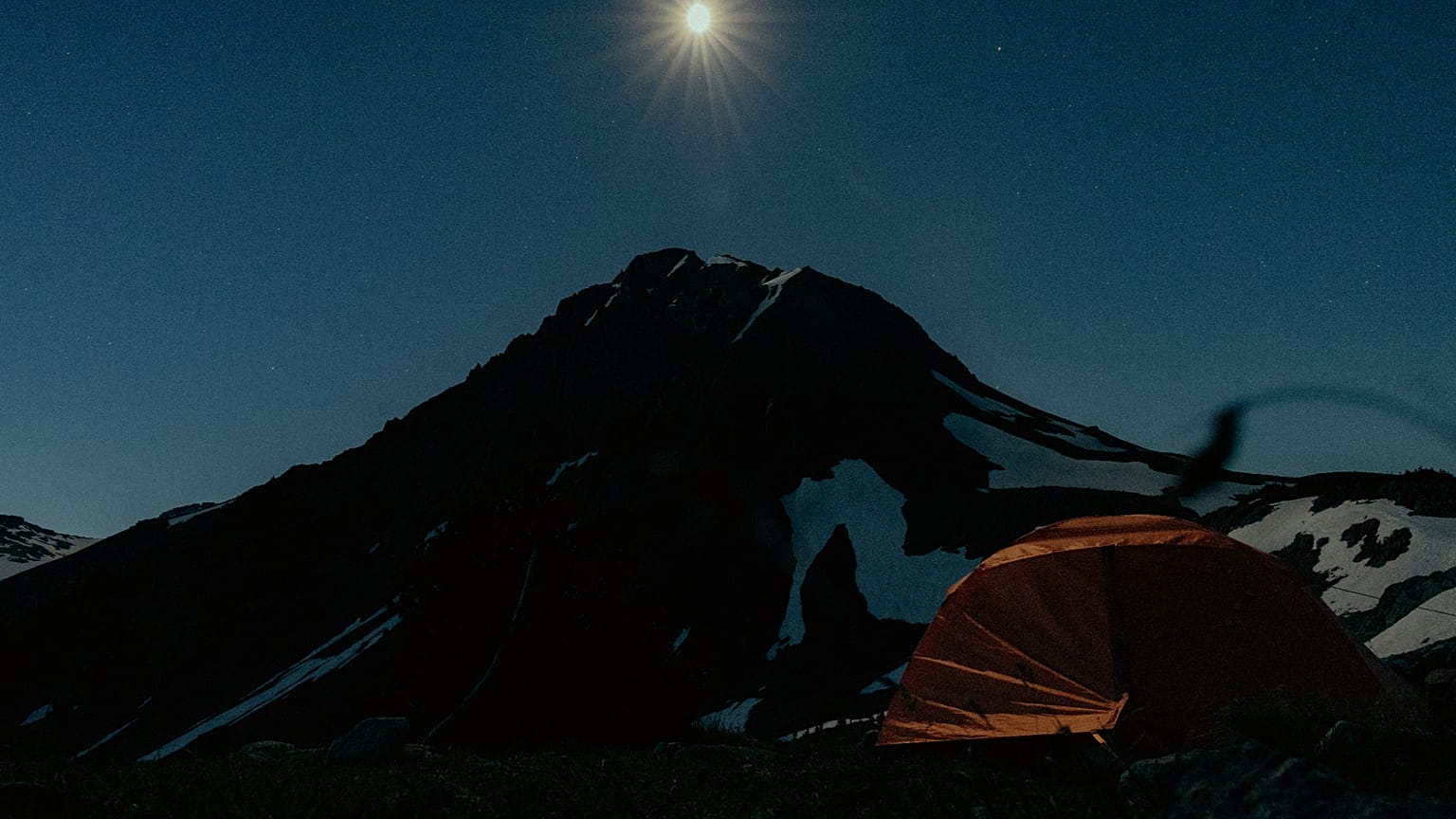













Unlike most travel trends, eclipse demand is remarkably concentrated in a brief period and geographic zone.
On 12 August 2026 a total solar eclipse will cross the North Atlantic before passing over Iceland and Spain.
 ADVERTISEMENT
ADVERTISEMENT
ADVERTISEMENT
It will be the first total eclipse visible from mainland Europe since 1999 – and travellers are excited.
Booking data shows that it could become one of the biggest demand events of the year.
Where to see the solar eclipse in Europe?
Unlike most travel trends, eclipse demand is remarkably concentrated. Travellers don't spread evenly across a country. They “flock to the narrow corridor where the eclipse can be seen in full, creating a sharp but short-lived spike in bookings”, explains rental industry data site AirDNA.
In Spain, the path of totality crosses a broad swathe of the north and east, including Zaragoza, Valencia, Bilbao, and Palma de Mallorca, while Madrid and Barcelona sit just outside it.
In Iceland, the path crosses the country's west and south, giving much of its tourism infrastructure a front-row seat to the event.
Bookings spike in Spain and Iceland for solar eclipse
In Iceland, around 5,000 of the country's 8,300 available rental listings, or 60.6%, sit inside the path of totality. Because the eclipse crosses Iceland's busiest western and southern regions, it covers the majority of the country's active short-term rental inventory.
In contrast, of Spain’s 382,400 available listings, 86,300 (22.6%) fall within the path of totality. While that share is much smaller than Iceland's, the absolute volume is enormous.
Spain's in-path supply alone is more than 16 times the size of Iceland's entire short-term rental market.
In Spain, demand within the path is pacing 7.4% ahead of last year for the booking period of 11-12 August, while demand across the rest of the country is down 5.4%. The contrast suggests the uplift is being driven by the eclipse rather than a broader improvement in Spanish travel demand.
Zaragoza leads with demand pacing 123% ahead of last year, followed by Logroño (109%), Burgos (65%), Valladolid (64%), and León (63%).
The pattern is even stronger in Iceland. Demand within the path is pacing 56.9% ahead of last year, compared with 19.2% across the rest of the country. In other words, demand inside the path is growing almost three times faster than elsewhere. Kópavogur is pacing 48% ahead of last year, while Reykjavík is up 44%.
There's a behavioural split too: Spain draws short one-to-three-night eclipse trips from nearby Europe, while long-haul Iceland sees travellers build four-to-six-night vacations around the event.
Data from AirDNA is backed up by Hotels.com, which shows lodging searches are rising sharply for destinations along the path of the eclipse, with year-on-year demand up by as much as 250%.
As astro-tourists race to secure accommodation, the site found the most popular European eclipse-viewing destinations are Reykjavík (+250%), Valencia (+140%) and Mallorca (+15%).
Is it too late to book accommodation for the solar eclipse?
Big events can mean limited hotel availability and rising room rates, especially as travel dates get closer.
Consider staying in lesser-known neighbourhoods or alternative destinations within the eclipse viewing zone to find better availability and rates. In Spain, you could try A Coruña, while in Iceland look for rural accommodation just outside popular spots like Reykjavík.
As for types of lodging, expand your search beyond hotels and rental properties to rural guesthouses and campsites.
Don’t forget about cruises. The path of totality will pass over large areas of the ocean, and ships can reposition themselves for prime viewing.
Remember that as the event approaches, free cancellation deadlines will expire, so you may find accommodation reappearing on booking sites at the last minute as other travellers change plans.