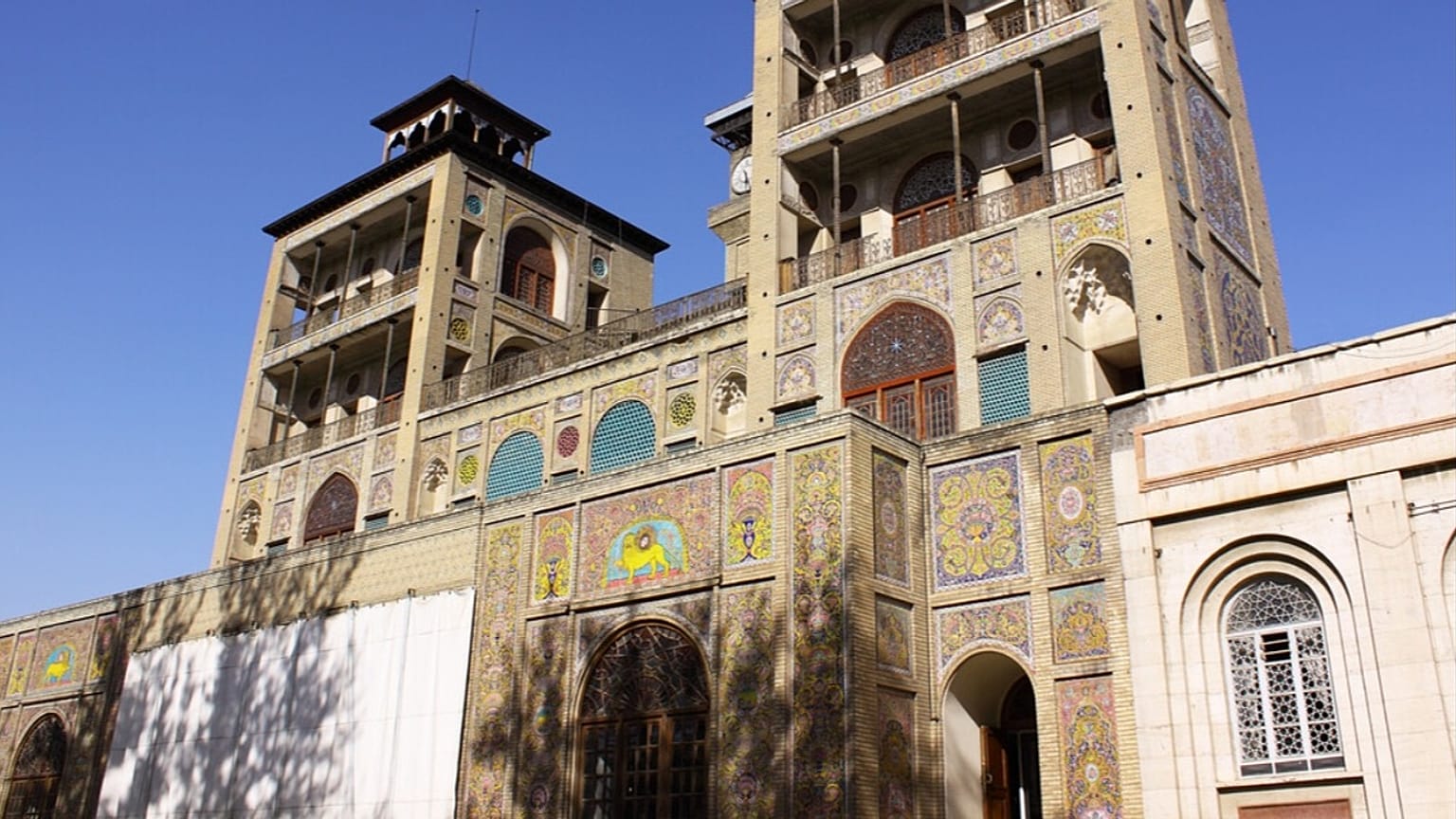













The United Nations cultural agency, UNESCO, has expressed concerns over escalating violence in the Middle East after Iran's Golestan Palace was damaged by debris after a US-Israeli air strike on Tehran.
The United Nations cultural agency UNESCO has expressed concerns over the fate of several heritage sites in the Middle East following US-Israeli bombing targets in Iran.
 ADVERTISEMENT
ADVERTISEMENT
ADVERTISEMENT
On Monday, the Golestan Palace in Tehran was hit by debris and shockwaves after an air strike on nearby Arg Square, according to Iran's Mehr news agency. The palace's windows, doors and mirrors were reportedly damaged.
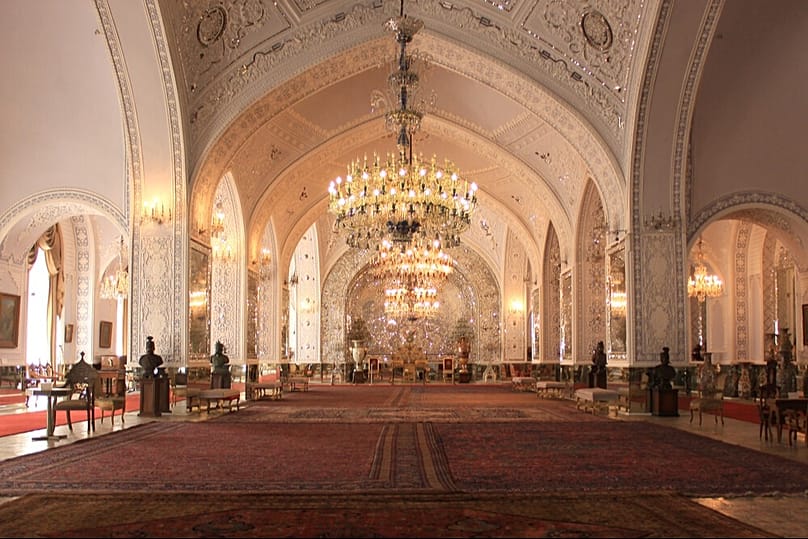
According to UNESCO, Golestan Palace is located_"_in the heart of Tehran's historic center." This walled palace is one of the oldest complexes in the city.
"It was chosen as the seat of government by the ruling Qajar family, who came to power in 1779 and made Tehran the capital of the country," the website states. "Built around a garden composed of pools and planted areas, it acquired its most characteristic features and ornamentation in the 19th century."
The site specifies that it is "composed of eight important palatial structures mainly used as museums, surrounded by an outer wall pierced with doors".
In a statement issued on Monday, UNESCO said it has "communicated to all parties concerned the geographical coordinates of sites on the World Heritage List as well as those of national significance, to avoid any potential damage."
UNESCO also recalls that "cultural property is protected under international law, notably the 1954 Hague Convention for the Protection of Cultural Property in the Event of Armed Conflict, including its enhanced protection mechanism, as well as the 1972 Convention concerning the Protection of the World Cultural and Natural Heritage."