














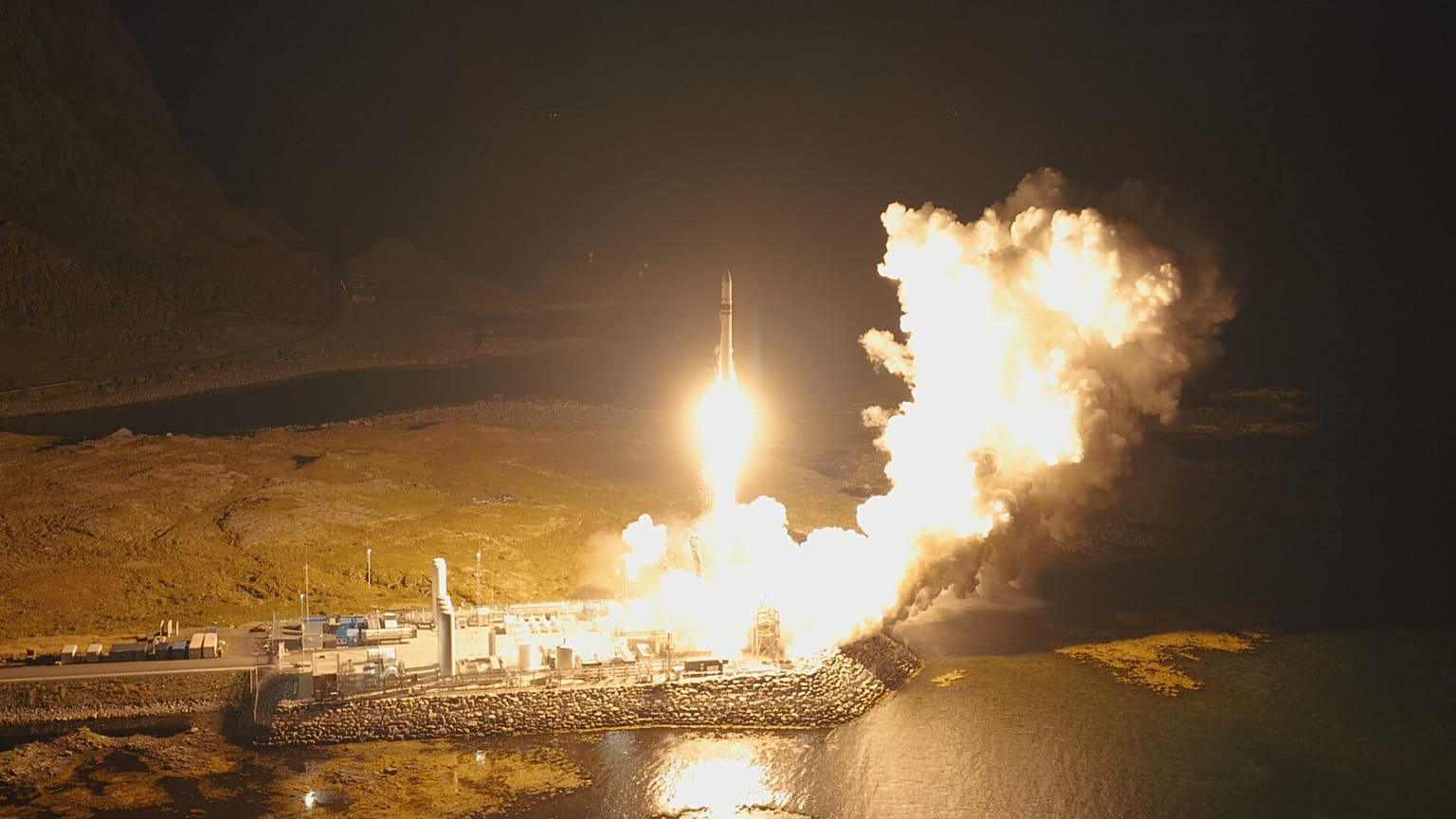













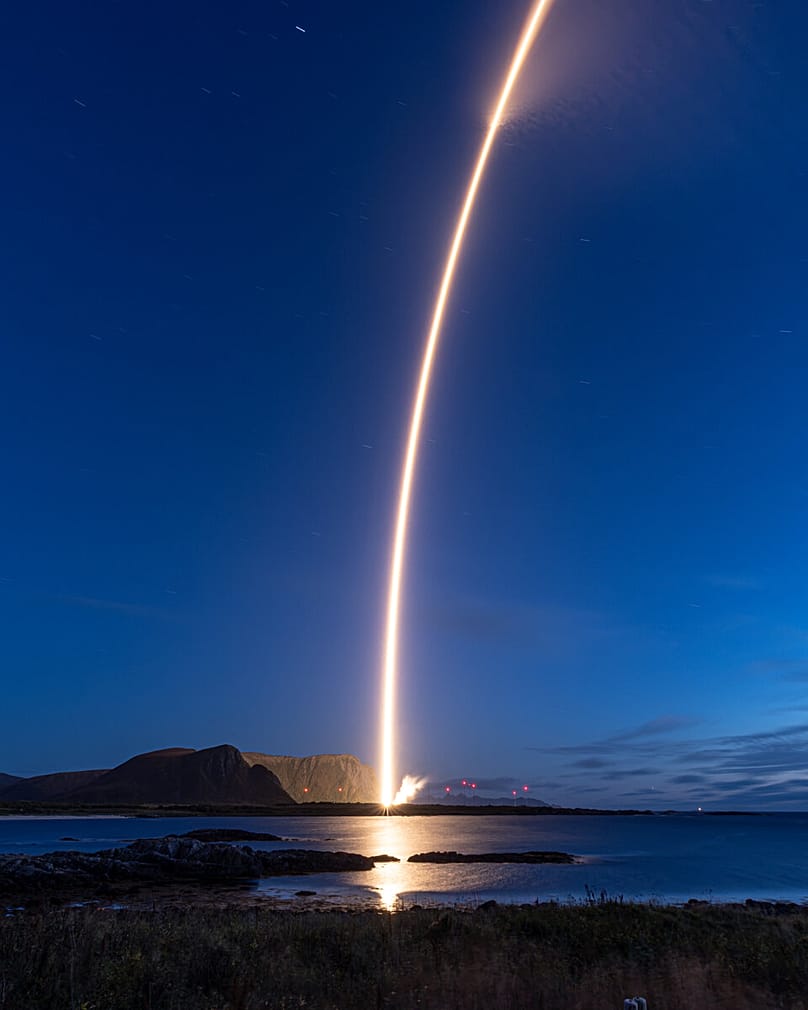
German company Isar Aerospace has placed its Spectrum rocket in low Earth orbit at the second attempt, becoming the first European firm to do so with its own launcher and hitting the first milestone of ESA's European Launcher Challenge.
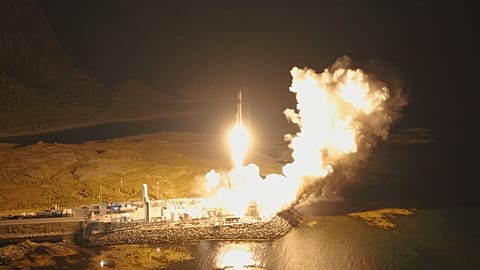
The Spectrum launcher, developed by German company Isar Aerospace, has lifted off from the Andøya spaceport in Norway and placed its payload into low Earth orbit. This was the rocket’s second flight; the first, carried out in 2025, managed only to clear the launch pad for 30 seconds before crashing into the sea.
 ADVERTISEMENT
ADVERTISEMENT
ADVERTISEMENT
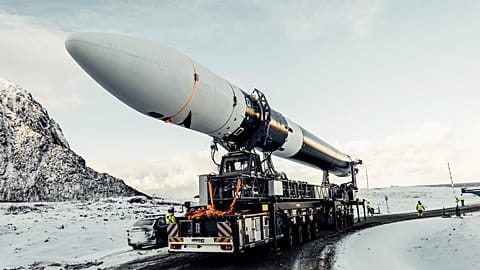
Spectrum is 28 metres tall and 2 metres in diameter. It is powered by ten engines, nine on the first stage and one on the second, and is designed to carry payloads of up to 1,000 kilograms to low Earth orbit (LEO).
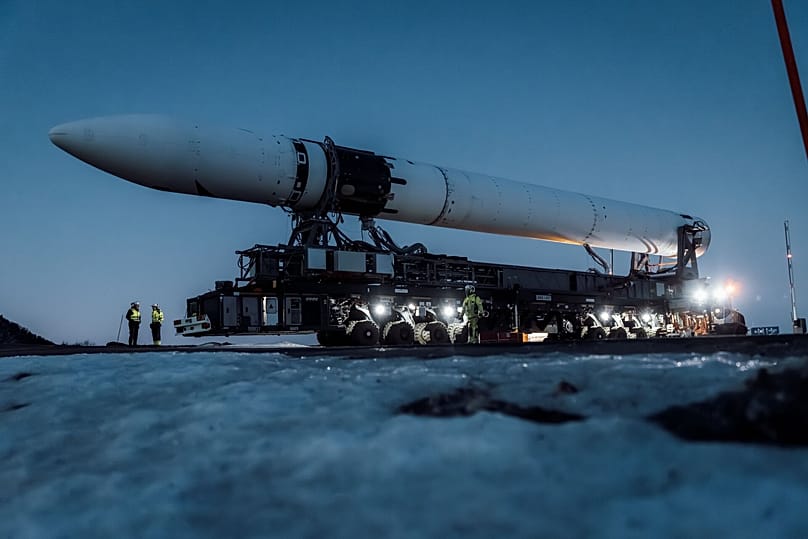
Unlike the first flight, which carried no passengers, this mission, named "Onward and Upward", included six commercial and educational payloads, among them several CubeSats and an experiment designed to test new technologies in space and give European students practical, hands-on experience.
A milestone for the European Launcher Challenge
The Director General of the European Space Agency, Josef Aschbacher, described the launch as historic and hailed it as the first time a European competitor in the launcher sector has reached orbit. He said that Isar Aerospace, founded only eight years ago, has taken an important step towards a more diverse and autonomous European space sector.
The mission was supported by ESA’s Boost! programme, which funds commercial space transport initiatives. Isar Aerospace had already received backing through the agency’s Business Incubation Centre, and also won the first Microlauncher Competition organised by the German Space Agency (DLR), a contest that determined the selection of the payloads carried on this flight.
In 2025, Isar Aerospace was selected, along with other companies, to take part in the European Launcher Challenge, a programme that requires providers to achieve an orbital launch before 2027. With this flight, the company has become the first to reach that initial milestone of the programme.
Géraldine Naja, ESA’s Director of Space Transportation, stressed that this is the first European company to reach orbit with its own launch vehicle and congratulated the teams involved, while pointing to the expectation of seeing more launches from Andøya in the near future.
A fast-growing sector
Isar Aerospace’s success comes at a time of strong momentum for Europe’s microlauncher ecosystem, with companies such as Spain’s PLD Space also beginning to secure contracts under the same European Launcher Challenge.
At the end of August, ESA signed a 158.9 million-euro contract with the Alicante-based company to increase the launch rate of its MIURA 5 rocket, in a move designed to serve the same objective: reducing Europe’s dependence on foreign launchers to put satellites into orbit.