





























The launch of MTG-I2 from French Guiana completes the first trio of Meteosat Third Generation satellites, delivering high-resolution data and images every 2.5 minutes to transform weather forecasting and early warnings of extreme events.
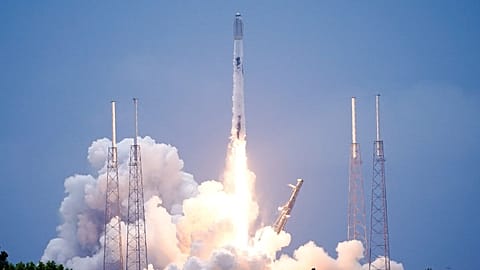
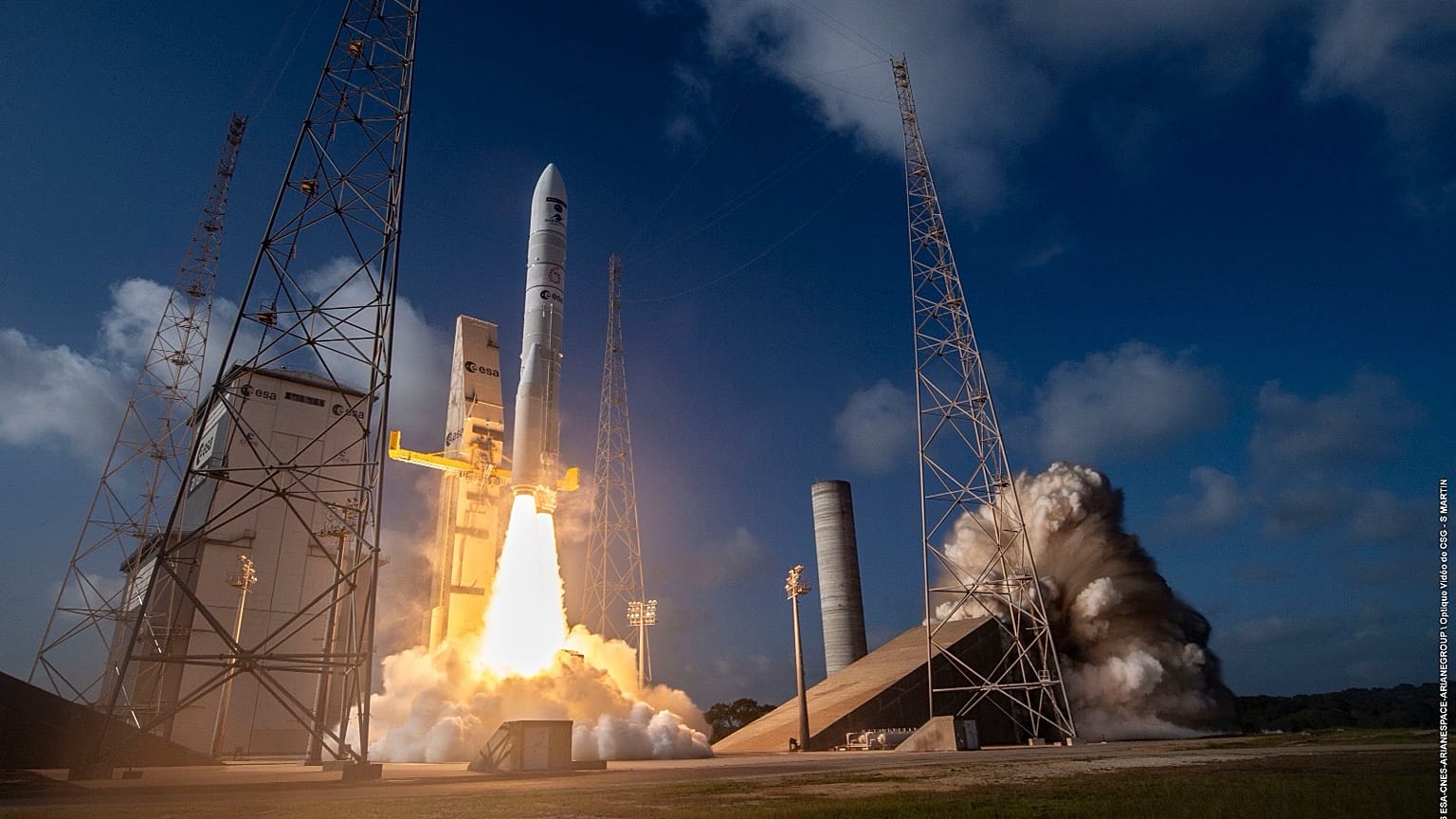
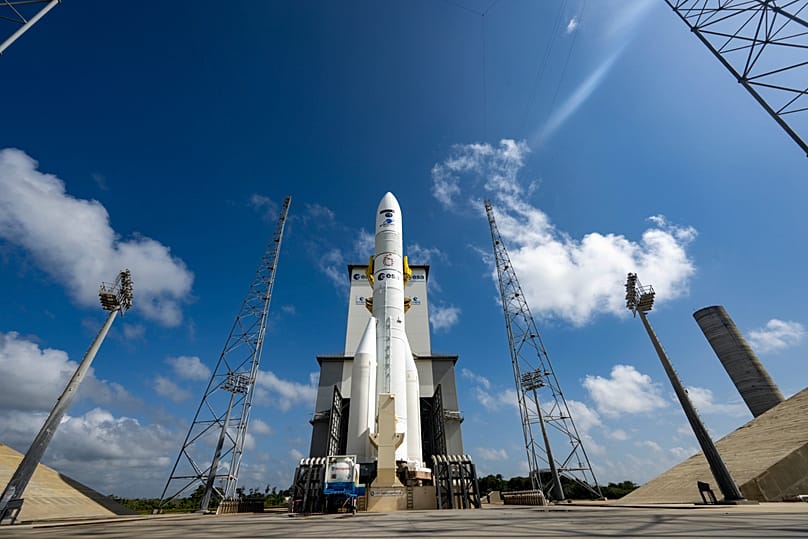
The European Space Agency (ESA) has reached a historic milestone in Earth observation and meteorological science, amid the climate crisis and meteorological disasters. The MTG-I2 ("Meteosat Third Generation Imager-2") satellite has been successfully launched aboard the Ariane 6 rocket from the European Spaceport in Kourou, French Guiana.
 ADVERTISEMENT
ADVERTISEMENT
ADVERTISEMENT
With this mission, ESA completes the first trio in the Meteosat Third Generation constellation (MTG). MTG-I2, successfully launched on 27 July, is the second imaging satellite in this fleet and joins the first Imager (launched in 2022) and the Sounder (launched in 2025). Once its commissioning phase is complete, the constellation will begin operating at full capacity.
Revolution in forecasting extreme weather events
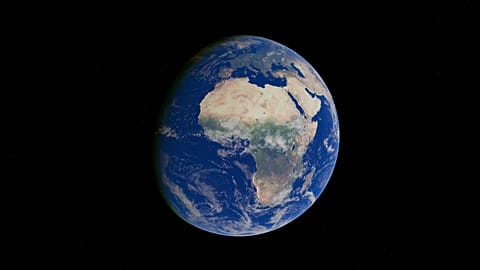
Located at an altitude of 36,000 kilometres in geostationary orbit, MTG-I2 will maintain a fixed position, acting as a watchful eye over the Earth's surface. Its main instrument, the Flexible Combined Imager, will provide a rapid-scan service over Europe, delivering high-resolution observations every 2.5 minutes.
This very high refresh rate represents a change of paradigm for nowcasting, improving short-term weather forecasts and proving vital for the monitoring of disasters such as floods or wildfires. The technology will make it possible to track atmospheric fronts in real time, anticipate the formation of severe storms or DANA events and improve the monitoring of fires and air pollution across Europe, with a particular focus on the Mediterranean and North Africa.
In addition, the satellite includes the Lightning Imager, a sensor capable of detecting and mapping individual lightning discharges both day and night. Integrating these satellites will make it possible to build the "weather cube", a three-dimensional representation of lightning, winds, cloud dynamics and greenhouse gases.
A milestone for the Ariane 6 rocket and the next operational steps
The launch marked the ninth mission of Ariane 6 (source in Spanish) and the first time the European heavy-lift rocket has carried a satellite to a Geostationary Transfer Orbit (GTO). To reach the furthest distance achieved by this launcher to date, it flew in a configuration with two P120C solid-fuel boosters.
After satellite separation, contact with the spacecraft was successfully established. Ground teams are now overseeing the deployment of the solar panels and the gradual ignition of its propulsion system to raise the perigee and fine-tune its trajectory towards its final geostationary orbit. Once it has been repointed towards Earth, the Launch and Early Orbit Phase (LEOP) will end and scientific calibration can begin.
European industrial cooperation and the future of the programme
Development of the MTG family has been led by ESA together with a European industrial consortium headed by Thales Alenia Space, with support from OHB System and Leonardo. Once the calibration phase is complete, responsibility for operating the satellites and distributing data to the international scientific community will pass to Eumetsat.
This fleet guarantees continuity of the observations begun by the Meteosat Second Generation series (operational between 2002 and 2015). From 2033, a second family of MTG satellites is expected to be launched in stages, ensuring the continuity of the service beyond 2040.