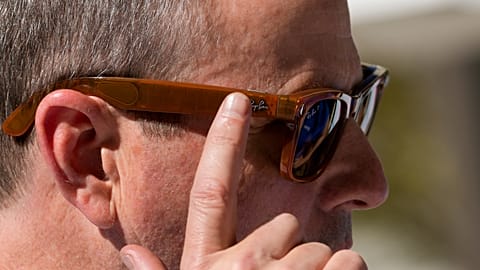






























Smart eyewear is a type of wearable tech offering features such as built-in cameras, microphones, and augmented-reality displays, allowing users to capture photos and videos or project data into view.
Norway is planning to clamp down on the use of smart glasses and similar devices in response to concerns over privacy issues, Oslo announced on Tuesday.
 ADVERTISEMENT
ADVERTISEMENT
ADVERTISEMENT
Norway's Ministry of Digitalisation said it was seeking "stricter regulation" on the wearable tech and that it was urging both the public and private sectors to "consider their own guidelines."
"We see that people's privacy and data protection are being put under pressure by new technology, so I will therefore regulate smart glasses and similar devices more strictly than today," Karianne Tung, Norway's Minister of Digitalisation and Public Governance said.
"This could, for example, involve banning functions such as facial recognition of other people in public spaces," Tung continued.
She added that the ministry would also establish an "expert group" that would advise the department on regulation of the technology.
Smart eyewear is a type of wearable tech offering features such as built-in cameras, microphones, and augmented-reality displays, allowing users to capture photos and videos or project data into view.
Its usage has become increasingly controversial in recent months, with critics voicing concern over privacy issues and the potential for the glasses to be used for "surveillance," while others note its benefits for disabled people, particularly people who are blind or visually impaired.