















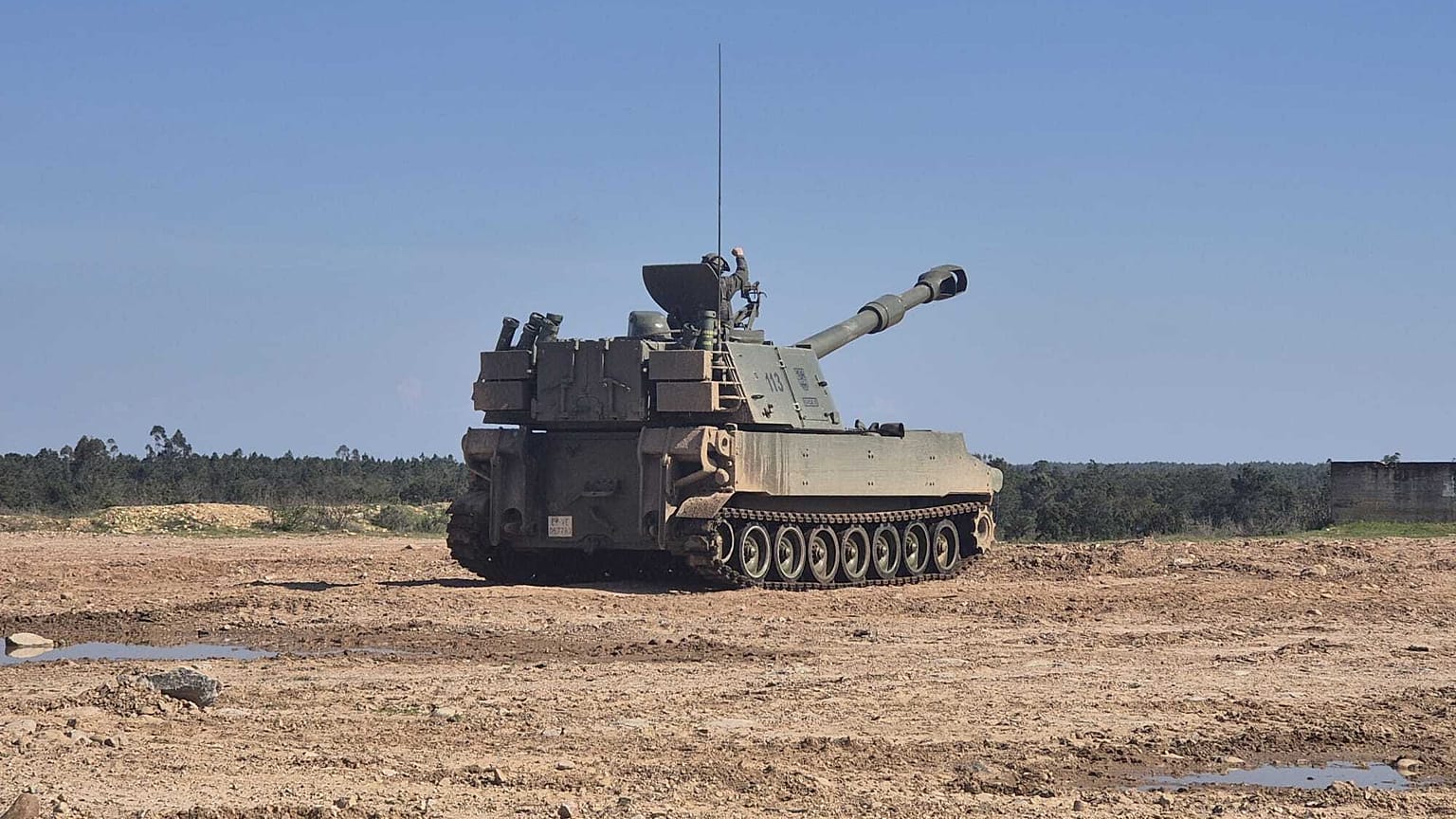













The Strong Impact 2026 exercise is taking place in Portugal, at the Santa Margarida Military Camp. The Portuguese army has collaborated with the UAVision company to modernise its weaponry and is once again testing the so-called 'suicide drones'.
The Portuguese Army is testing so-called "attack drones" in a NATO exercise to modernise and innovate its weaponry, in line with other armed forces in the Atlantic Alliance. The Strong Impact 2026 exercise has been taking place in recent days at the Santa Margarida Military Camp, in Constância, and ends this Wednesday.
 ADVERTISEMENT
ADVERTISEMENT
ADVERTISEMENT
As part of the exercise, which also involves testing what are known as "suicide drones", the army has used loitering munitions developed under the "Robotics and Autonomous Systems" project of the Military Programming Law, a collaboration between the Army and Portuguese company UAVision.
Loitering munitions are unmanned aerial vehicles that hover over a given area while searching for a target to strike, Army spokesperson Lieutenant Colonel Hélder Parcelas told Euronews.
Unlike traditional missiles, which are launched at a predetermined target, they allow the operator to monitor the situation live and select the target at the right moment. These munitions make strikes much more accurate, significantly reducing the risk of collateral damage.
"This capability is characterised by a 'search-then-strike' logic, that is, search first, decide later and act with precision. Its main advantages include flight endurance, flexibility in how it is used, the possibility of aborting or redirecting an attack as the tactical situation evolves, and the ability to hit high-value targets with limited collateral impact," the Army explains in a statement sent to Euronews.
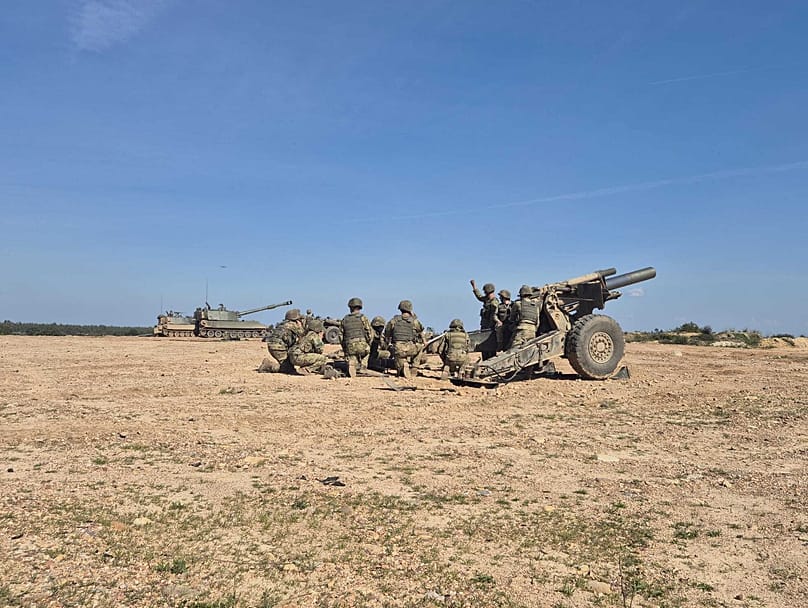
This is not the first time the army has carried out this kind of test, as the system was already used in the 2025 edition of the manoeuvres.
The aim of the system, and of the exercise itself, is to "develop the operational capability of the Portuguese Army’s Field Artillery and Air Defence Artillery units, while also integrating forces from allied countries in the Atlantic Alliance," the army spokesperson added. The goal is to manufacture, in Portugal, weaponry with a longer range and greater payload capacity.
In the previous edition, flight tests of the "Elanus" drone were carried out at the Santa Margarida Military Camp. The aircraft stands out for its 50-kilometre range, 30-minute flight endurance and 3-kilogram payload capacity.
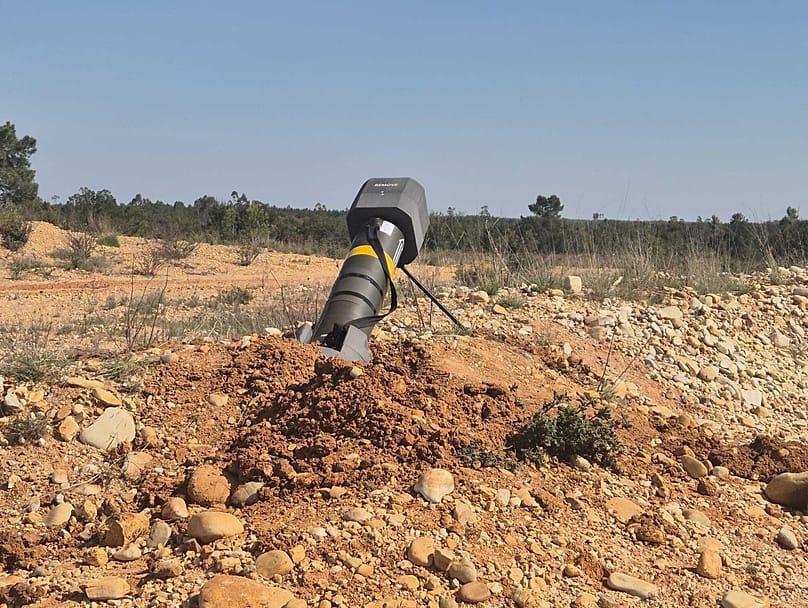
The Strong Impact 2026 operational exercise, which began on 16 March and ends this Wednesday, brought together 417 troops from several NATO countries, namely 320 from the Portuguese army, 91 from the Spanish army, four from the French army and two observers from the Romanian army. The final day of the exercise will be marked by the public presentation of the loitering munitions, the army spokesperson told Euronews.
Portugal is one of NATO's 12 founding members and, over recent decades, has taken an active part in international missions, reaffirming its commitment to the Atlantic Alliance.