




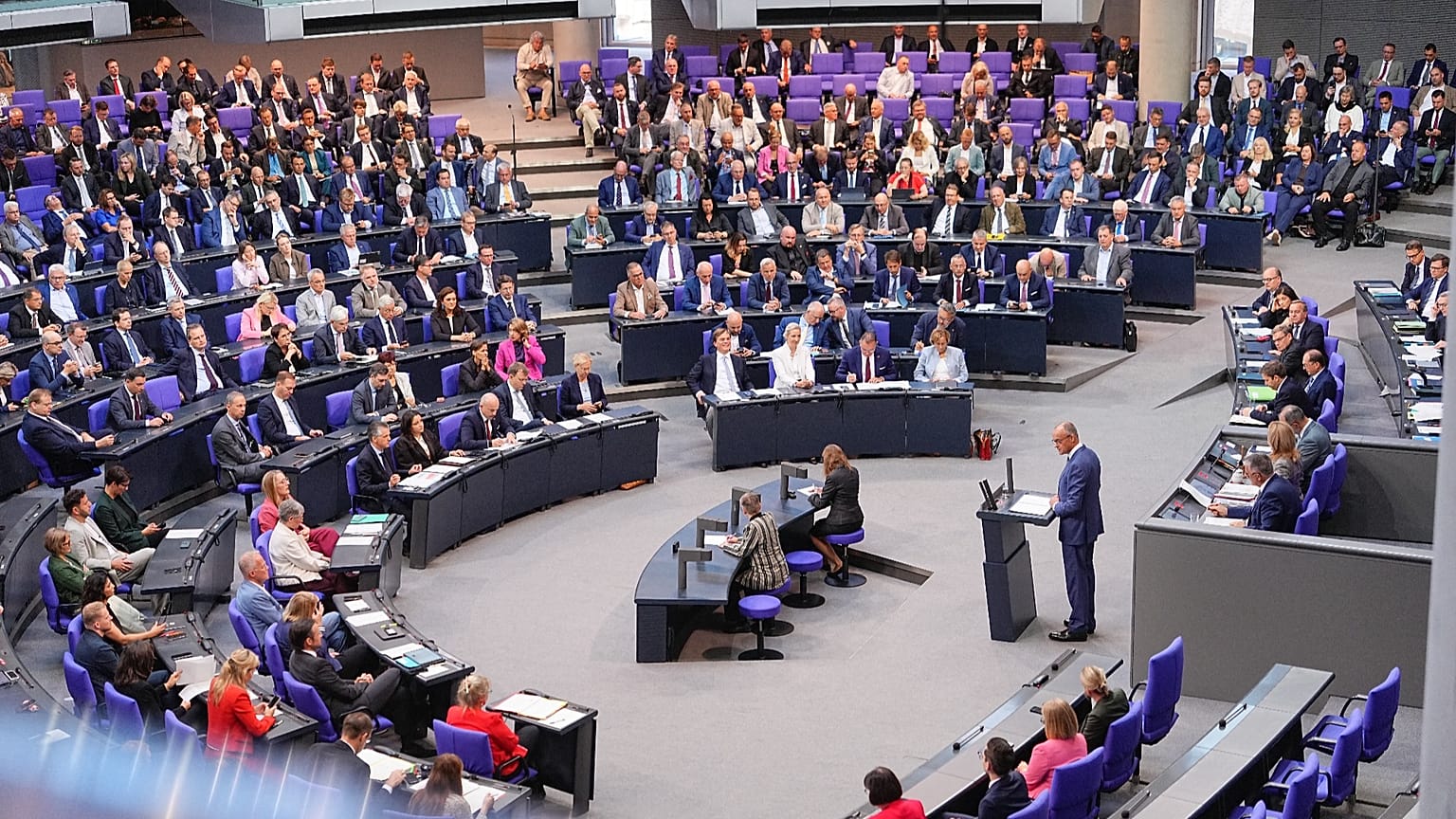














The AfD, which fell three seats short of an absolute majority, in state elections in Saxony-Anhalt said it was now in talks with other groups and MPs in an effort to form a state government.
German Chancellor Friedrich Merz labelled the far-right AfD's demand for mass "remigration" a form of "ethnic cleansing by skin colour and origin" in a heated parliamentary exchange on Wednesday.
 ADVERTISEMENT
ADVERTISEMENT
ADVERTISEMENT
Three days after the AfD scored a crushing election victory over his centre-right CDU in the eastern state of Saxony-Anhalt, Merz and AfD co-leader Alice Weidel sharply attacked each other in the assembly.
Merz took aim at the Alternative for Germany party's demand for mass deportations of rejected asylum seekers and people arriving via irregular channels.
"The word 'remigration' is nothing other than a synonym for ethnic cleansing," Merz said about the AfD's flagship policy.
"Remigration is nothing other than ethnic cleansing by skin colour and origin," he added to howls of protest from AfD deputies in the Bundestag.
The AfD took almost 44% of the vote in Sunday's election, against 17% for the CDU.
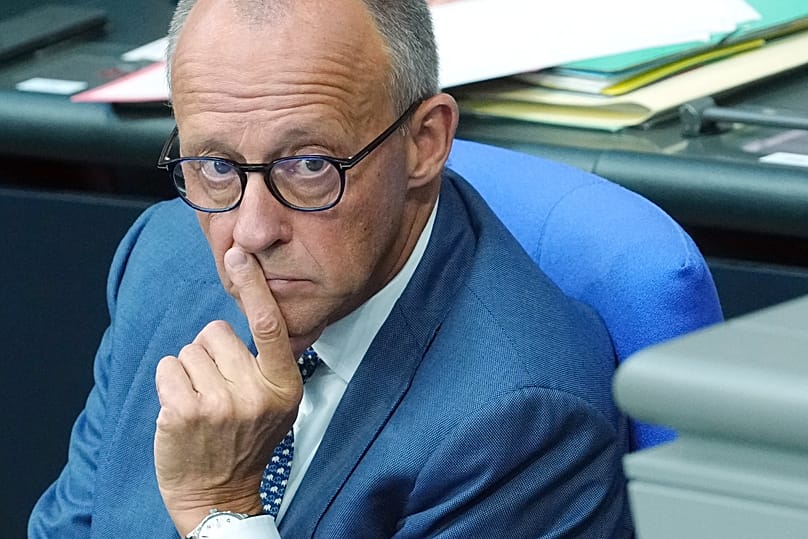
The AfD, which fell three seats short of an absolute majority, said it was now in talks with other groups and MPs in an effort to form a state government.
The rise of the AfD has unnerved many who feel Germany has a special responsibility to atone for its Nazi past.
'Change at last'
Weidel took to the lectern first, declaring that the days of Merz's coalition "are over."
People wanted "a change of course in politics at last and they don't want 'business as usual'," she said.
She also denounced the government's immigration policy, saying it had made Germany unsafe.
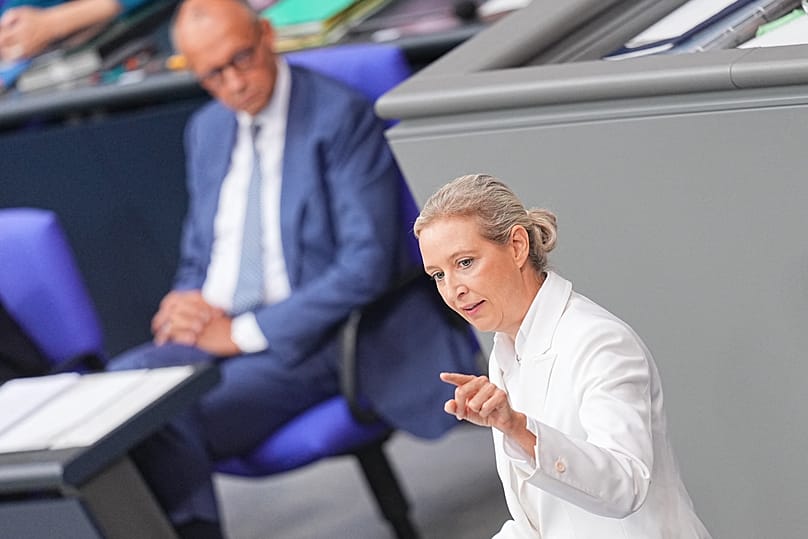
"German citizens have to live with the daily consequences of mass migration," she said.
"With knife violence every day, attacks on trains and in stations, with run-down and threatening cityscapes."
Hitting back, Merz said the AfD's immigration policy would massively impact the labour market.
"Not a single care home could work operate, not a single hospital, not a single restaurant," he said.
Merz also accused the Moscow-friendly AfD of contributing to what he said were Russian efforts to "destabilise" Germany, following a foiled drone attack at Leipzig airport last month Berlin blamed on Russia.
"There has been nothing from you, Mrs Weidel, on what happened on August 4 at Leipzig airport," he said. "You are part of the problem we have here in Germany."
Noisy AfD lawmakers who often heckled Merz drew the ire of parliamentary speaker Julia Kloeckner.
"We aren't on a football pitch here; save that for the weekend," she said. "If this kind of behaviour happens again, I will have you thrown out."