































The EU is to propose more “far-reaching” sanctions against Russia this autumn after the bloc’s latest package was watered down amid pressure to protect national economic interests.
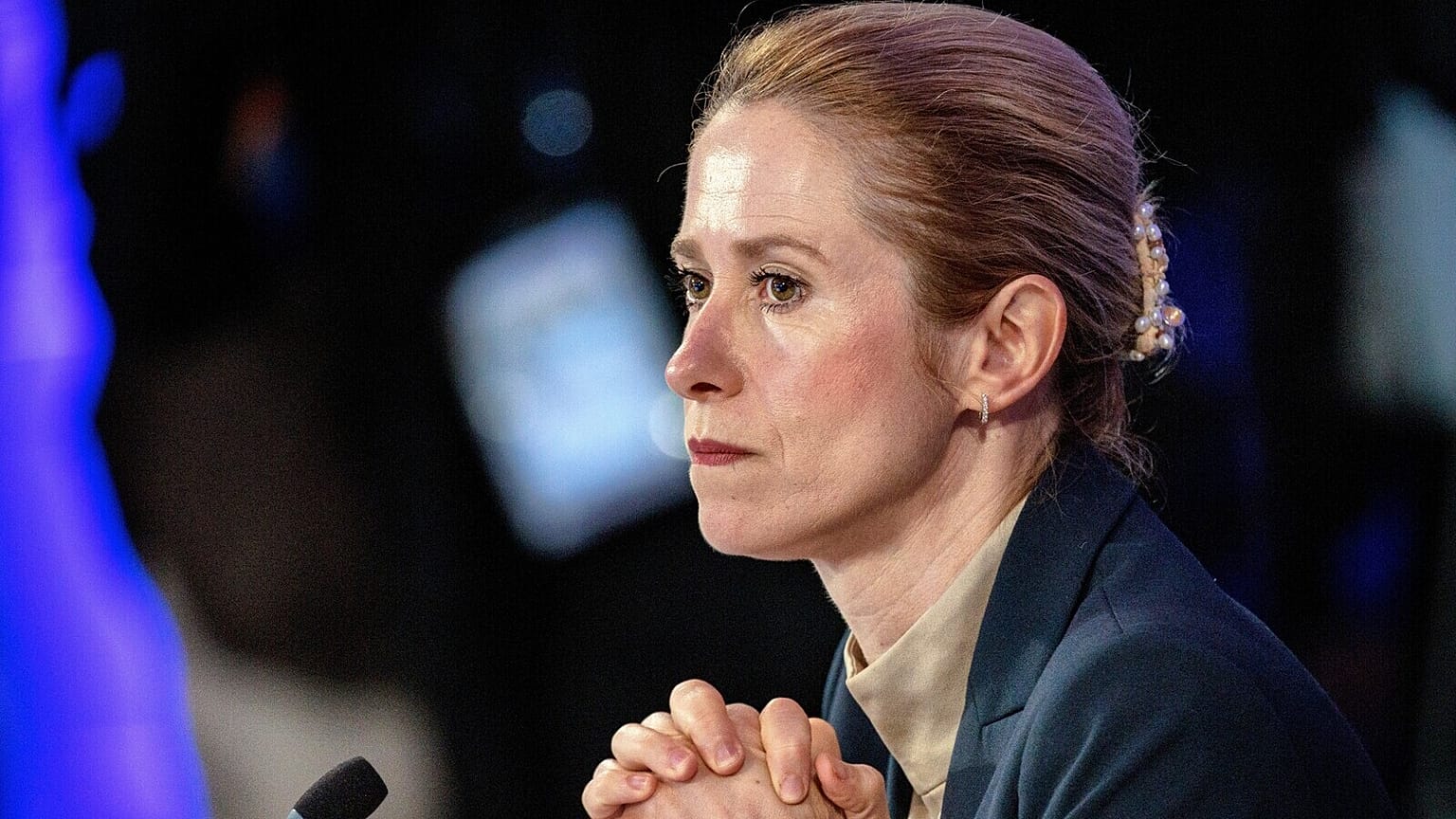
The European Union's foreign policy chief Kaja Kallas said the bloc will seek tougher sanctions on Russia this autumn, signalling a fresh push to ramp up pressure on Moscow.
 ADVERTISEMENT
ADVERTISEMENT
ADVERTISEMENT
In an interview with German newspaper Die Welt, Kallas said that in the coming months she would "put forward the most far-reaching sanctions listings since the start of the war", adding that the listings would raise the total number of sanctioned Russian companies and individuals "by a third".
"The pressure must keep growing until Moscow ends its war," she added.
Since the start of Russia's full-scale invasion against Ukraine in 2022, the EU has approved 21 packages of sanctions targeting Russian political and military leaders, businessmen, oligarchs and companies.
Over 3000 individuals and entities have been sanctioned so far, with more than €28 billion in private assets in the EU frozen.
Kallas' comments suggest that the upcoming sanctions could see a further 1000 individuals and entities targeted. Any listing must secure the unanimous approval of all 27 EU member states.
The sanctions also aim to restrict Moscow's ability to fund and sustain its operations in Ukraine, by targeting its military complex, industrial base and export operations.
Kallas said that the Kremlin had "already paid a high price for the EU sanctions", estimating the economic cost to be at over one trillion euros.
Yet, recent attempts to broaden the scope of EU sanctions on Russia have been met with surprising resistance from some member states.
The most recent, 21st package of sanctions on Russia was almost derailed by Greece, which insisted on a special exemption from an EU-wide ban on the shipment of Russian liquefied natural gas (LNG) as a precondition to approving the sanctions.
Athens ultimately secured the exemption despite other diplomats' outrage, raising major questions over the way national economic interests could take precedence over the appetite to inflict deeper economic pain on Russia.
Kallas also expressed optimism that the US and the EU could "move closer" in their sanctions policy, after a Russia sanctions bill championed by the late senator Lindsey Graham was passed in the senate in a bipartisan vote.
There has been mounting anxiety in Brussels over the eroding of financial support to Ukraine and sanctions against Russia since Donald Trump's re-election.