




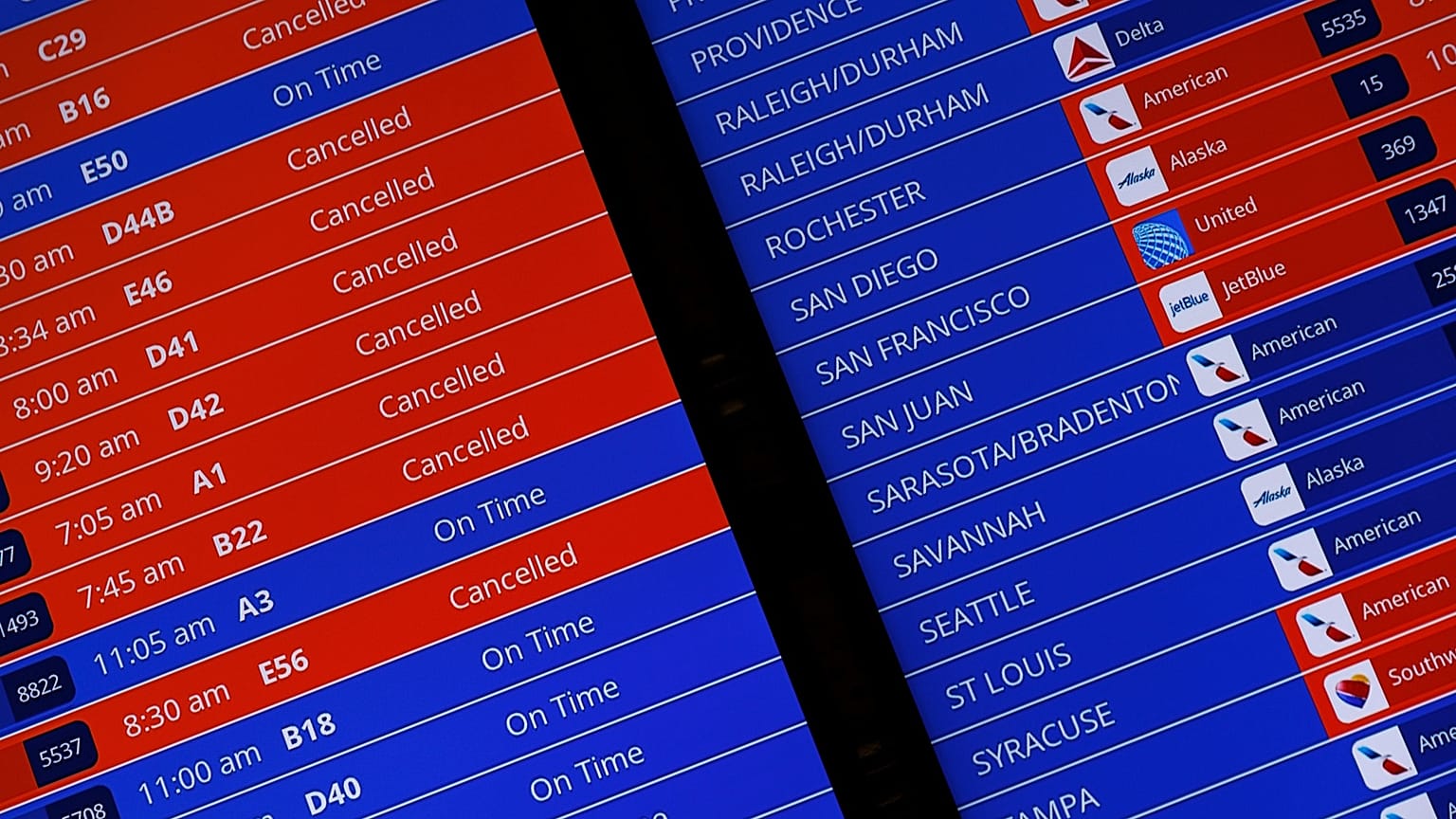













Throughout the weekend, stranded passengers wandered through chaotic airports and sat on floors, waiting for updates or to be rebooked.
US air travel was slowly returning to normal on Monday after three days of widespread disruption following an extraordinary take-off ban issued by US aviation authorities.
 ADVERTISEMENT
The ground stop issued on Friday afternoon was only the second time such a directive had been issued nationwide in the busy US airspace since planes were grounded following the 9/11 terrorist attacks and was blamed by the Trump administration on a faulty upgrade to communications equipment.
On Monday morning, more than 250 US-related flights, those traveling within, into or out of the United States, scheduled for the same day were cancelled, according to industry tracker FlightAware.
That marked a dramatic shift from the more than 2,300 flights that were cancelled on Sunday.
There were delays to more than 700 US-related flights scheduled for Monday, compared to more than 10,000 the previous day.
The Trump administration sought to reassure weary flyers as questions remained over how such chaos could unfold in the world's largest economy, a country that prides itself on its technological prowess.
Throughout the weekend, stranded passengers wandered through chaotic airports and sat on floors, waiting for updates or to be rebooked.
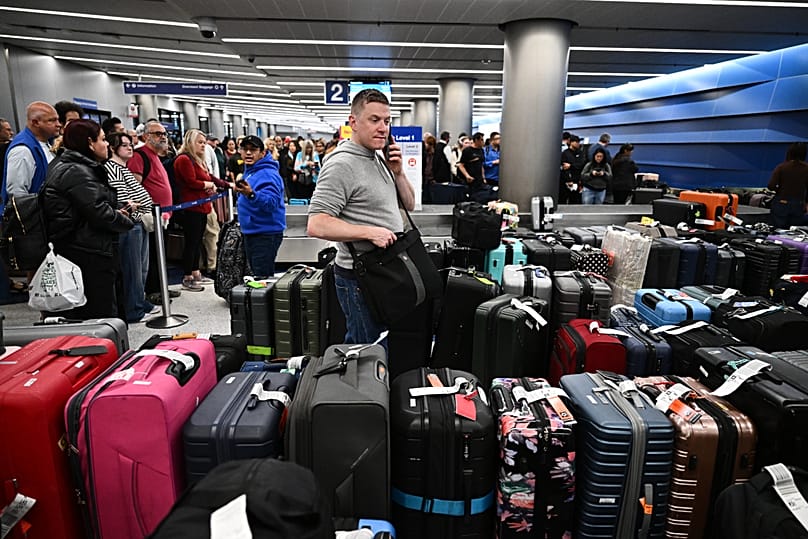
Officials blamed Friday's colossal disruption on faulty work to upgrade air traffic control communication cables.
President Donald Trump ended uncharacteristic days of silence on the ground stop on Sunday, but only to blame his predecessor Joe Biden for the debacle.
Trump insisted he inherited a mess from the Biden administration and said Congress, which his party has controlled for two years, must approve funds to upgrade America's outdated air traffic control system.
"The Biden Administration was an FAA disaster," Trump said, referring to the Federal Aviation Administration.
"Everything they touched turned bad. Big money spent unwisely, making an old and broken system worse than when they began," Trump said.
FAA chief Bryan Bedford said on Saturday that air travel for millions of Americans stranded at airports would return to normal by the close of business on Sunday.
But Transportation Secretary Sean Duffy said Sunday morning it will actually take longer to get planes, crews and travellers to where they need to be.
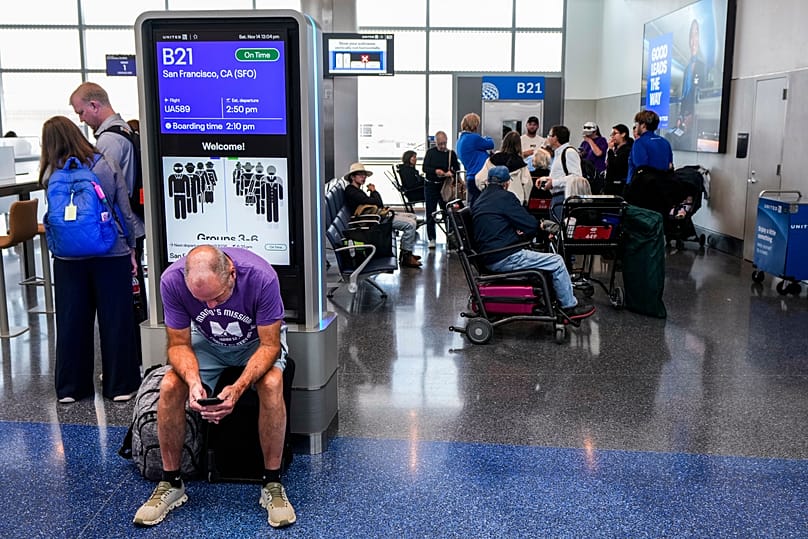
"We're going to see things come back to normal today, but probably fully normal tomorrow," Duffy said on ABC News.
"We had airplanes and crews out of position because of Friday, so it takes a little bit of time to do that."
Ageing infrastructure
Duffy also rejected calls for his resignation over the travel chaos, insisting he inherited woefully outdated air traffic control infrastructure such as radar equipment that dates back to the 1960s.
"So when we do work and things go wrong, of course I'm the secretary. But I also have to acknowledge what was delivered to me," Duffy said in an interview on CNN.
The ground stop not only plunged US air travel into chaos, but it also raised serious concerns about the country's ageing infrastructure.
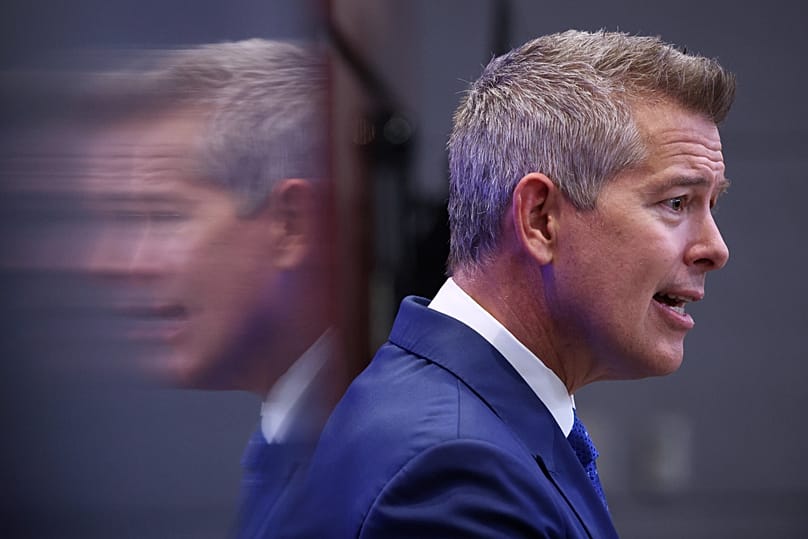
Duffy has appealed for $50 billion (€45 billion) in funds to upgrade and modernise the air traffic control system, and called for Congress, which controls the purse strings of the US government, to "meet this moment."
But Democrats quickly pounced to say Congress under Trump's Republicans could already have done this.