


















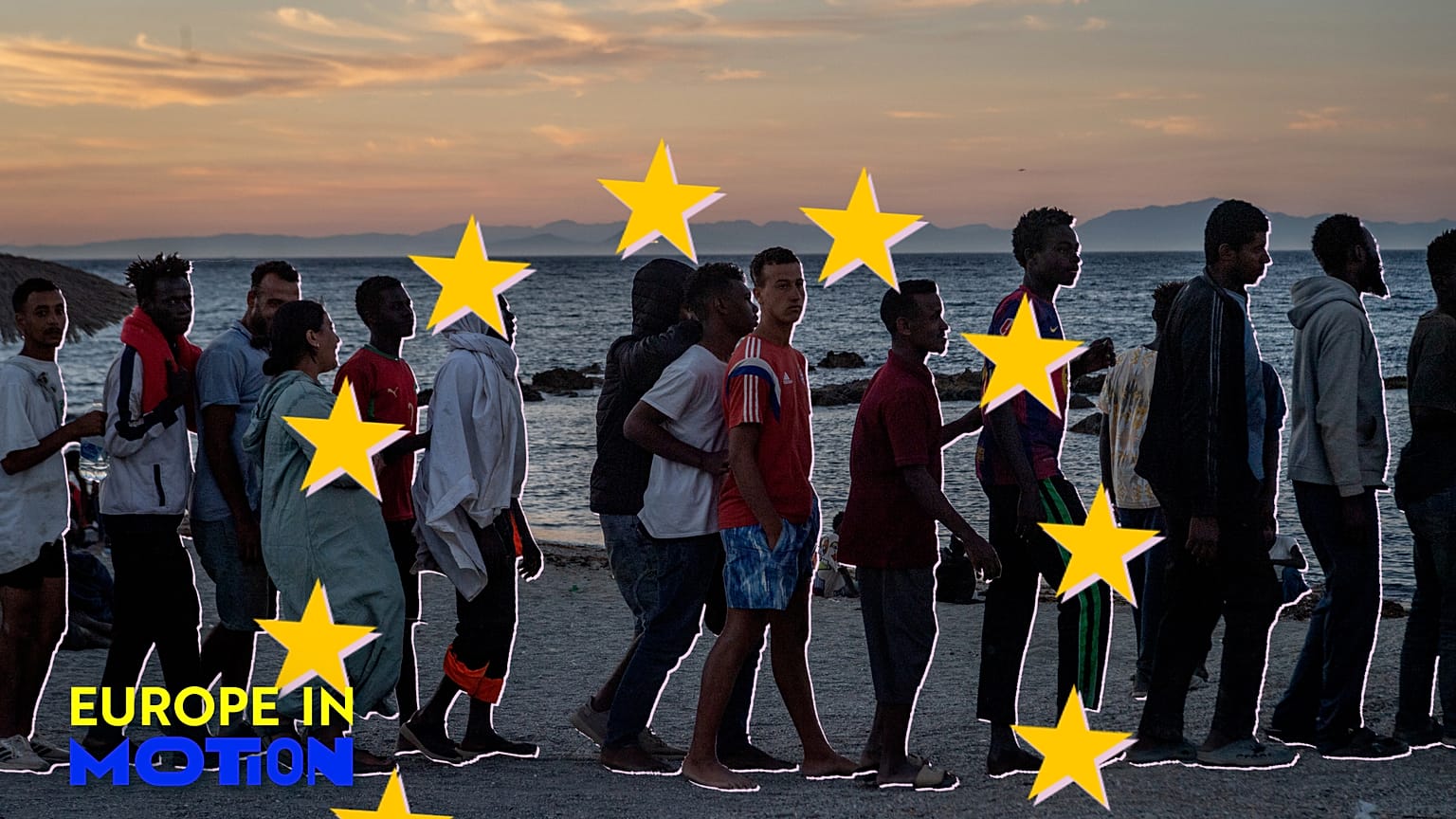














Migration is a hot topic in the EU: the issue of refugees in particular has become even more pressing following the surge of migrants into the Spanish territory of Ceuta, but how do citizens feel across the bloc?
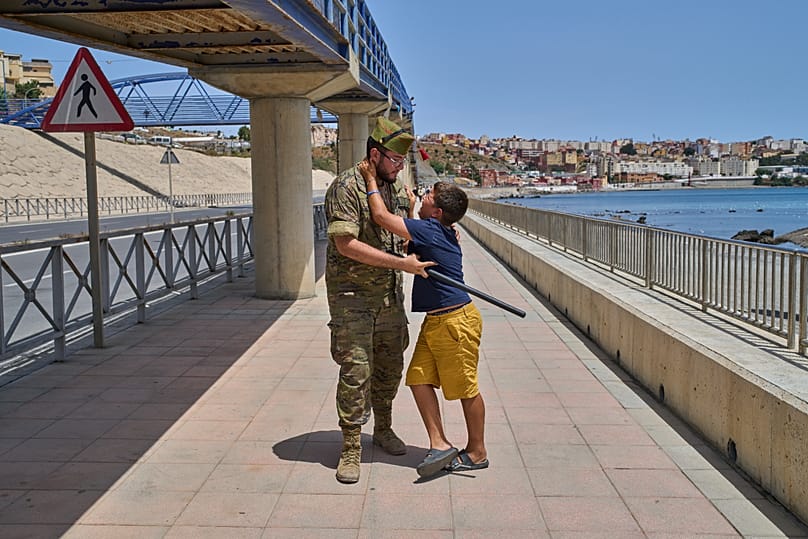
Migration is a hot-button issue, especially when displacements peak, such as the recent episode in the Spanish territory of Ceuta, which saw around 80,000 people cross the border from Morocco in just 48 hours at the end of July.
 ADVERTISEMENT
ADVERTISEMENT
ADVERTISEMENT
Despite the global number of refugees falling by 3% in 2025 compared to the end of 2024, according to the UN Refugee Agency, UNHCR, the issue remains firmly on people's minds: Google searches on the topic have increased by 150% in the past five years.
While overall public support for offering refuge remains strong, there are still widespread doubts about whether the people claiming to be refugees are in actual need of protection, according to Ipsos Global Attitudes Towards Refugees 2026.
In general, among EU countries, support for refugees is strongest in Sweden, the Netherlands, and Spain, with almost eight in 10 people agreeing that people should be able to seek refuge to escape from war or persecution.
In contrast, those in Hungary and Poland tend to show the least support among EU countries, at 54% each.
Opinions on how countries should deal with refugees vary significantly. For instance, more than half of the Hungarian, Belgian, and German respondents claim that their country should close the borders to refugees entirely and not accept any refugees at this time.
Some countries' positions have shifted over time, however: support for accepting refugees in France has climbed to 68%, up from 43% in 2019.
Do Europeans see most refugees as genuine?
Around 54% of German respondents believe many people claiming to be refugees are not genuine, as they say that these individuals appear to have adequate financial resources already, such as being able to pay smugglers or owning smartphones.
Meanwhile, 46% of Dutch respondents state that genuine refugees would seek asylum in the first safe country they reach, rather than travelling further to other countries.
In addition, more than six in 10 respondents in Germany and Ireland believe that most refugees just want to come to their countries for economic reasons or to take advantage of the country's welfare services, while respondents in Sweden and Italy tend to agree the least with that idea.
Who do EU citizens think should assist refugees?
Three in 10 German respondents believe the governments of other wealthier nations should contribute more to assist refugees globally.
Meanwhile, the rest of the countries say that international organisations, such as the United Nations and the World Bank, should be the ones contributing more to assist refugees globally.
While not as prevalent, some respondents also support the idea that foundations and non-governmental organisations that fund charitable causes should do more to support refugee funding.