





























The so-called "frugal" member states are asking a significant reduction in spending ahead of the EU's upcoming 2028-2034 budget.
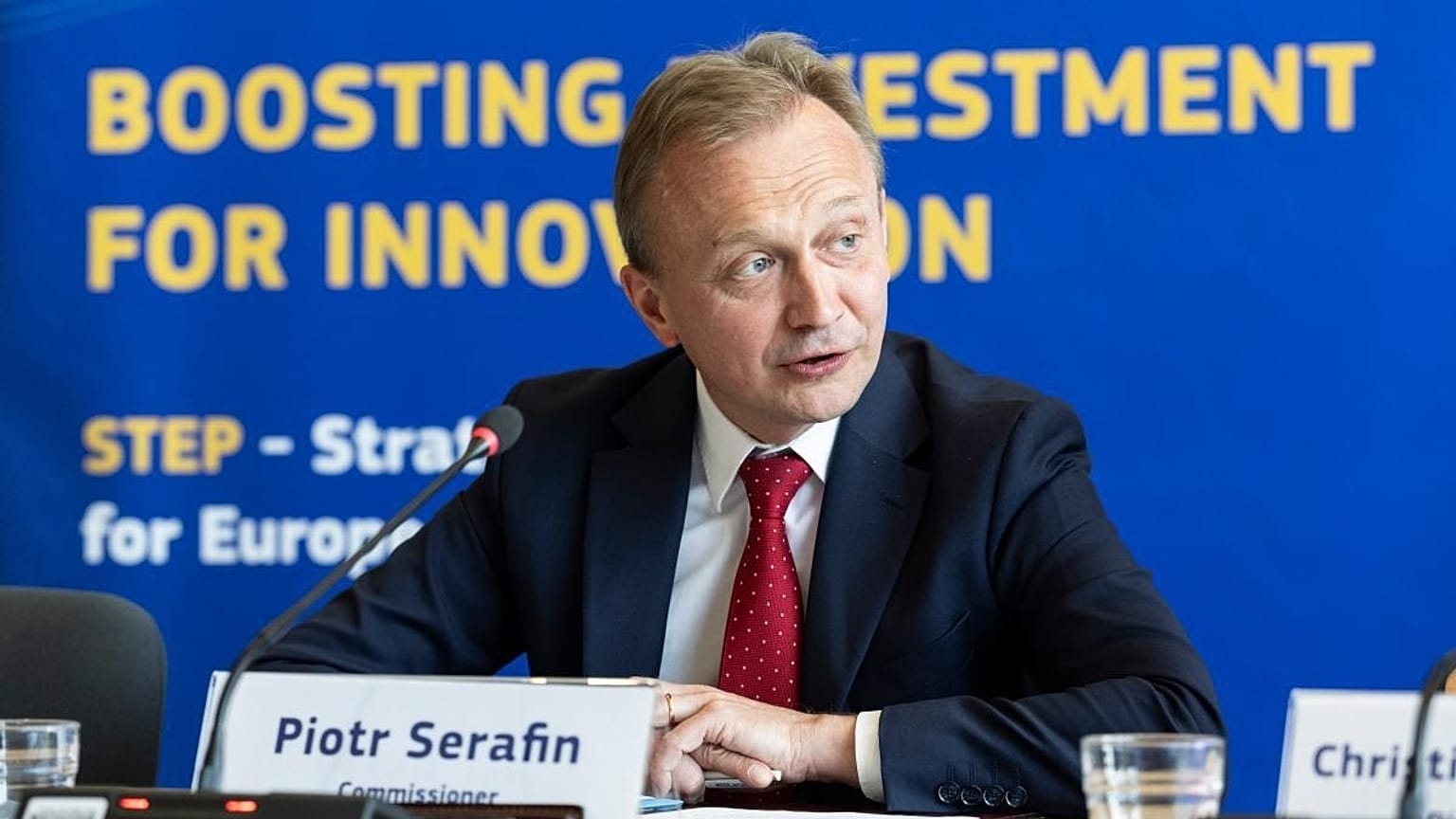
Further cuts and lack of ambition in new revenues to the upcoming EU long-term budget would not necessarily make the EU cheaper for taxpayers, European Commissioner for Budget Piotr Serafin said on Thursday, in a message to the so-called “frugal” countries that are seeking to reduce the EU long-term budget.
 ADVERTISEMENT
ADVERTISEMENT
ADVERTISEMENT
The €2 trillion budget for the period 2028-2034 was proposed by the European Commission in July 2025 and is currently being negotiated among the member states.
Germany, the Netherlands, Denmark, Sweden, Finland and Austria have a firm negotiating position of reducing the proposed spending, and are reluctant to find new forms of revenue.
This is opposed by a group of 16 countries from southern and eastern Europe who in late May asked an increase in the spending for agriculture and regional funds, already significantly reduced in the Commission's proposal of July 2025. They called themselves the "friends of cohesion".
The frugals, who have tried to rebrand themselves as the "modernisers", were criticised by Serafin on Thursday during a speech at the annual budget conference in Brussels.
“We need to be mindful of the link between having a frugal budget and having a modern budget,” Serafin said during the event.
“The truth is that a more frugal budget may not necessarily be more modern,” the Commissioner said, explaining that a reduced budget could undermine some aspects of modernisation.
“A frugal EU budget may not necessarily be cheaper for EU taxpayers,” he said, referring to the fact that strategic investments such as in defence and security, if not coming from the EU budget, would come from national budget spending.
According to the Commissioner, relying more on national budgets rather than going together with the EU budget would eventually mean more occasions for duplication, inefficiencies, and fewer opportunities for economies to scale up.
The member states reached a draft budget compromise text in mid-June. A compromise between the positions of the frugals and the friends of cohesion, it proposed a cut of €32.8 billion to the European Commission's initial proposal.
According to several sources familiar with the negotiations who talked with Euronews in condition of anonymity, the latest text is considered a first step towards further negotiations, with finalised numbers not expected to be on the table until at least December.
The negotiators' goal is to reach an agreement by the end of 2026 to avoid prolonging the discussions into 2027, a key election years for several European countries, among them Italy, France, and Poland.