




























Advertising for junk food, alcohol and gambling during the match live coverage of the World Cup occupied almost a quarter of the tournament’s total live broadcast time, a new study has found.
Did you follow the 2026 World Cup on television? If so, you may have seen an advert for unhealthy food, alcohol or gambling every seven seconds, according to a new study.
 ADVERTISEMENT
ADVERTISEMENT
ADVERTISEMENT
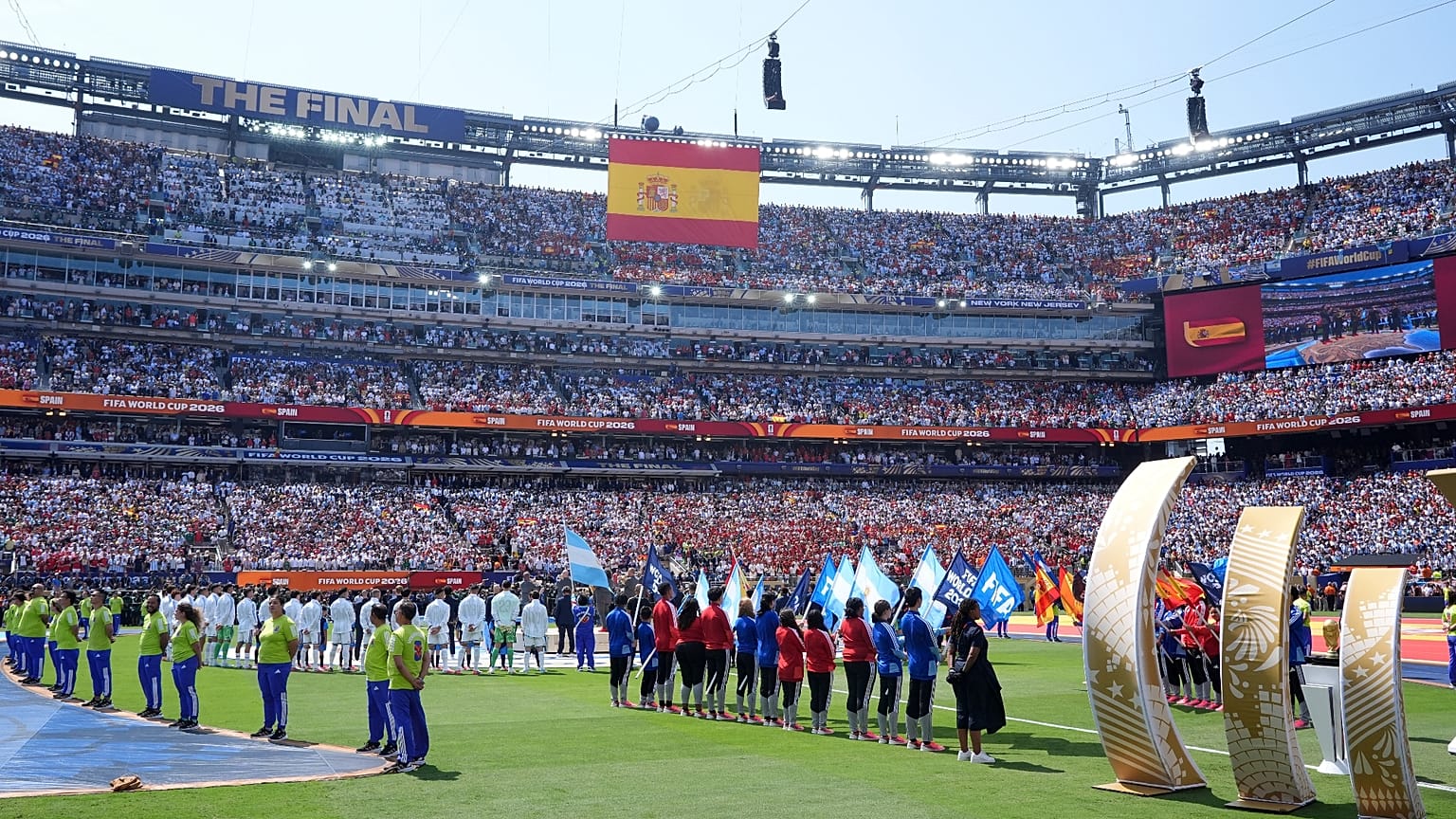
More than 93,000 ads for products potentially harmful to human health were broadcast during coverage of the largest FIFA World Cup to date, with approximately six billion people engaging with the 2026 tournament across television, streaming, digital and social media platforms. Such advertising was visible for 39.3 hours of live play — almost a quarter of the tournament’s total live broadcast time.
“This is particularly concerning given the substantial body of evidence linking marketing for unhealthy products, alcohol and gambling with increased consumption and a range of health, social and financial harms, especially among children and young people,” said Raffaello Rossi, co-author of the study from the University of Bristol.
Researchers at the University of Bristol and the University of Oxford in the United Kingdom analysed all 172.6 hours of live play across the tournament’s 104 matches using the UK’s most powerful supercomputer, Isambard-AI, based at Bristol.
"As one of the world’s most watched sporting events, reaching billions of people, this year’s FIFA World Cup provided an unparalleled platform for advertising,” added Rossi.
The analysis counted only advertising built into the match live coverage, such as those appearing on billboards, meaning viewers could not avoid them while following the game.
On average, viewers saw nine logos for brands associated with health or financial harm per minute of live play.
What were the main products advertised?
While all ads identified were associated with products with the potential to harm human health, not all of them occupied the same amount of space during the games.
Unhealthy food and drink brands accounted for more than seven in ten appearances, with 65,722 in total. Their combined visibility was 28.1 hours, equivalent to 16.3% of all live play. The researchers noted that this is particularly worrying as unhealthy diets are a major preventable driver of noncommunicable diseases such as heart disease, stroke, cancer, and diabetes.
“We are facing a global crisis of childhood obesity and diet-related disease, yet the world’s biggest sporting event is saturated with marketing for unhealthy food and drinks,” said Elisa Becker, co-author of the study at Oxford.
“Sport should be part of the solution to poor health – not one of the world’s most powerful advertising platforms for the products driving it.”
Prediction markets were the second-largest category, with 9,360 logos and 8.8 hours of screen time, followed by alcohol which accounted for 9,266 logos and 8.2 hours of screen time and gambling with 6,429 gambling logos and 4.2 hours.
Alcohol consumption is another leading cause of noncommunicable diseases, while gambling can lead to a variety of harms which may be financial, physical, emotional or social, the authors noted.
While there is no specific data for reach across the world, the study analysed data from 53 broadcasts in the UK and found that harmful commodity advertising generated an estimated 267 billion impressions.
According to the researchers, the study shows how the tournament acted as a “powerful platform for promoting products associated with some of the world's leading causes of preventable illness and harm”.