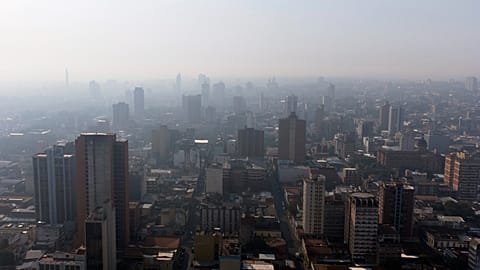
















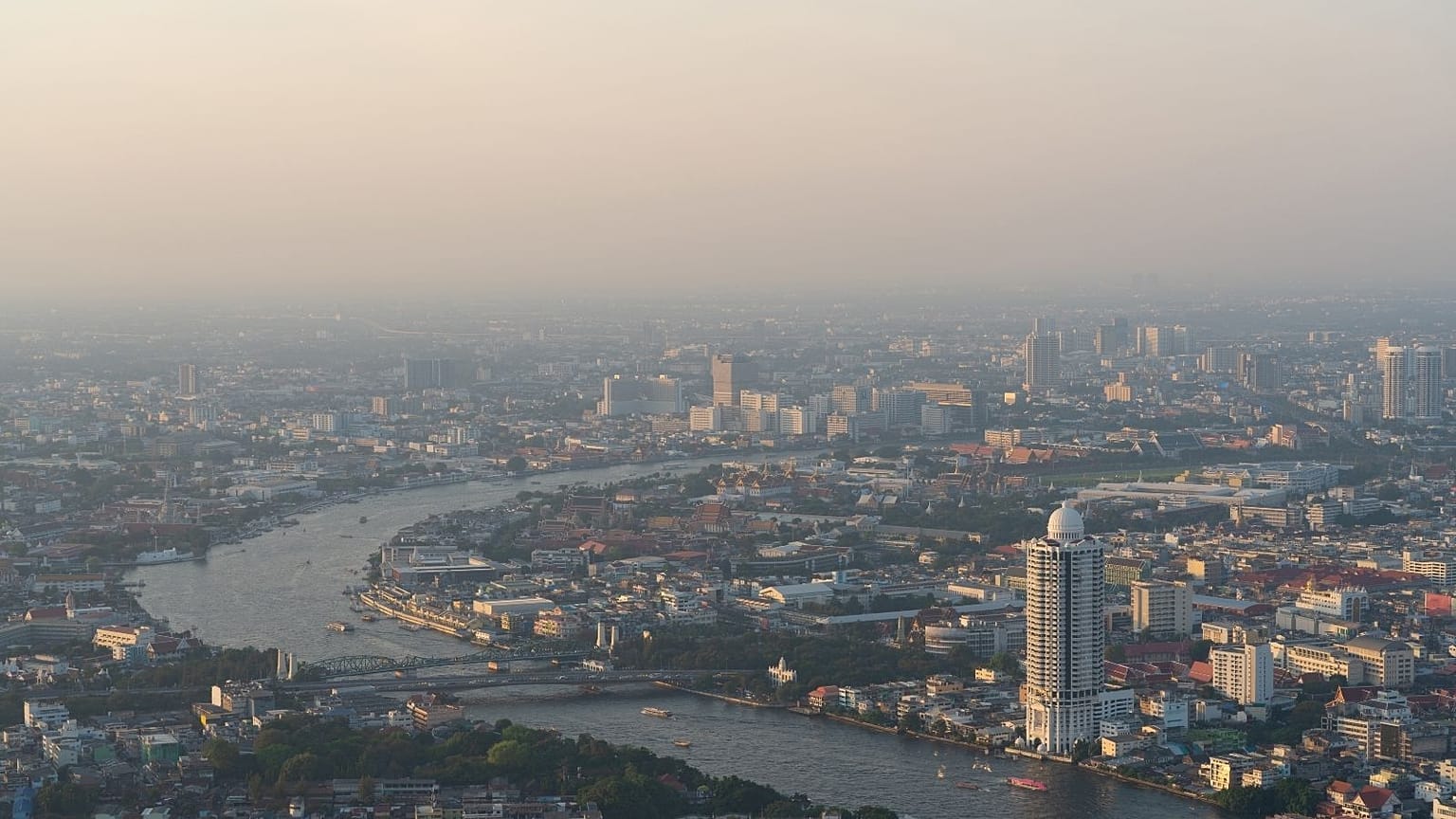













Short- and long-term exposure to air pollution may contribute to a higher risk of suicidal thoughts and death by suicide, according to a new analysis.
Exposure to polluted air may increase the risk of suicidal ideation and death by suicide both in the short and long term, highlighting the influence of environmental factors on people’s health.
 ADVERTISEMENT
ADVERTISEMENT
ADVERTISEMENT
A new analysis, published in the Journal of Epidemiology & Community Health, found evidence that short-term exposure to small particulate matter (PM2.5 and PM10), as well as long-term exposure to nitrogen dioxide (NO2) and PM2.5, increases the risk of death by suicide, suicide attempts and suicidal ideation.
Researchers analysed more than 40 studies examining different types of air, noise, light and water pollution, and their relationship with death by suicide, suicide attempts and suicidal thoughts.
Over 720,000 people die by suicide globally every year. In the European Union, more than 48,000 people died as a result of intentional self-harm in 2023, according to the latest Eurostat data.
“While there is no one single cause for suicide, reasons have been described as multifaceted and include several individual and biological factors in addition to wider cultural and social factors,” the authors wrote.
These findings contribute to a broader understanding of the role environmental exposures play in suicide risk, the authors noted. Yet, the environmental risks remain not fully understood, they noted.
How does the environment influence health?
The analysis points to possible mechanisms connecting air pollution and suicide. For example, air and water pollution have been linked to neurological effects, including chronic inflammation and neurotoxicity, which can harm brain function and influence mood and stress resilience.
Traffic and other sources of environmental noise and light pollution have also been linked to higher stress levels via circadian rhythm disruption.
“The main contribution of the study is not to demonstrate that pollution is a causal factor in suicidal behaviour, but rather to remind us that psychological suffering always occurs within a particular context,” said Susana Al-Halabí, a psychology professor at the University of Oviedo in Spain, who did not participate in the study.
She added that pollutants can also be a maker of more vulnerable social environments, such as neighbourhoods with poorer living conditions, lower environmental quality, more everyday stress or higher levels of inequality.
According to the authors, further research should investigate the cumulative effect of these environmental exposures to better understand their role in shaping suicide risk.
“These findings bring to attention the critical importance of recognising environmental exposures as modifiable risk factors within suicide prevention efforts,” they wrote.
If you are contemplating suicide and need to talk, please reach out to Befrienders Worldwide, an international organisation with helplines in 32 countries. Visit befrienders.org to find the telephone number for your location.