












The thieves distracted security forces with a false alarm on the outskirts of Villena and stole the museum's 59 prehistoric pieces in under four minutes.
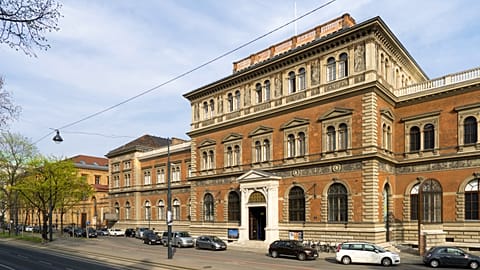
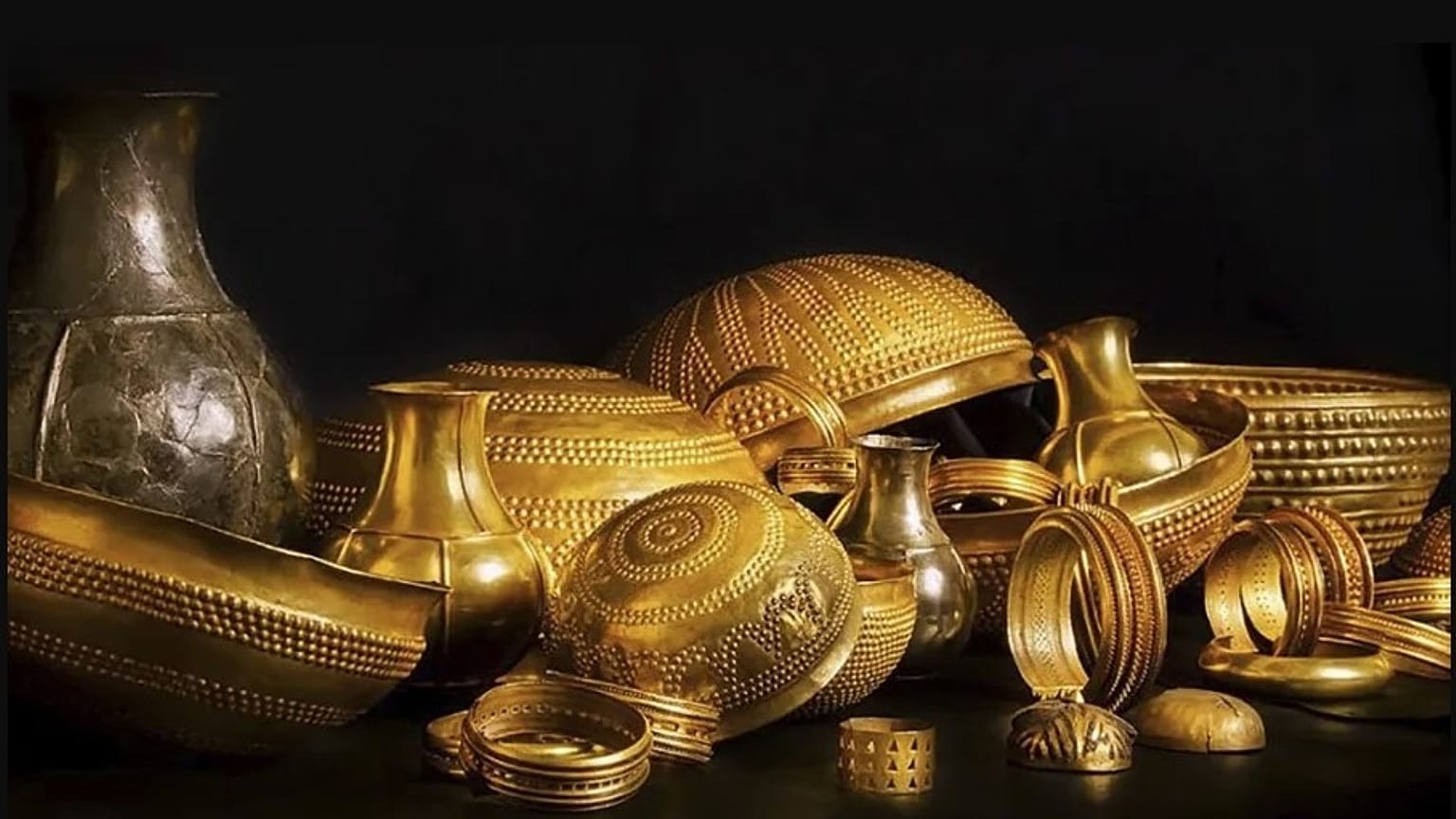
The Villena Treasure, one of the most valuable Bronze Age goldwork collections in Europe, was stolen in the early hours of this morning from the Villena Museum (MUVI) in Alicante.
 ADVERTISEMENT
ADVERTISEMENT
ADVERTISEMENT
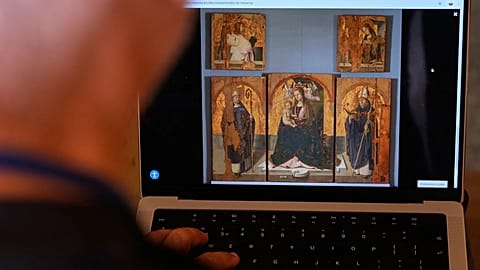
In barely four minutes, intruders slipped past the museum’s night-time security and made off with much of its main draw: 59 pieces of gold, silver, iron and amber, dated to the Late Bronze Age. They also stole three crowns of the Virgin and Child held by the museum.
The Civil Guard and local police are investigating the theft, which, according to initial evidence, appears to have been carried out in a coordinated, carefully planned operation by professionals. The material value of the stolen pieces could exceed 1.5 million euros.
Everything points to a professional, perfectly organised gang
The robbery began with a diversionary tactic. At 5:16, the alarm at the municipal sports centre on the outskirts of Villena forced the security forces to head there. Four minutes later, at 5:20, the alarms at the MUVI went off. When officers arrived, at 5:24, the intruders had already fled, Villena’s mayor Fulgencio Cerdán reported.
At first they tried to enter through the main door but, when they failed, they turned to the side windows, despite their security systems and reinforced glass. The way they operated leads investigators to believe this was not an improvised theft: everything points to a professional, perfectly organised gang.
Cerdán, deeply shaken by the theft, said that only three silver vessels, a bracelet and part of the staff’s decorations remain, as well as one of the four crowns that "fell" from the thieves as they escaped.
The discovery of the treasure
Archaeologist José María Soler and his team discovered the Villena Treasure in December 1963, hidden inside a vessel buried in the bed of a dry stream in the municipality.
The story had begun a few months earlier. In October 1963, a bracelet from the Morrón mountains ended up among the material used on a building site in Ferriz Street, where it was initially mistaken for a lorry engine part.
The piece came into the hands of jeweller Carlos Miguel Esquembre, who consulted archaeologist José María Soler. Identifying it made it possible to begin excavations and, on 1 December, the treasure emerged: 59 pieces of gold, silver, iron and amber, weighing close to ten kilos, which would go on to become one of the major Bronze Age discoveries in Europe.