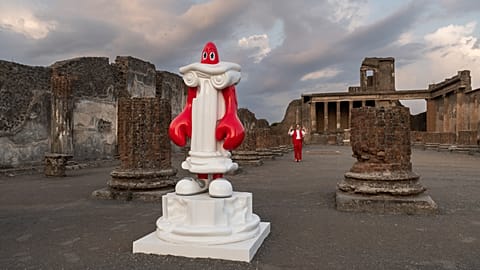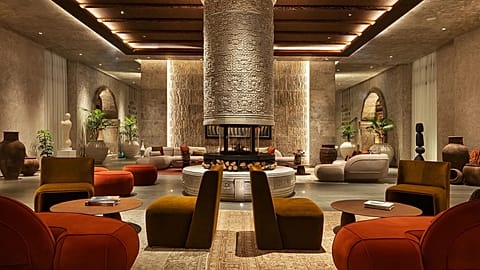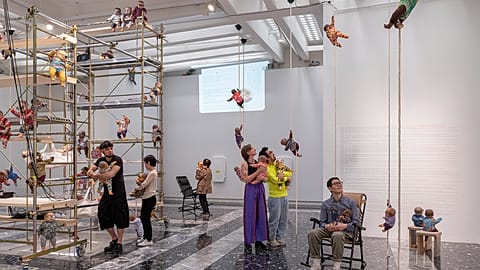














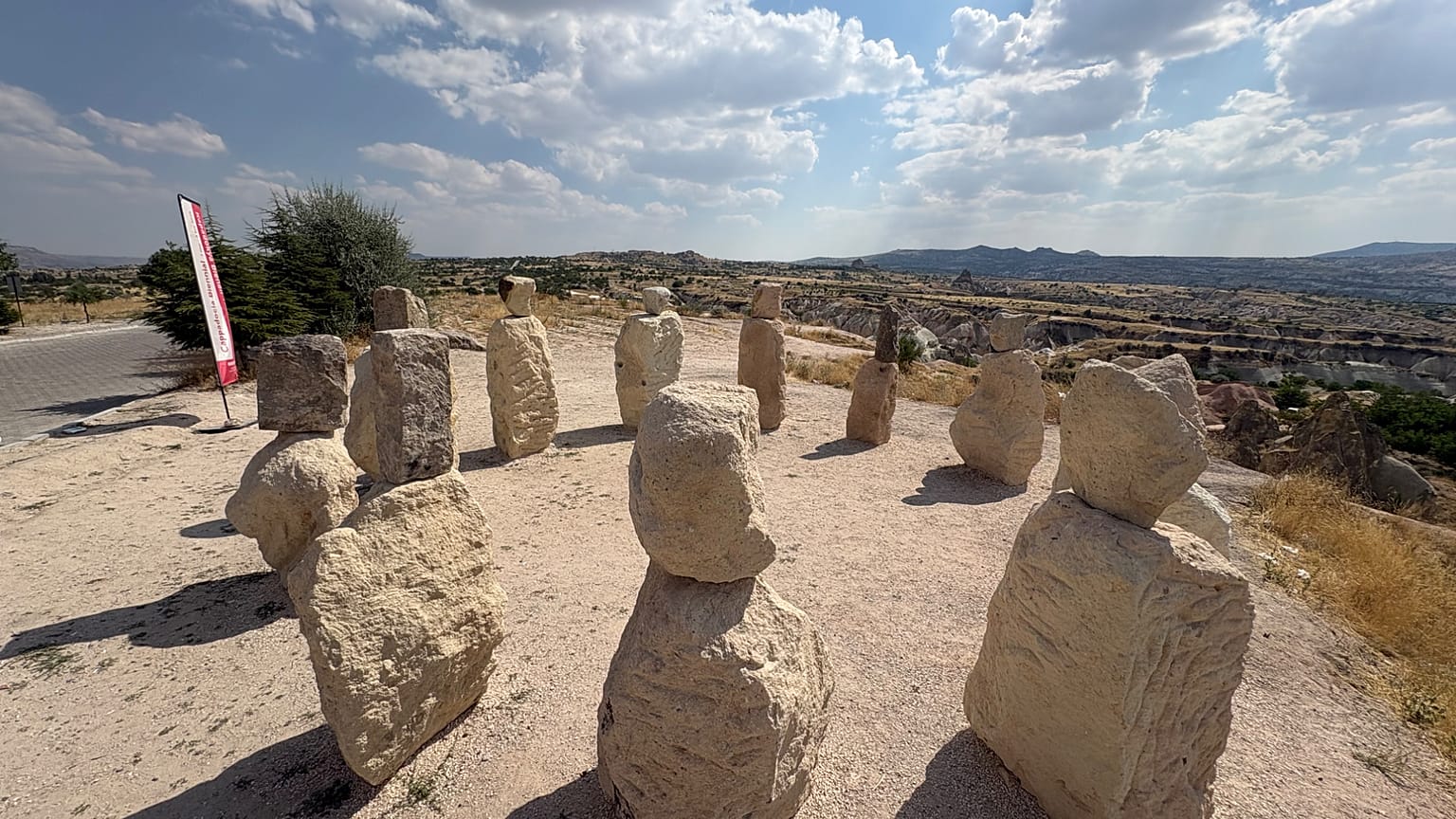













The first Cappadocia Biennial, built around the theme "Birth", stands out for keeping its works rooted in the Turkish region's natural and historical landscape.
This year, Cappadocia is attracting attention not only with its unique landscape that welcomes millions of people, but also with the space it's opening up for contemporary art.
 ADVERTISEMENT
ADVERTISEMENT
ADVERTISEMENT
The first Cappadocia Biennial, spread across different parts of the region, takes visitors beyond a traditional exhibition by placing art within valleys, rock-hewn structures and settlements bearing the traces of centuries. In this way, the biennial turns from an event where works are simply viewed into a route that is lived by walking and experienced by exploring.
Extending across Göreme, Ürgüp, Avanos, Uçhisar, Ortahisar, Mustafapaşa and Kayaşehir in Nevşehir, the biennial transforms Cappadocia's natural and historical fabric into an exhibition space. This choice makes it almost impossible to think about the works independently of their surroundings. Works encountered inside a cave, between stone walls or in the silence of the valleys carry not only their own narratives but also the memory of the place.
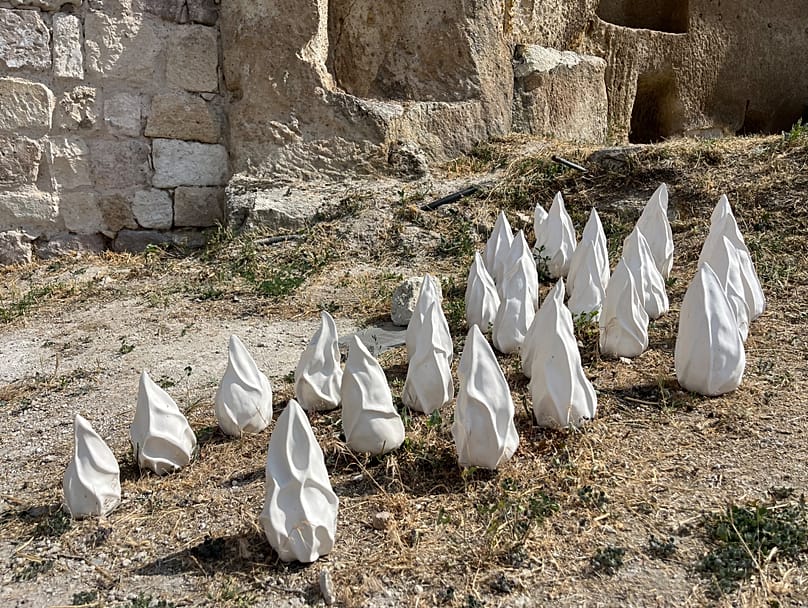
The biennial, brought to life by the creative art collective Sinemasal, takes the theme of "Birth" in its first edition as a metaphor for individual and social transformation. Its curatorial approach invites us to see art not merely as a field of aesthetic expression, but to think about and seek solutions to issues such as natural disasters, wars, economic crises, migration and inequality. Basic needs such as housing, food, education and healthcare also become one of the shared areas of discussion within the works.
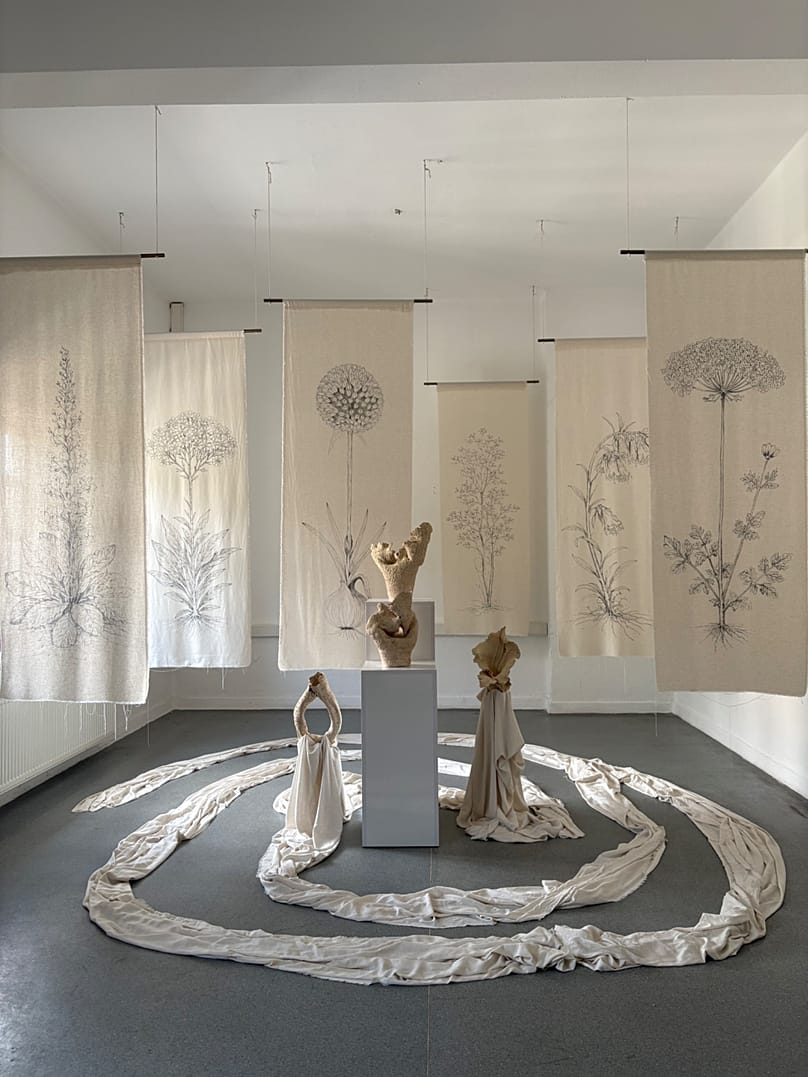
One of the most striking aspects when visiting the biennial is that the theme of "Birth" is not confined to a single interpretation. Photographs, videos, installations, AI-assisted productions and works created with natural materials all approach the same concept from very different angles.
Some invite us to reflect on migration and belonging, while others focus on nature, the memory of stone or the human imagination. Thus, at every stop, visitors encounter a different layer of the same theme.
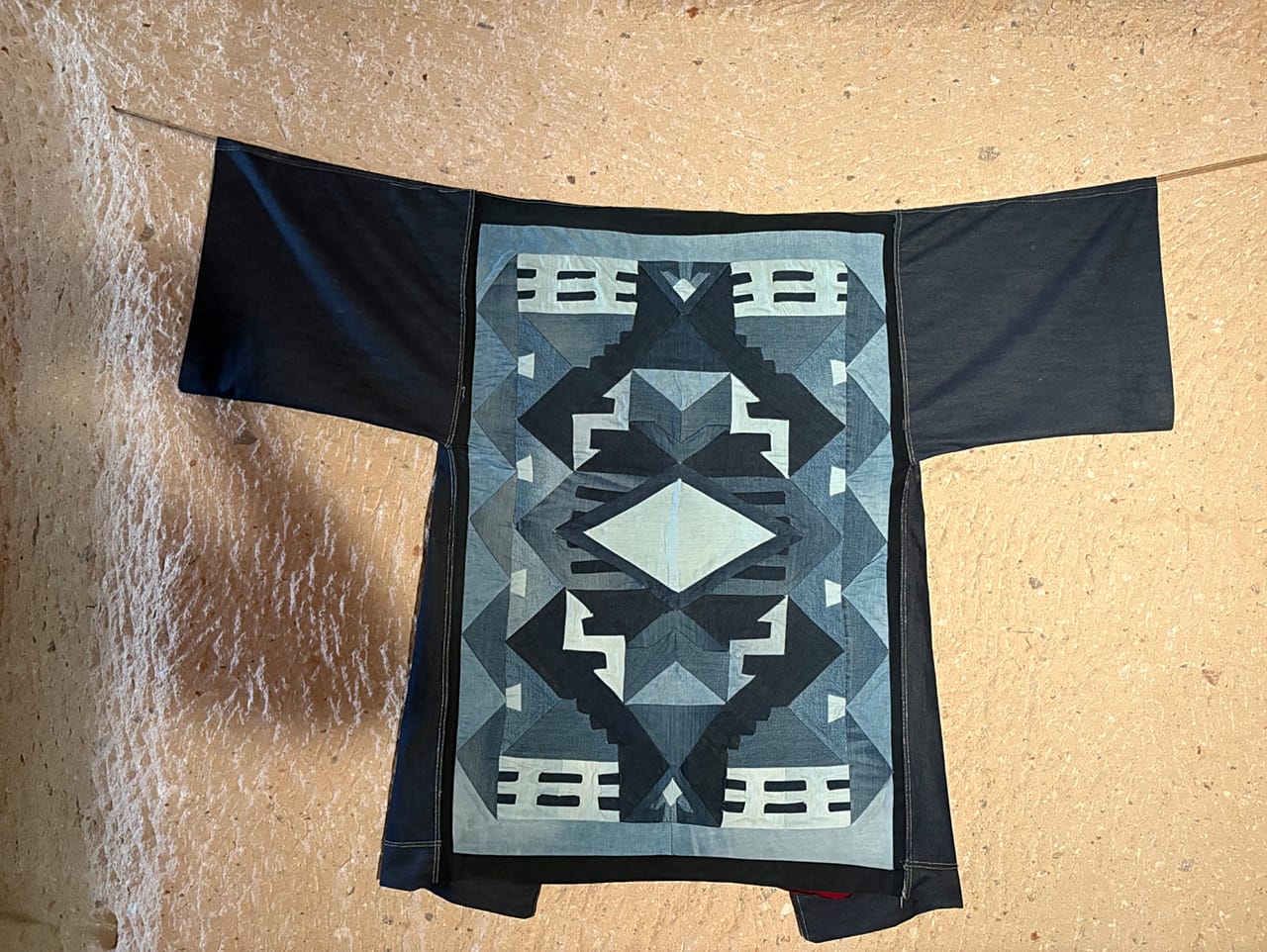
Cappadocia itself becomes an important part of this narrative. The region's timeless feel, its caves, stone structures and natural landscape do not simply provide a backdrop surrounding the works; they become an element that completes them.
Many pieces establish such a strong spatial relationship that they would not have the same impact if moved to another setting. This is precisely where one of the biennial's strongest aspects comes to the fore: the works do not merely borrow Cappadocia's spirit, they coexist with it.
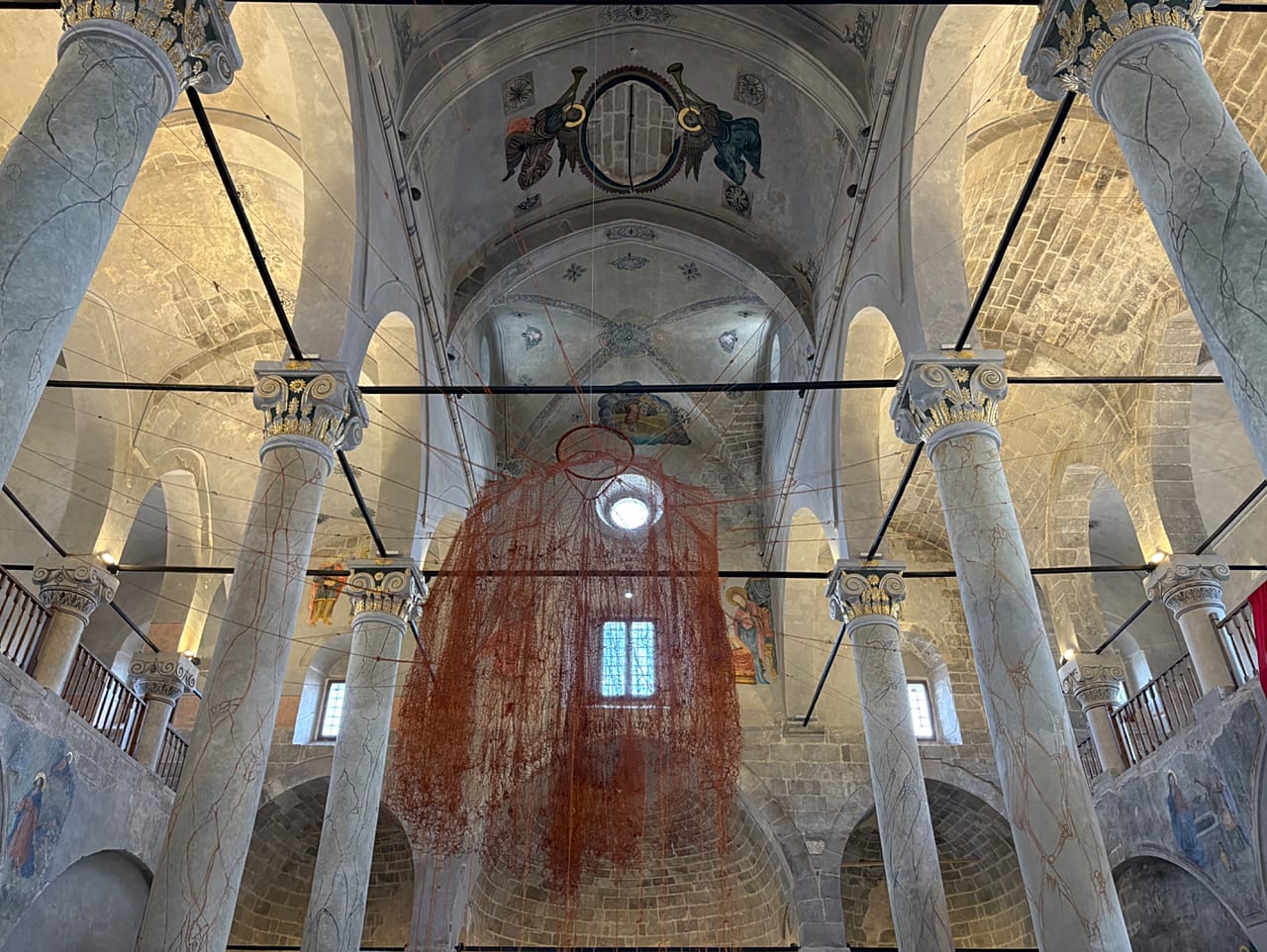
Interactive works are also among the elements that reinforce this experience. In some pieces, the audience ceases to be merely observers and becomes part of the production or the narrative. This ensures that the participatory approach advocated by the biennial does not remain at the level of theory, but is directly reflected in the visitor's experience.
Cappadocia is already one of Türkiye's most popular tourist destinations. By adding a new layer to the region, the biennial has enormous potential to strengthen cultural tourism. Encountering artworks while walking through the valleys feels less like visiting an exhibition and more like following a route of discovery. In this respect, the biennial suggests rereading Cappadocia not only through its natural beauty, but also through the relationship it builds with contemporary art.
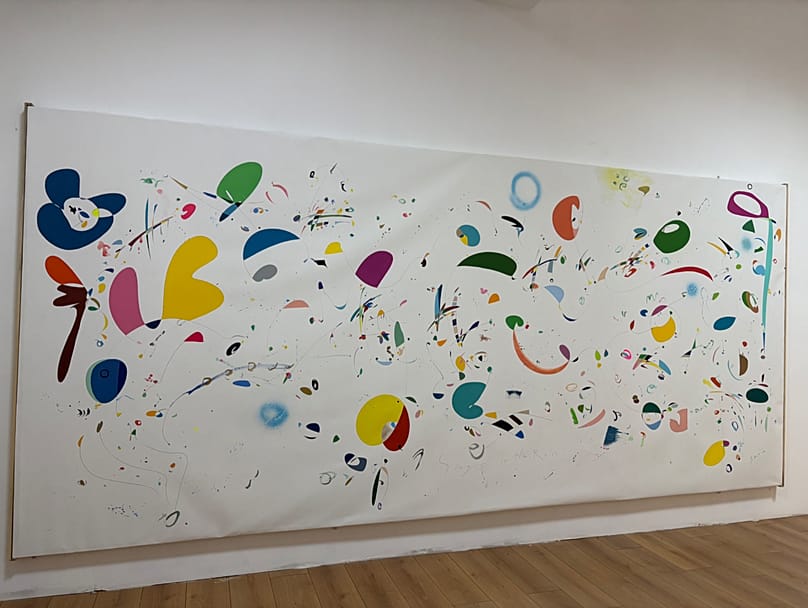
With its first edition, the Cappadocia Biennial has made a very strong start with its choice of venues and experience-oriented approach. If it can increase its international visibility in the coming years, it looks set to seal its place among Türkiye's new biennials, but also become a major international meeting point where contemporary art and cultural heritage come together on the same ground.
The Cappadocia Biennale continues until 3 September 2026.