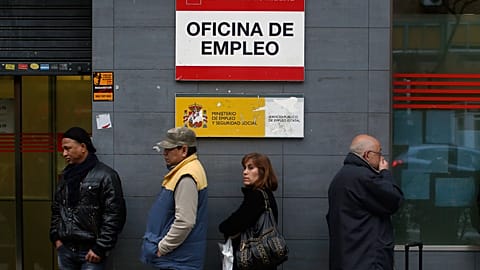
















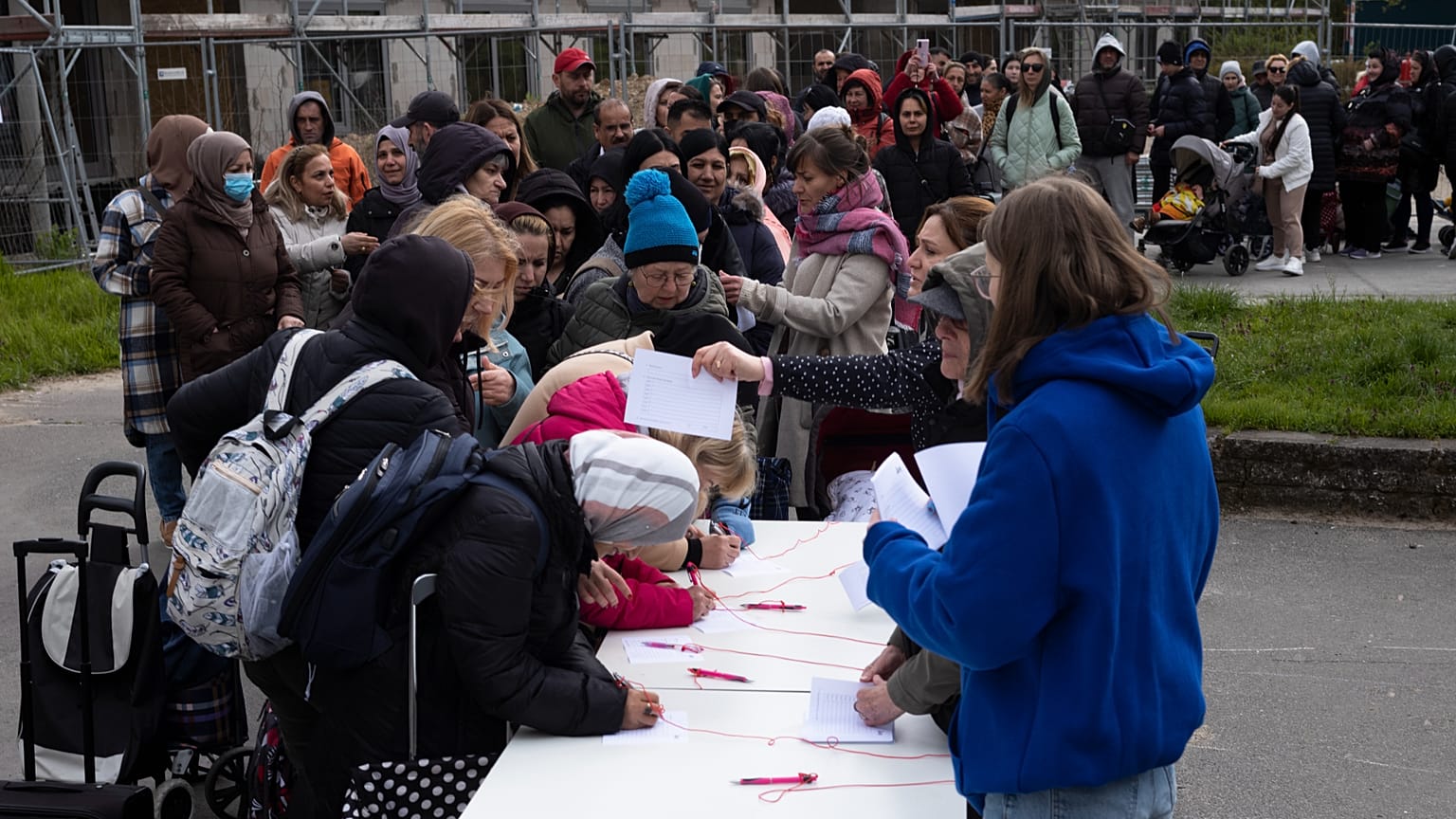













Ireland and Romania are among Europe's most generous countries, according to a recent report measuring both the share of people who give and the proportion of their income they donate.
Nearly six in ten Europeans gave money to good causes in 2025, either by directly helping people in need, donating to charity or giving for religious reasons. This is according to the World Giving Report by the Charities Aid Foundation (CAF).
 ADVERTISEMENT
ADVERTISEMENT
ADVERTISEMENT
In its latest global report, CAF surveyed 60,443 people in 105 countries between 5 January and 18 February 2026 about giving throughout 2025, with nationally representative country samples generally ranging from 250 to 1,000 adults.
According to the findings, the most generous European countries included Ireland and Romania. Looking specifically at charitable giving, Ireland and the Netherlands had the highest shares of people donating to charity. Romania also ranked among the highest when measured by the proportion of income given, with charitable donations averaging around 0.4% of income in all three countries.
According to CAF’s data, more than two-thirds of people in Ireland were charity donors in 2025, slightly more than in the Netherlands.
Romania presents a radically different picture: only 27% gave to charity, yet charitable donations averaged 0.4% of income.
When examining how much countries give overall, including religious causes and direct donations to people in need, the survey found that Romania climbed to the top of the EU ranking, with donations averaging 0.9% of income. It was followed by Croatia with 0.8% and Ireland with 0.7%.
Total donations as a proportion of income were lowest in Latvia, while those given specifically to charities were lowest in Hungary and Slovakia.
No EU country makes the world's top 10 for generosity
Overall donations in the bloc’s three largest economies — Germany, France and Italy — averaged just 0.4% of income in 2025.
Europe is the least generous continent when giving is measured as a share of income, despite being overwhelmingly made up of high-income economies. Europeans donated an average of 0.6% of their income, compared with a global average of 1%.
Outside the EU, Ukraine stands out, with 61% of people giving money and donations averaging 1.2% of income.
According to the report, there is a strong relationship between how much people donate in a country and how strongly they feel a sense of belonging to their local community.
Countries where more than 80% of the population feel a strong sense of belonging give, on average, three times as much as countries where fewer than half of people feel this way.
Who do Europeans give to and what causes do they support?
In Europe, giving to charities was the most common route, with 38% of people donating this way. Another 26% gave directly to people in need, while 14% gave to religious organisations or for religious reasons.
Globally, direct giving was the most common form, with 36% giving money directly to people in need.
More than one-fifth of donors, 22%, supported charities that work across multiple countries. Europeans also favour international charities, with Norway and Sweden being the only countries where more than half of donors supported organisations working internationally.
For Europeans, the most widely supported cause was children and young people, backed by 29% of people who donated.
Global rankings
The difference between the most and least generous countries is striking.
According to the report, Nigeria pocketed the top spot as the world’s most generous country, with people giving an average of 2.8% of their income to charities, religious causes or directly to people in need.
The contrast with Europe is particularly striking: all of the global top 10 are low-income or lower-middle-income countries, while Europe recorded the lowest average giving as a share of income of any continent.
Eight of the top 10 most generous countries are located in Africa, while two are in Asia. In these countries, 80% of people donated, compared with the global average of 61%, while they gave an average of 2.1% of their income — more than double the global average of 1%.
Donors in these countries gave nearly half, or 45%, of the money they donated directly to people and families in need.
At the other end of the scale is Japan, where people donated an average 0.2% of their income — the lowest proportion among the 105 countries surveyed.
The economic gap between the two countries is striking: Japan's nominal GDP per capita is roughly 28 times Nigeria's.
Japan also recorded the lowest level of trust in charities among the countries surveyed, with an average trust score of five out of 10. Only 15% of people in Japan donated specifically to charity in 2025.
The survey found that two in five people who did not donate said it was because they could not afford it. At 39%, this was by far the leading reason for not giving. The report also found that those living in high-income countries were the most likely to say they could not afford to give, at 44%, compared with 37% in other countries.
The second most common reason for not donating was preferring to offer support in other ways, cited by 17%. Among this group, most said that they had given goods, volunteered or fundraised.