




























Planned investment for the next three years is falling even as AI cements its role as a crucial economic driver. Nine in ten Spanish companies plan to invest in AI.
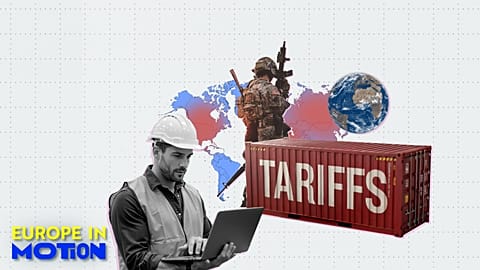
Reindustrialisation is no longer just a statement of intent. Three out of four large European and US companies already have a strategy under way. According to the latest data collected in the report “The return of industry: reindustrialisation strategies in Europe and the United States (source in Spanish)”, produced by the Capgemini Research Institute, 73% of European and US companies already have at least one such plan in operation, compared with 59% in 2024. The figure is even higher in Spain, where 76% of companies have a reindustrialisation strategy up and running.
 ADVERTISEMENT
ADVERTISEMENT
ADVERTISEMENT
However, the money on the table has collapsed: from the 4.7 trillion dollars planned last year to barely 2.5 trillion for the next three years. Yet despite these figures, the conclusion is not negative. The reduction in investment has not been withdrawn; instead, the report notes, it has been fine-tuned towards models that are “more selective and less capital-intensive”.
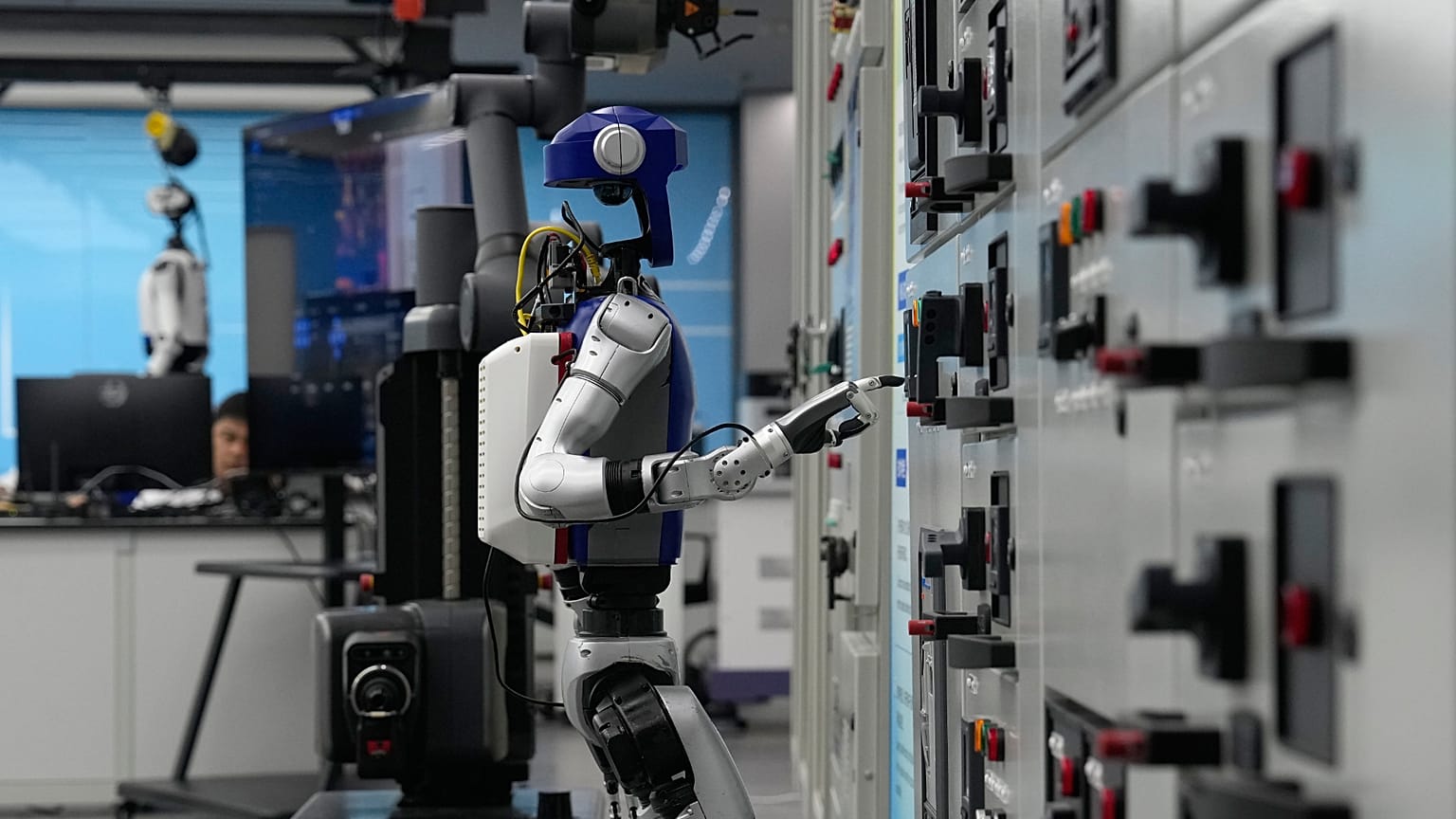
Most companies are no longer seeking only immediate returns, but to avoid relying on supply chains that can break from one day to the next. 86% now prioritise the resilience of their production chain over short-term profit. And to ensure that producing closer to home does not become prohibitively expensive, 87% plan to invest in artificial intelligence (AI), automation and digital twins.
The United States brings industry home as Europe looks outwards
The reindustrialisation landscape is far from uniform. While the United States is stepping up the return of factories to its own soil (reshoring), Europe is increasingly choosing to manufacture in allied countries (friendshoring). In both cases, countries such as India, Vietnam, Mexico and Canada are gaining ground as alternative destinations to China, although more than half of companies have no intention of pulling out of the Chinese market. The aim is not to cut ties with anyone, but to spread risk more evenly.
Within this context, Spain stands out as one of the most striking cases in the report. Two years ago, only 45% of Spanish companies had a defined reindustrialisation strategy. Today that share has risen to 76%. 85% of Spanish executives acknowledge that geopolitical pressure is what has pushed them to act, and 60% are sticking to their plans even if costs rise in the short term.