












The inventory of Antoni Gaudí's estate reveals that the legendary Spanish architect wished to devote all his assets, including his Parc Güell house and his savings, to financing the works of the iconic Sagrada Família.
The inventory of Antoni Gaudí's estate has been revealed a century after his death and it shows the architect's deep committment to the Sagrada Familia. His last wish was to dedicate all his assets, from his savings to his home in Parc Güell, to financing the construction of the temple.
 ADVERTISEMENT
The document, kept in the Arxiu Històric de Protocols de Barcelona, is a 1926 copy of the will that Gaudí signed in 1911 in Puigcerdà. The original disappeared in 1936, after the notary's office that held it burned down in the first months of the Civil War. Among the papers is also the certificate of last wills signed by Manuel Azaña, then a Justice official and future president of the Second Republic.
As the dean of the Col·legi Notarial de Catalunya, José Alberto Marín, has explained, notarial documents are subject to protocol secrecy, but they are considered historical records and become open to public consultation once 100 years have passed.

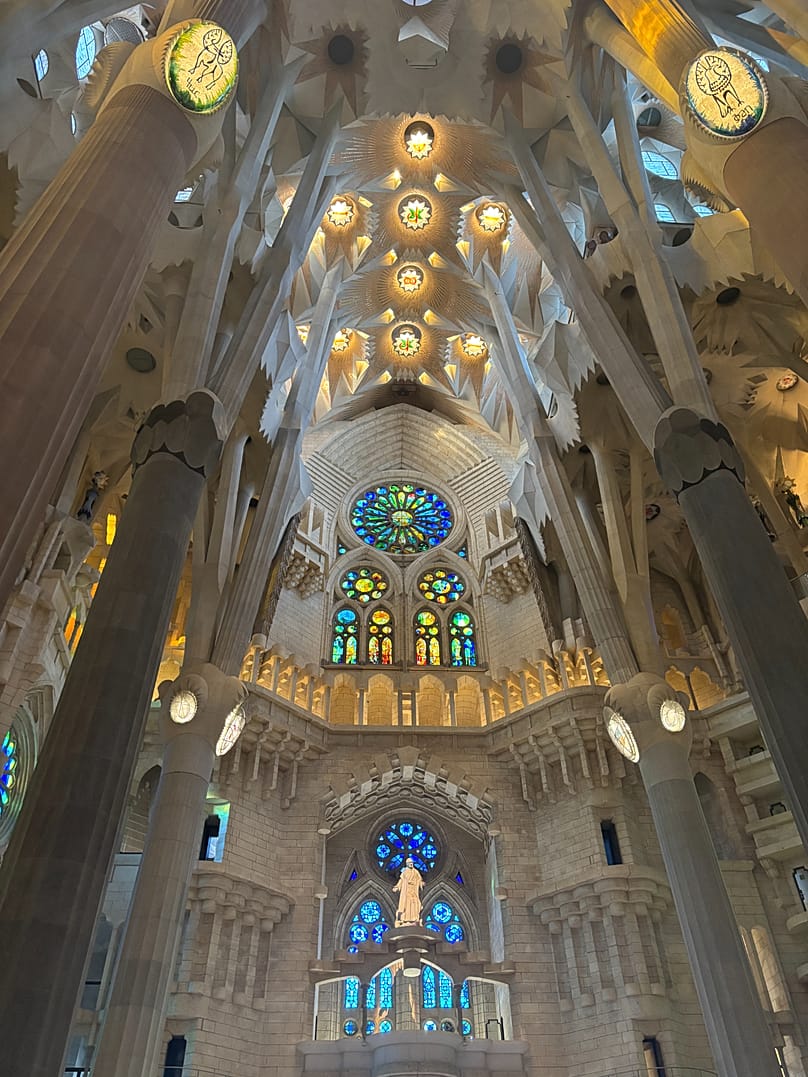
An inheritance in the service of the Sagrada Familia
The inventory makes it possible to identify the three trusted heirs appointed by Gaudí, a figure specific to Catalan succession law. They were the priest Gil Parés i Vilasau, chaplain custodian of the Sagrada Familia; the doctor Pere Santaló i Castellví, a close friend of the architect; and Domènec Sugrañes i Gras, an architect and Gaudí's disciple who would later take over the direction of the works on the temple.
The three appeared before notary Luis Rufasta and recorded that Gaudí's express wish was to sell all his assets and hand over the money raised to the construction of the basilica. Sugrañes acted in place of Francesc Berenguer i Mestres, a close collaborator of the architect who had died in 1914.
A modest fortune and a single property
The inventory shows the austerity with which Gaudí lived in his final years. His savings were split between two bank accounts: one with 1,870 pesetas at the Banco de España in Barcelona, and another with 1,121 pesetas in a savings book at Caixa de Pensions per a la Vellesa i d'Estalvis.
His only property was the house in Parc Güell, in the former municipality of Gràcia, which the executors valued at 45,000 pesetas for the purposes of a possible sale. According to estimates by the Col·legi Notarial de Catalunya, that sum would be equivalent today to around €150,000 and represented an ordinary level of wealth for the time.
The documents confirm Gaudí's limited attachment to material possessions and his determination to put all his resources at the service of the project to which he devoted much of his life.
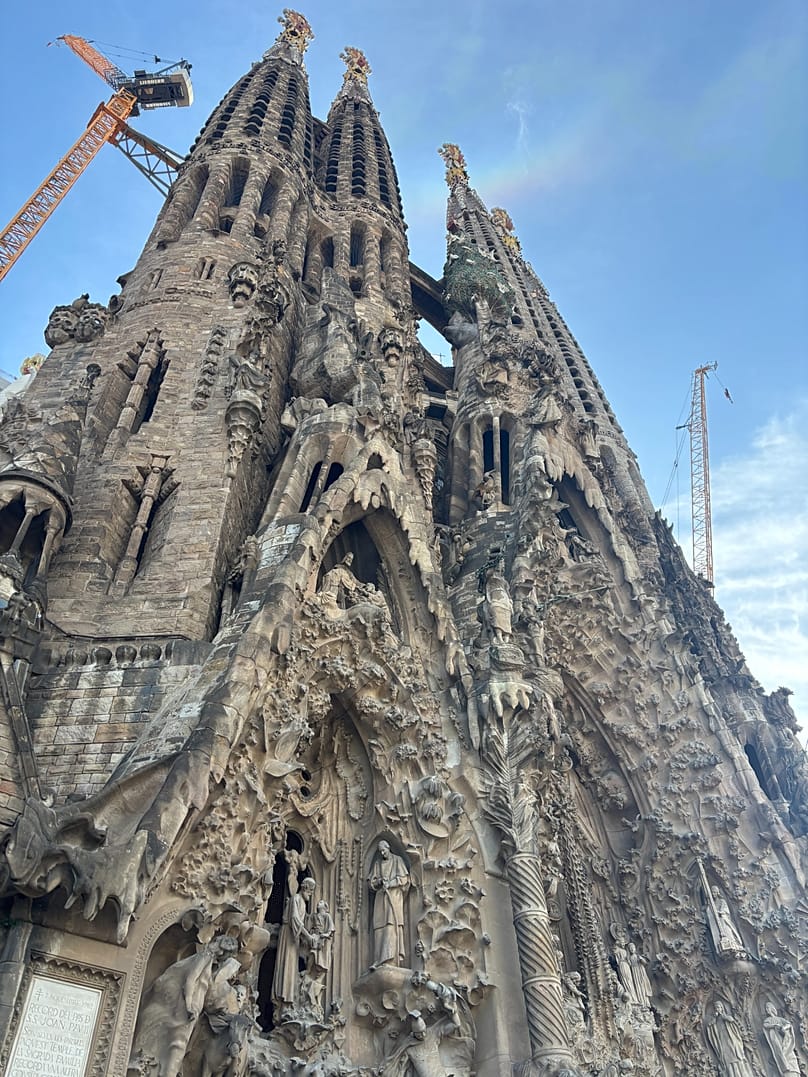
A document of particular historical value
The significance of the inventory goes beyond its financial content. The destruction of the original will in 1936 made this copy a key piece for reconstructing the architect's last wishes. In addition, the presence of Manuel Azaña's signature gives the document an element of particular historical interest.
After the legal period of 100 years has elapsed, the inventory will be available for consultation at the premises of the Col·legi Notarial de Catalunya, which has so far kept it in the Arxiu Històric de Protocols de Barcelona.
The archive also holds other documents linked to Gaudí and the Sagrada Familia, including the record of the laying of the basilica's first stone, signed before the architect took over the direction of the works.
Among its most recent holdings is also the document signed in June this year by the Pope Leo XIV and the Archbishop of Barcelona, Joan Josep Omella, which records the completion of the Tower of Jesus and the state of the works on the temple.