



















Lithuania's Social Climate Fund will renovate more than 40,000 homes to make them warmer in winter and less reliant on fossil fuels, targeting low-income households and those who rely on fossil fuels.
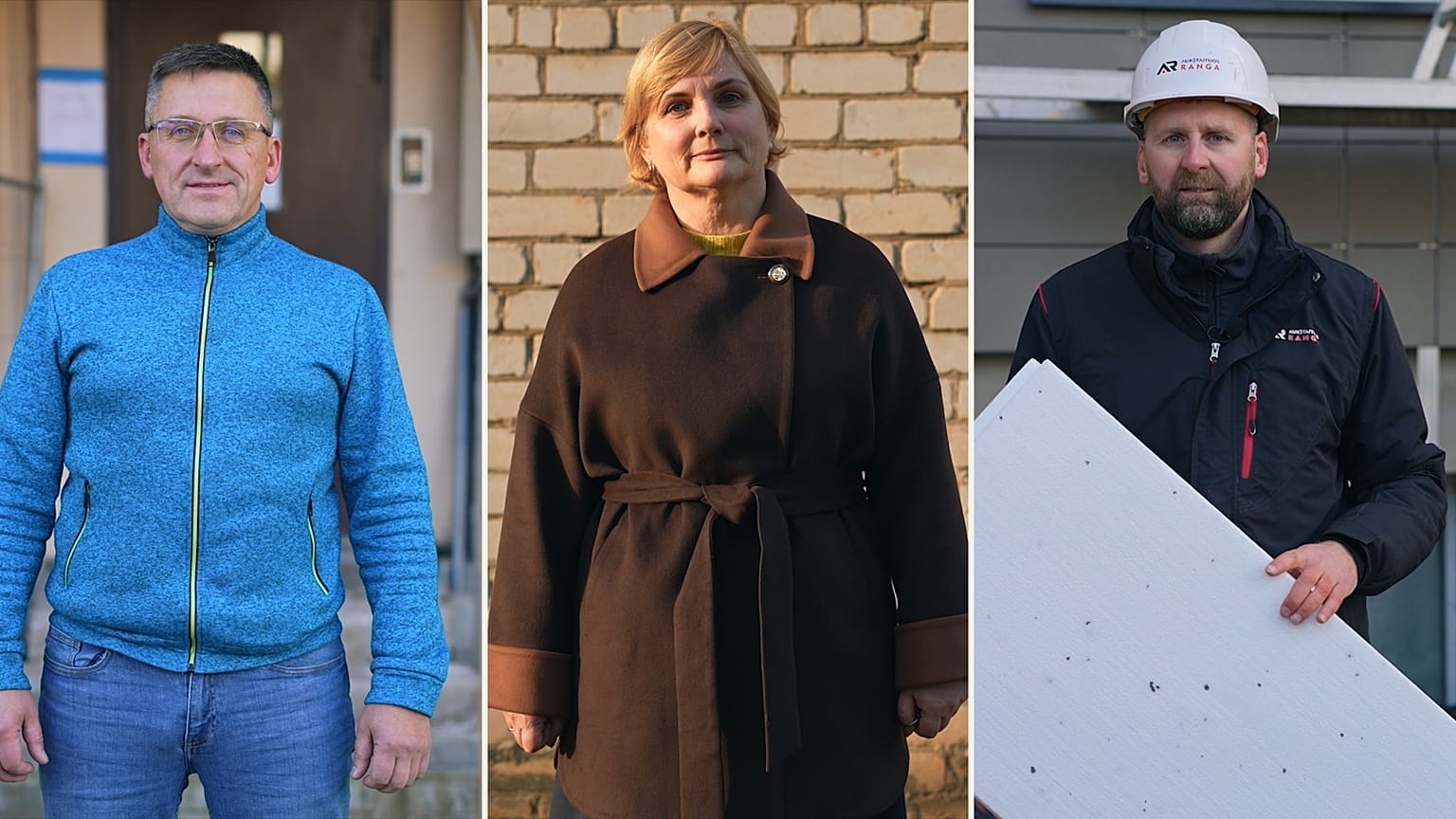
"Renovation is essential for us, because when the cold weather sets in, in winter, it gets extremely cold," says Dalia Uselienė, Chairwoman of a Homeowners Association in Ukmergė. She lives in a late 1960s apartment block where the most exposed wall can get frosty on the inside in winter.
 ADVERTISEMENT
Lithuania's Social Climate Plan will accelerate the country's ongoing renovation initiatives, meaning that over 40,000 homes, including over 7,000 apartment blocks, will be partially or fully renovated by 2032. There is an acute need to reduce bills and cut fossil fuel use in the Baltic country, which has been hit hard by rising energy prices. Around 17% of Lithuanians say they cannot keep their homes adequately warm, and 67% of residential buildings are energy performance class D or below.
The country's Social Climate Plan is worth 884.2 million euros, including 662.9 million euros from the EU's Social Climate Fund, which is financed by revenues from emissions trading. Vakaris Atkočiūnas, Senior Adviser on Climate Finance at the Lithuanian Ministry of Environment, says it will cover between 50 and 85 percent of costs for vulnerable residents, so, "renovation costs for vulnerable households will be close to zero."