












Europe plans to triple its data centre capacity over the next five to seven years, but by 2030, it could use more than 3% of its energy, straining power grids and water resources. How can the EU grow its AI capacity while staying sustainable? Ask the Euronews AI chatbot.
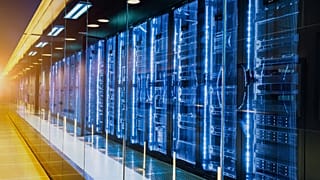
Data centres are physical sites that keep apps, systems, digital services, and online tools available 24/7. Their powerful computers, called servers, store, process, and deliver large volumes of data for people and organisations, much like warehouses manage goods.
 ADVERTISEMENT
Europe plans to triple its data centre capacity because it's becoming increasingly vital to AI’s development and growth. For example, when you ask a chatbot or AI agent a question, it processes millions of data points in data centres to give you the best possible response.
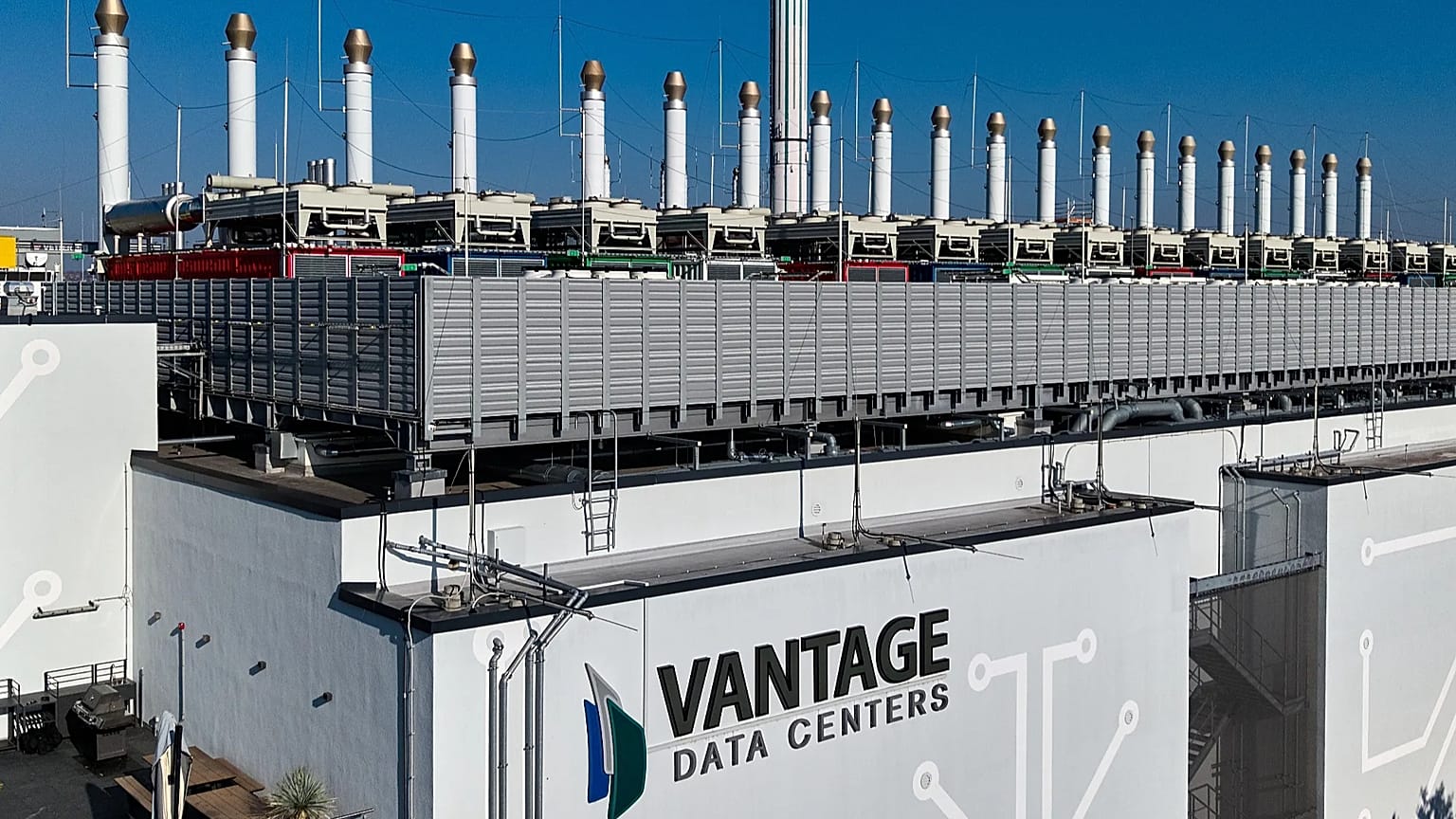
But their environmental impact makes them controversial. Data facilities use large amounts of electricity and water, require critical raw materials, and generate significant e-waste. So, expanding capacity would further strain Europe’s natural resources and energy networks, raise emissions, and hinder sustainability targets.
To curb these effects, the EU Commission proposed a common rating scheme in September. It requires facilities above 500 kW (kilowatts) to disclose their energy and water usage, helping integrate them into Europe's energy system.
By August 2027, the scheme will assess centres’ sustainability by assigning a label on a scale from A to G. It will show centres' power grade (Power Usage Effectiveness), water grade (Water Usage Effectiveness), energy source, grid flexibility, whether the site is “waste heat reuse ready,” and cooling degree days (CDD).
Europe regulates investment, security, and other aspects of data centres through a range of legislation, including the EU’s latest Cloud and AI Development Act, the Data Act (2023), and the NIS2 Directive (2022).
The European Parliament and Council are now reviewing the Commission’s rating scheme before it enters into force.
Do you want to know more about the EU’s plan to make data centres sustainable? Ask the Euronews AI chatbot!