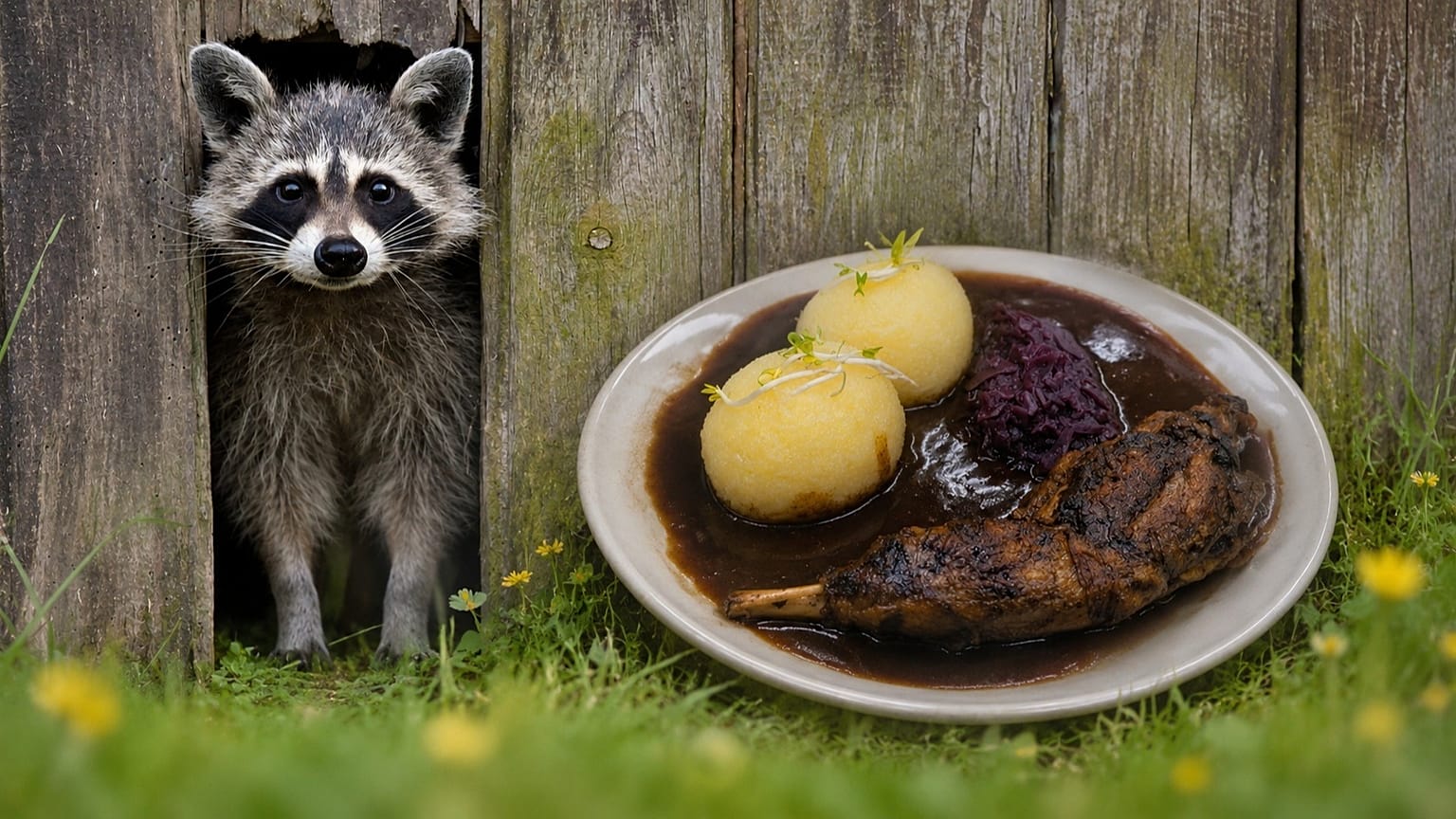













A chef from Thuringia serves the furry pest with red cabbage and dumplings, praising its tender meat. Could it become the new Christmas favourite?
He first came across raccoons while out fishing. For more than two years now, the small, button-eyed animals have been a permanent fixture on his restaurant menu – despite the fact that he is a vegetarian in his private life.
 ADVERTISEMENT
Chef Steffen Haaßengier now also teaches others how to prepare raccoon meat, offering cookery courses in Weimar, a city in the German state of Thuringia.
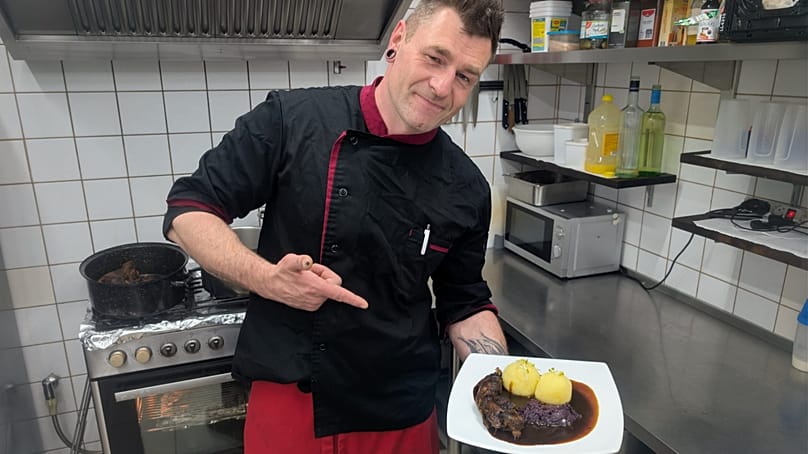
In 2025, the 42-year-old processed around 450 tonnes of raccoon meat. On special "raccoon barbecue days", he butchers up to 35 animals. Local hunters bring the raccoons to him after shooting them, and the veterinary authorities test them for diseases beforehand.
Tender meat with a distinctive flavour
In Canada, raccoons have long been considered a delicacy. "The raccoon has a very interesting, slightly sweet flavour of its own, somewhere between game and beef. It is tender, long-fibred meat, and you could also compare it to rabbit", says Haaßengier.
For seasoning, he recommends robust flavours such as rosemary, thyme, paprika, garlic and onion.
He says feedback from his guests is consistently positive. "Most people say they first have to get over the image they have in their heads. Many initially think of this small, cute animal, but there are lots of other small, cute animals, such as lambs, and they are cute too. But in the end, everyone likes the taste, and many even come back several times, bringing family and friends."
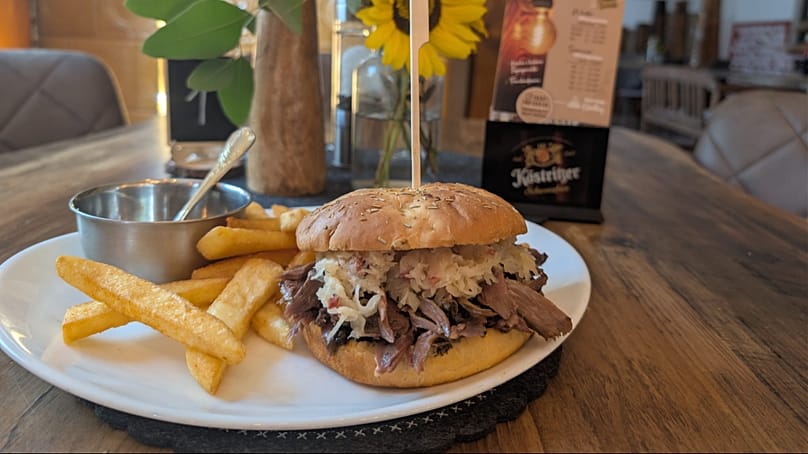
To keep his customers interested, he is always coming up with new dishes. One example is his raccoon burger, which has become a firm favourite. It is served with homemade Canadian coleslaw and chips.
On Sundays, he always serves the classic "raccoon leg" with a red wine and lingonberry sauce. By now, he has built up a regular clientele who return every fortnight. He is currently working on a "lovely raccoon ragout".
The main argument in favour of raccoon meat, he says, is sustainability. "There is no factory farming involved, so there is no need for force-fed geese or other animals raised for their meat. There are plenty of raccoons anyway. They have to be culled because they are an invasive species. It is food for a good cause."
As for the price, he says, there is not much difference either.
Invasive species out of control
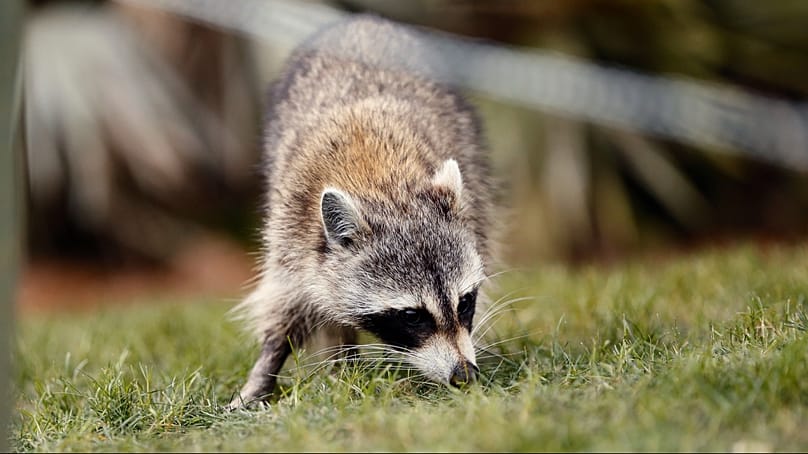
Originally native to North America, the raccoon is classified as an invasive species in Germany. As an omnivore, it poses a threat to native amphibians, reptiles and birds. According to the German Hunting Association, almost 290,000 raccoons were shot across Germany in 2025.
This "problem animal" can weigh between 3.6 and 13 kilograms and live for up to 16 years. During its lifetime, it can cause considerable damage, particularly to buildings, through faeces and urine contamination, as well as to gardens and native wildlife.
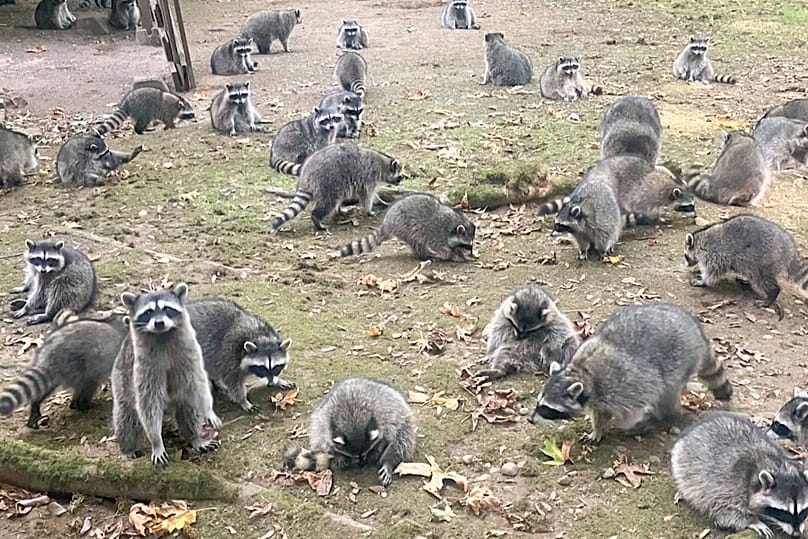
The numbers are also rising in the German capital, Berlin. In the 2024/25 hunting season, 286 raccoons were shot, compared with just 103 in 2022/23. In neighbouring Brandenburg, around 30,000 raccoons were shot in 2022/23.
In East Germany before reunification, another invasive species was also a popular item on the menu: nutria. Its meat was considered a valued foodstuff, mainly available as a by-product of fur farming. The meat of the so-called "swamp beaver" was prepared in much the same way as rabbit or hare – as a roast, stew or pan-fried dish – or made into sausages. Nutria Bolognese was popular in school and workplace canteens.
Can raccoon with dumplings and red cabbage replace the traditional Christmas goose?
In Germany, a festive meal is traditionally a must at Christmas. While many families serve the classic potato salad with sausages on Christmas Eve, 24 December, the main Christmas holidays often feature roast goose, duck or beef roulades, accompanied by red cabbage and potato dumplings.
But does it always have to be the familiar classics? With raccoon numbers on the rise, an unusual alternative could soon find its way on to the Christmas dinner table: braised raccoon leg with dumplings and red cabbage. Could it catch on?
Steffen Haaßengier says it certainly could. "As a braised dish, raccoon leg can easily replace goose leg, roulade or duck." He adds that serving it would not mean abandoning any traditions.
On 6 December, his restaurant, Zum Lindeneck, in Weimar is hosting a St Nicholas feast. Alongside raccoon, badger will also be on the menu at Zum Lindeneck in Weimar, with both dishes offered at special prices.
Read more