




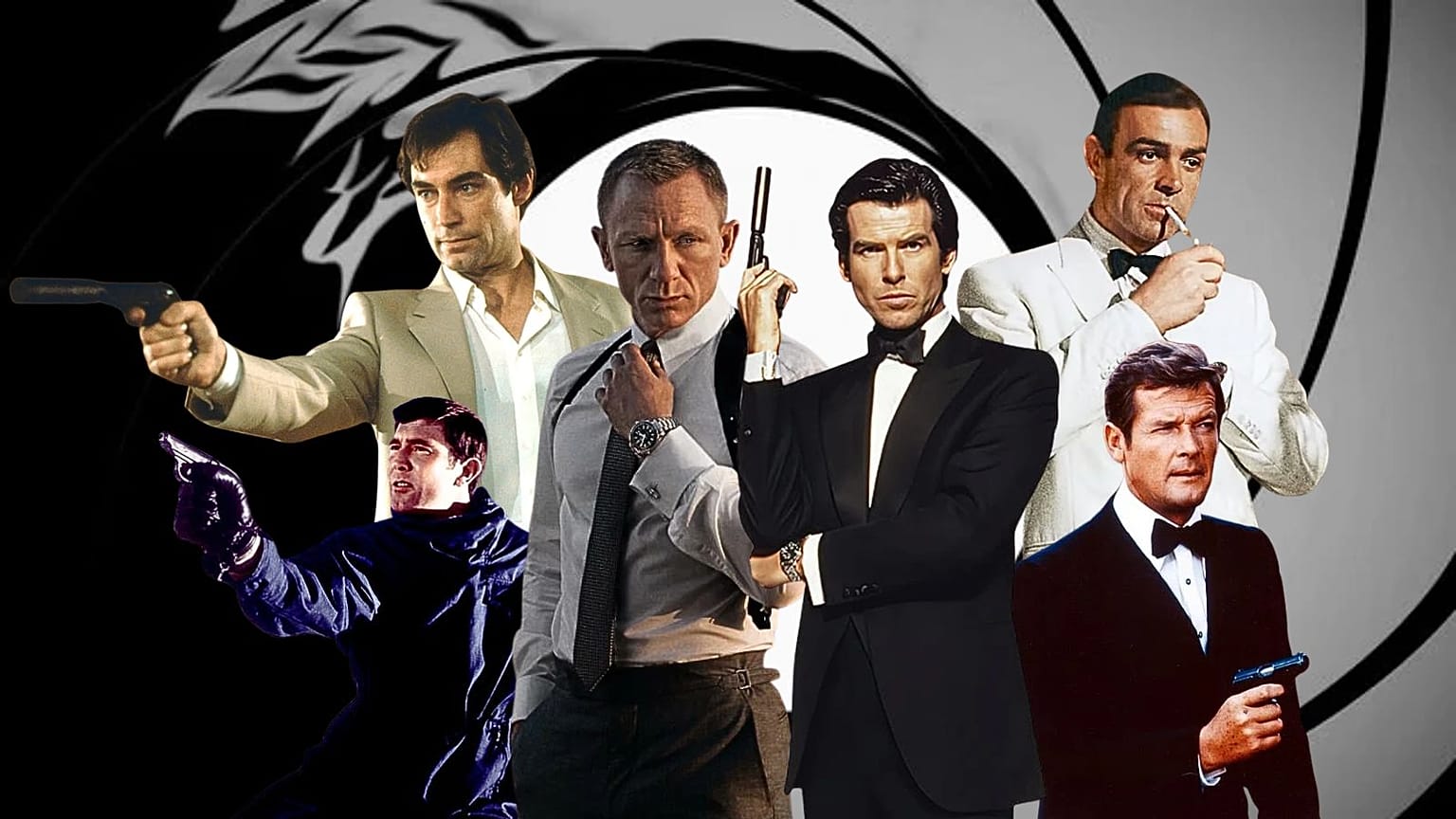













Now that we know the identity of the seventh 007, it's time to go through all 25 Bond films and rank them from worst to best... Results may surprise you.
What a week it's been for all things Bond...
 ADVERTISEMENT
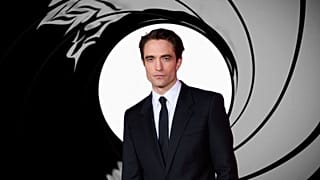
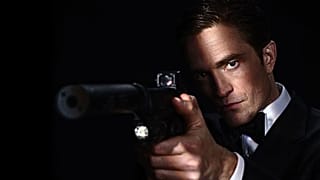
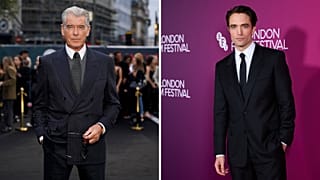
We finally have our new 007, with Robert Pattinson officially confirmed to don the tuxedo handed down from Daniel Craig.
The 40-year-old British actor now enters an exclusive club, featuring a character who has survived SPECTRE assassinations, shark attacks, studio bankrupcy, COVID, alcoholism, and presumably mulitple STDs. Oh, and persisted despite the fact they didn't manage to release a Bond film in 2007 - that marketing just wrote itself...
Since it's still too early to know how Pattinson will put his mark on 007 and what an Amazon-produced Bond film looks like, now seems like a good time to look back on the legacy of the longest lasting film franchise of all time, and rank all the 25 Bond films once and for all.
(For you pedants out there, yes, Godzilla is technically the longest lasting film series, but as a continuous main series, Bond still comes first.)
From Dr. No to No To Time To Die, bypassing non-canonical entries Casino Royale (1967) and Never Say Never Again (1983), here are the results – which will doubtlessly infuriate some Bond fans...
25. Diamonds Are Forever (1971)
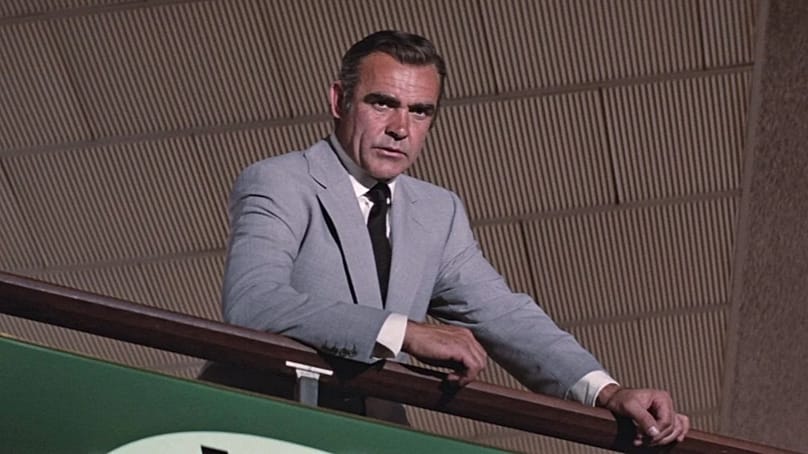
In a nutshell: Sean Connery's last (official) mission sees him follow the trace of diamond smugglers, head to Las Vegas, and attempt to foil Blofeld's plans on an oil rig. It's a disaster from start to finish.
Pros: A stellar title song; Charles Gray is a decent Blofeld... That's about it.
Cons: Overly campy yet somehow lifeless; Connery is out of shape and his toupee is doing most of the acting; utterly vacuous female protagonists; offensively stereotypical gay henchmen Mr. Wint and Mr. Kidd; the worst script the franchise has ever known.
Key moment: The title song by Shirley Bassey.
24. Die Another Day (2002)
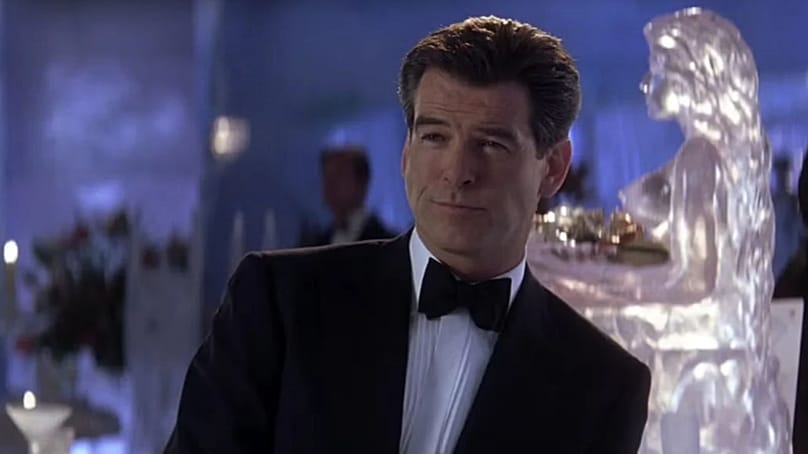
In a nutshell: Pierce Brosnan's fourth and final turn as 007 is one of the most groanworthy Bond films in the series. It sees Bond face off against Gustav Graves (Toby Stephens), a North Korean general who gets a Western makeover through gene therapy and who's all about the diamonds. Seriously, diamonds are the kiss of death for Bond.
Pros: Bond getting captured and tortured in North Korea; the fact that Die Another Day was so awful it forced producers to take a long hard look in the mirror and reboot the franchise with Casino Royale.
Cons: Where to begin? The invisible car; the questionable whitewashing; the ice palace; giant lasers; naff CGI; that moment Bond surfs on an iceberg; Madonna's disastrous theme song and cringey cameo; Halle Berry's dialogue... There are few redeeming qualities in this one.
Key moment: Judi Dench's M decommissioning Bond and telling him he's "no use to anyone now". How fitting.
23. The Man With The Golden Gun (1974)
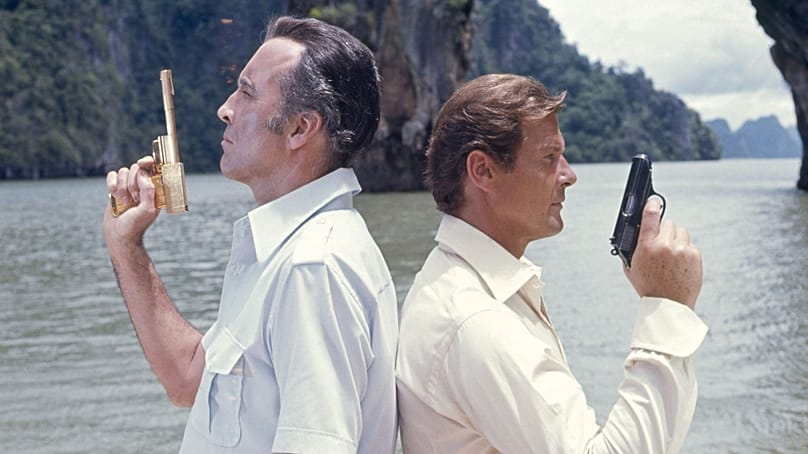
In a nutshell: Roger Moore's James Bond faces off against Scaramanga, the world’s deadliest assassin, in a plot involving a solar enegry device adventurously called Solex... There's some martial arts in there too.
Pros: Christopher Lee as Scaramanga, who deserved better than to be stuck in Moore's second outing as Bond.
Cons: A third nipple as a key narrative plot point; Britt Ekland's character development reduced to being in a bikini all the time; the return of Sheriff Pepper after his already tiresome appearance in Live And Let Die; the last act on an island featuring Hervé Villechaize as Scaramanga's butler Nick Nack – meaning that it's essentially 007 on Fantasy Island.
Key moment: Christopher Lee assembling his golden gun and outclassing Bond at the dinner table.
22. Quantum Of Solace (2008)
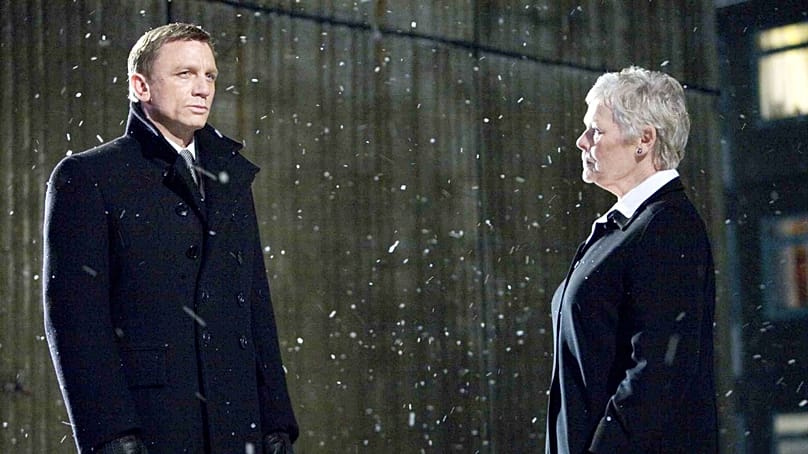
In a nutshell: Picking up where Casino Royale left off, Daniel Craig returns as 007 in a revenge-fuelled mission in which a shady organisation named Quantum tries to control South American water reserves. Despite an effort amongst Bond fans to rehabilitate this outing, it remains a real step down from the franchise high of Craig's 2006 introduction as Bond.
Pros: Craig is great and looks the part; there's something to be said about the lean and mean execution; a lot of the film's shortcomings can be explained (forgiven?) by the fact the script wasn't finished because of the 2008 writers' strike.
Cons: A rubbish theme song by Jack White and Alicia Keys; lunatic editing which induces seizures and ruins the opening car chase and a promising face-off during a horse race; a janky script which doesn't know what to do with Mathieu Amalric's villain; the underwhelming climax in the desert.
Key moment: The final goodbye to Vesper Lynd in the film's closing moments.
21. Octopussy (1983)
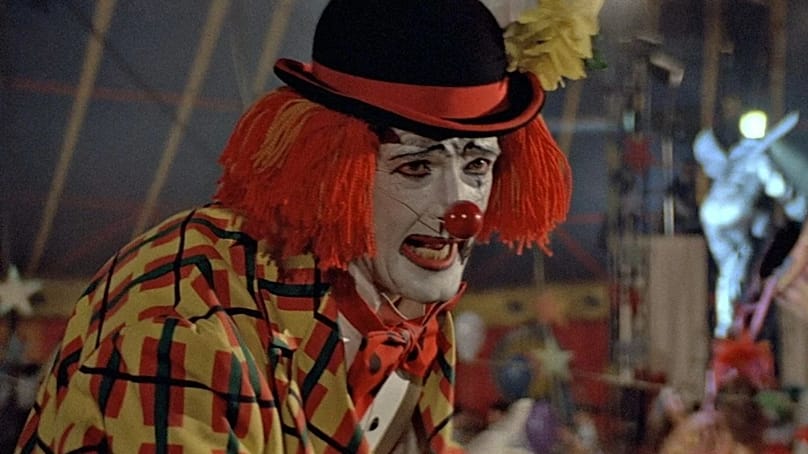
In a nutshell: Roger Moore’s penultimate effort was Octopussy (stop giggling at the back), which sees him heading to India and West Germany as he tries to prevent the theft of a nuclear weapon. A Fabergé egg plays an important part in there somewhere.
Pros: A decent premise featuring a murdered 00 agent; the antagonists played by Louis Jordan and Steven Beroff are great fun; Maud Adams is - and always will be - perfect.
Cons: The of-its-time exoticism; Roger Moore swinging on vines and doing a Tarzan yell; Roger Moore in a crocodile costume; Roger Moore in a gorilla costume; Roger Moore in a clown costume.
Key moment: The climax at Octopussy's palace. Stop it with the snickering.
20. Spectre (2015)
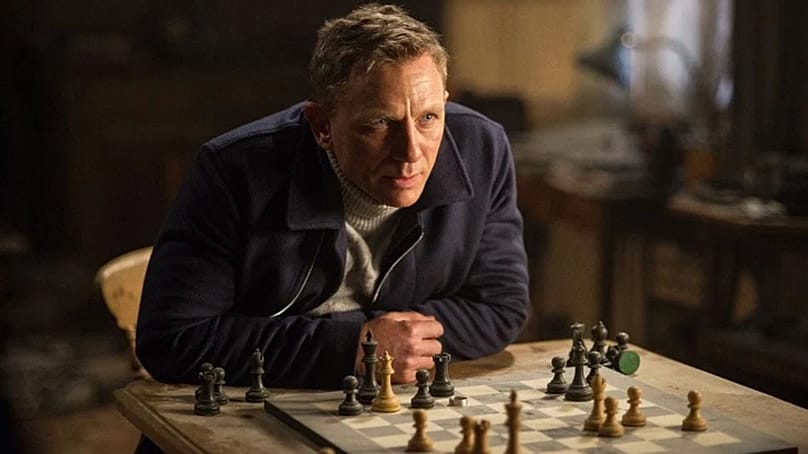
In a nutshell: As the title suggests, the ring-wearing Illuminati are back and seeking to control the flow of information by placing agents at the heart of intelligence services around the world. To ensure world domination, they're also orchestrating terrorist attacks. How could something so promising go so wrong?
Pros: The Day of the Dead opener; a strong first half.
Cons: Destroying all the promising elements - from hamfistedly retconning the previous Daniel Craig films in a bid to create a Bond cinematic universe, to ruining the character of Blofeld (Christoph Waltz) by making him Bond's adoptive brother. Worse, his motivation boils down to unresolved daddy issues. It's complete Austin Powers. The only way it could have worked was by making Waltz SPECTRE's "Number One" and revealing that the otherwise wasted Monica Bellucci was in fact the one pulling the strings as the head of SPECTRE. Now that would have been a twist. Oh, and Radiohead were supposed to do the theme song and their stellar effort was ditched in favour of Sam Smith's forgettable ballad.
Key moment: That "one-shot" Mexico opening and the ensuing helicopter fight is killer. Pity the rest topples into convoluted nonsense.
19. Moonraker (1979)
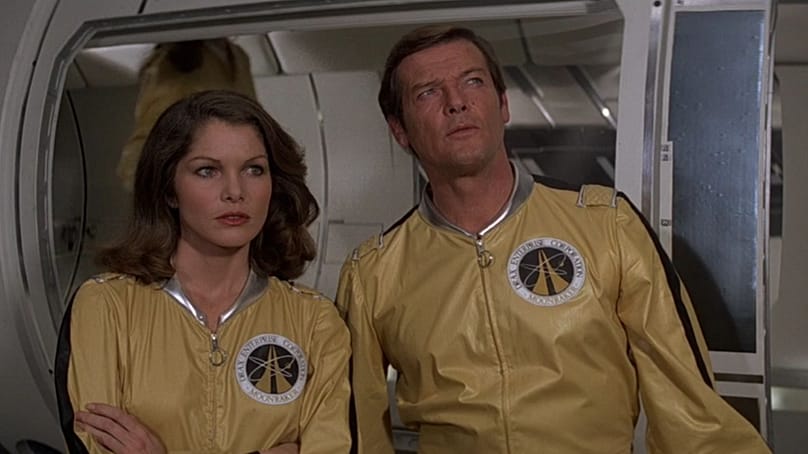
In a nutshell: Bond goes to space in this Star Wars-influenced mission about the theft of a space shuttle and the creation of a master race. Frequently cited as one of the worst Bond films, it's actually an enjoyable jump-the-shark romp.
Pros: Michel Lonsdale as megalomaniac Hugo Drax; most of the camp done right – except the gondola chase in Venice, which is just plain Looney Tunes.
Cons: The laser battle in space; Jaws (Richard Kiel) getting a girlfriend (Blanche Ravalec); an outlandish plot which forgets that Bond is an MI6 agent and not Luke Skywalker's opposite number.
Key moment: Ah, to hell with it, we're actually quite chuffed for Jaws and his new squeeze. Good for those two.
18. You Only Live Twice (1967)
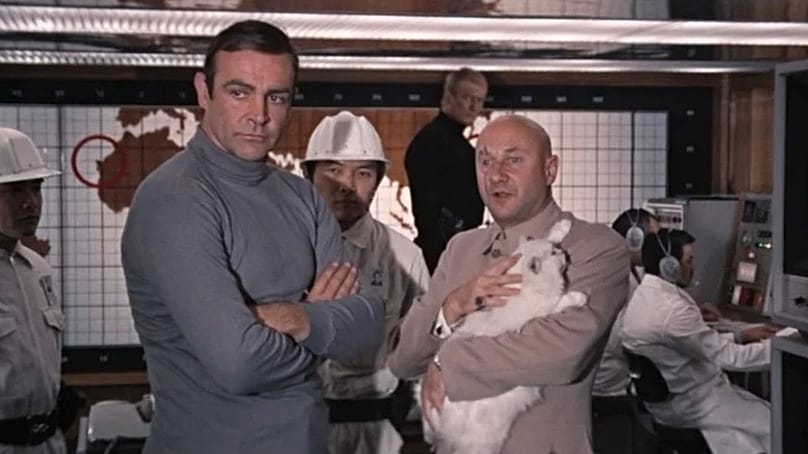
In a nutshell: Bond tries to find out who is stealing American and Soviet spacecrafts out of orbit. Spoiler: it's Blofeld, who resides in a massive volcano lair. 007 heads to Japan to team up with his ninja counterparts to stop the cat-stroking madman.
Pros: Bond faking his own death; Ken Adam's volcanic lair; Donald Pleasance as Blofeld.
Cons: Sean Connery's yellowface makeover; more racist caricatures and sexist stereotypes than you can shake a Martini shaker at; the feeling that after a great run of four films for Connery with Dr. No, From Russia With Love, Goldfinger and Thunderball, this is when the Bond franchise started to show it could run out of steam.
Key moment: Blofeld killing one of his agents by dumping her in a vat full of piranhas. You've got to admire the nefarious bastardry inherent to his interior designing skills.
17. The World Is Not Enough (1999)
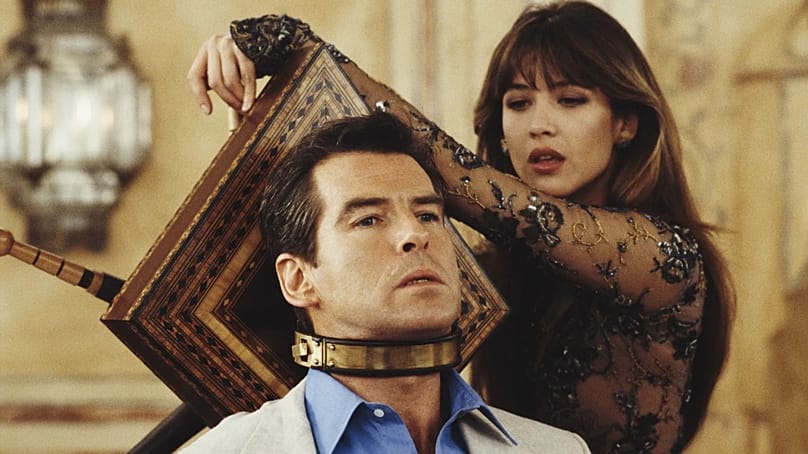
In a nutshell: Pierce Brosnan's third go as Bond confirmed that his run got progressively worse as it went on. Still, this movie isn't all bad, as it sees terrorist Renard (an underserved Robert Carlyle) blowing up some oil pipelines, tormenting his past kidnap victim Elektra (Sophie Marceau) and looking to get his hands on some plutonium.
Pros: Sophie Marceau revealed as the Stockholm Syndrome-suffering true villain, becoming the franchise's first female big bad; Garbage's title song; a strong opening that struck the right balance between serious and camp.
Cons: Denise Richards as nuclear physicist Dr Christmas Jones; the niggling sensation that Brosnan is trying to keep things serious while the script won't allow him to; that final joke before the credits roll, which makes even the most dedicated Bond fan want to jump head-first into Blofeld's piranha vat.
Key moment: That fitting farewell to Desmond Llewelyn, who played Q from 1963 to 1999.
16. A View To A Kill (1985)
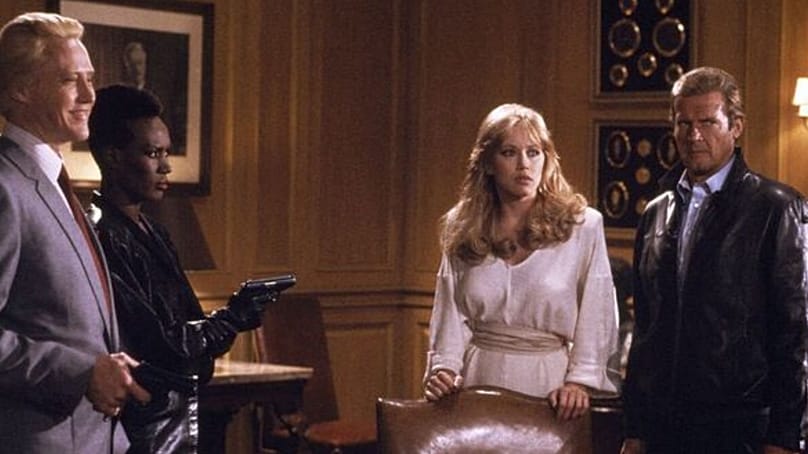
In a nutshell: Not the best of endings for Roger Moore, as he went out with A View To Kill, which is frequently voted one of the franchise's worst instalments. Still, it isn't that bad and works a kitschy 80s throwback. Will Bond be able to stop Max Zorin (Christopher Walken), an evil Nazi eugenics experiment turned microchip mogul working for the Russians, from destroying Silicon Valley?
Pros: Two scenery-chewing villains courtesy of Walken and Grace Jones; the Duran Duran song is better than you remember; you end up rooting for the Silicon Valley genocide to work.
Cons: Moore looks shagged out and the stunt performers are visibly taking over; the Beach Boys needle-drop during the snowboarding sequence; Tanya Roberts and all her screaming; the general low-energy feel.
Key moment: Christopher Walken being manic and one of the best antagonists of the series.
15. Live And Let Die (1973)
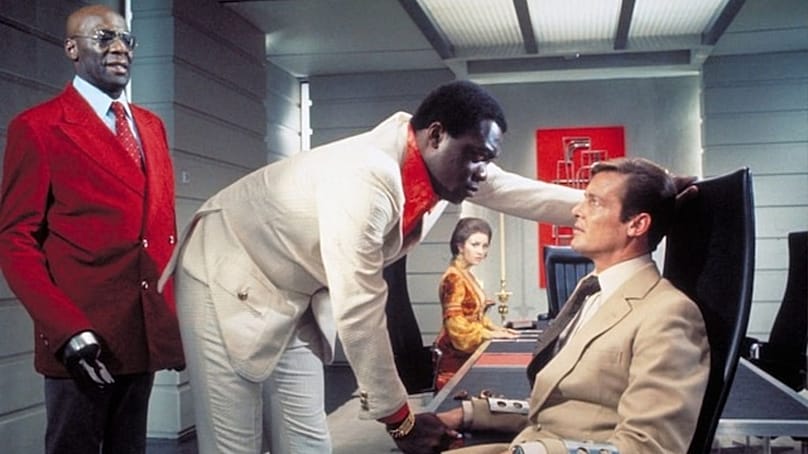
In a nutshell: Moore’s debut as 007 was decent but it has aged terribly. The actor makes his mark on Bond as a cooler, more playful Bond; but he's heading to Harlem to uncover a heroin operation... Cue: A product of the times instalment, which also features Jane Seymour as a tarot-reading fortune teller.
Pros: A promising start for Moore; the voodoo stuff works as cover for the drug smuggling / distributing; the music is great; some inventive deaths; Yaphet Kotto makes for a fantastic villain.
Cons: The misguided blacksploitation angle leading to some uncomfortable racist stereotypes; the introduction of Louisiana Sheriff J.W. Pepper (Clifton James); Bond rigging a card deck to steal Solitaire's virginity - a creepy low point for the character, even by 007's dubious standards.
Key moment: Geoffrey Holder as the sinister Baron Samedi and Yaphet Kotto acting his socks off.
14. Tomorrow Never Dies (1997)
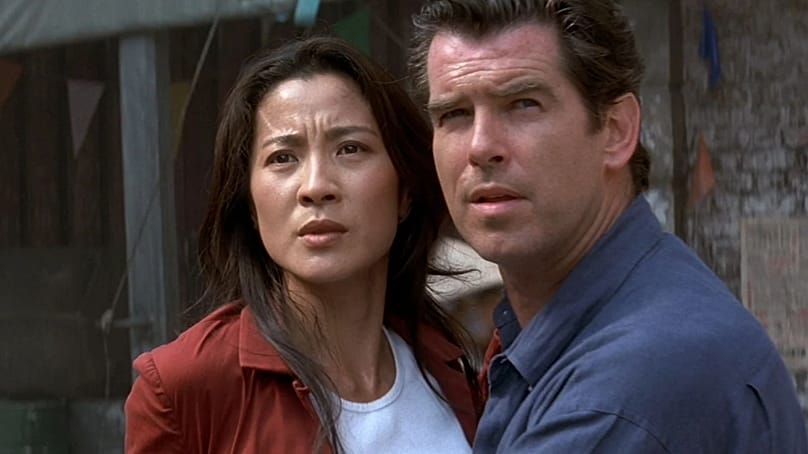
In a nutshell: Brosnan's second Bond film was released alongside Titanic, so it took a beating at the box office. However, Tomorrow Never Dies has aged rather well in telling the story of a villainous press mogul Elliot Carver (Jonathan Pryce) who seeks to dictate the world’s rolling news coverage by orchestrating criminal acts and manipulating headlines. It's essentially Bond vs Rupert Murdoch.
Pros: A prescient story about pre-"fake news" media manipulation and Chinese expansionist plans; the incomparable Michelle Yeoh kicking more arse than 007 as Wai Lin; a fun bunch of villains, including two sadistic German baddies Dr. Kaufman and Jaws-throwback Stamper.
Cons: An underpowered theme song from Sheryl Crow; a miscast Jonathan Pryce as Carver, who was originally going to be played by Anthony Hopkins; Teri Hatcher doing her level best.
Key moment: Dr. Kaufman (Vincent Schiavelli) stealing the show as the doctor who could shoot Bond "from Stuttgart und still create zee proper effect!"
13. Thunderball (1965)
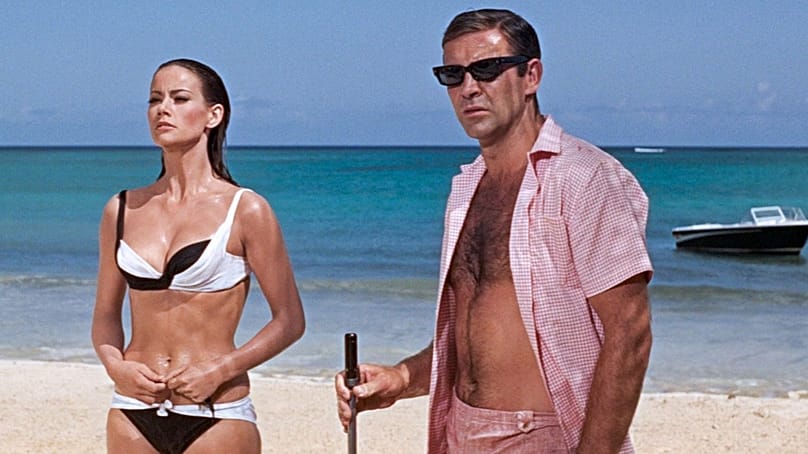
In a nutshell: The fourth Bond film was released at the peak of Bondmania. Until Skyfall came along, Thunderball was the highest grossing 007 movie (adjusted for inflation), and it still stands as a tightly-paced thriller. It sees Bond try to stop SPECTRE's eye-patch wearing Largo from stealing nuclear warheads in a bid to blow up major cities in the US and UK. Another day at the office...
Pros: The iconic jetpack escape; SPECTRE's explosive boardroom shenanigans; we finally get to see all the 00 agents in one room; Claudine Auger's Domino and Luciana Paluzzi's Fiona Volpe holding their own against Bond and proving that swaggering male ego only gets you so far; SHARKS!
Cons: All the underwater stuff in the last act gets a bit boring; Tom Jones' bombastic but annoying theme song; all the Moneypenny flirting clearly shows MI6 doesn't have a competent HR department.
Key moment: Domino becomes the first female protagonist in the series to kill the villain and save Bond.

12. No Time To Die (2021)
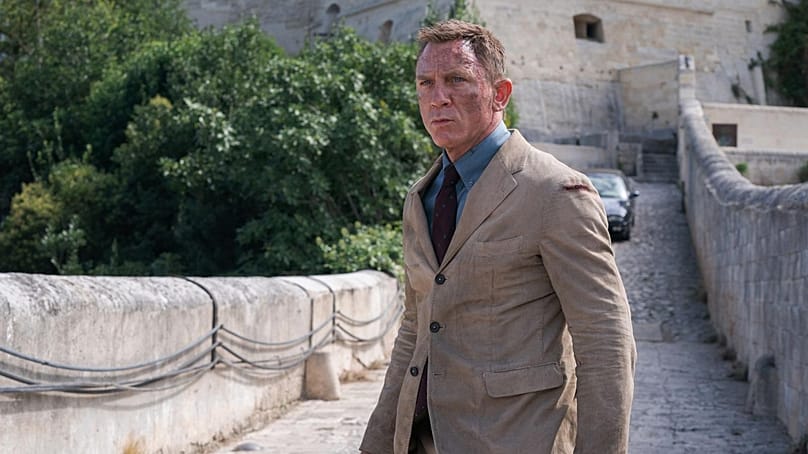
In a nutshell: Endlessly delayed by COVID, Daniel Craig's final go was worth the wait. Granted, it still twists itself into knots with convoluted continuity from the previous adventures, and crams in far too much. But No Time To Die remains a bold and fitting swansong for Craig, who was the face of a rejuvinated franchise. In this one, Bond unretires and is on the trail of Safin (Rami Malek), who has stolen an off-the-books biological weapon from MI6.
Pros: Ana de Armas; strong action sequences; Craig proving that he'll be a very tough act to follow; the gut-punch finale; did we mention Ana de Armas?
Cons: An undercooked and poorly written villain; the overstuffed plot which loses momentum in the second half; an over-reliance on nostalgic callbacks.
Key moment: The surprisingly affecting finale which dares to kill off Bond for the first time. As such, it neatly caps off the Broccoli tenureship. Dr. No to No Time To Die : 1962 – 2021. Over to you, Amazon. Best of luck. And don't cock it up.
11. Dr. No (1962)
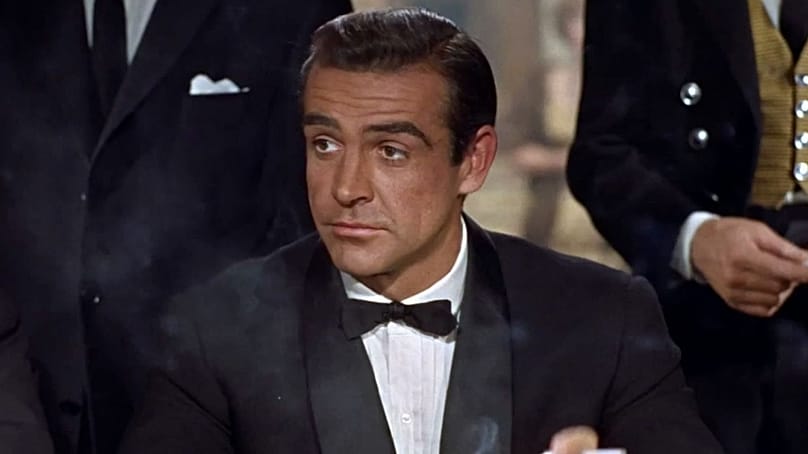
In a nutshell: Bond begins! The first Bond film is still one of the best and has aged surprisingly well compared to some others. We meet 007 for the first time - a suave and brutal agent who doesn't mind a quip and a flirt while he's saving the world and downing one too many beverages. The story sends him to Jamaica to investigate the murder of a fellow agent. There, he comes up against SPECTRE agent Dr. No, who likes shooting down American rockets in a bid to heat up the Cold War.
Pros: The Monty Norman-themed introduction; Connery nailing it on the first try and proving that Bond needs to be played by an unknown, as opposed to then-studio favourite Cary Grant; Ursula Andress and Joseph Wiseman both excellent as Honey Rider and Dr. No, respectively; the first Bond villain lair.
Cons: Pacing issues; a few editing gaffs; a formula still in need of a polish.
Key moment: Connery intoning “Bond. James Bond” while lighting a cigarette in a casino. A cinematic icon is born.
10. For Your Eyes Only (1981)
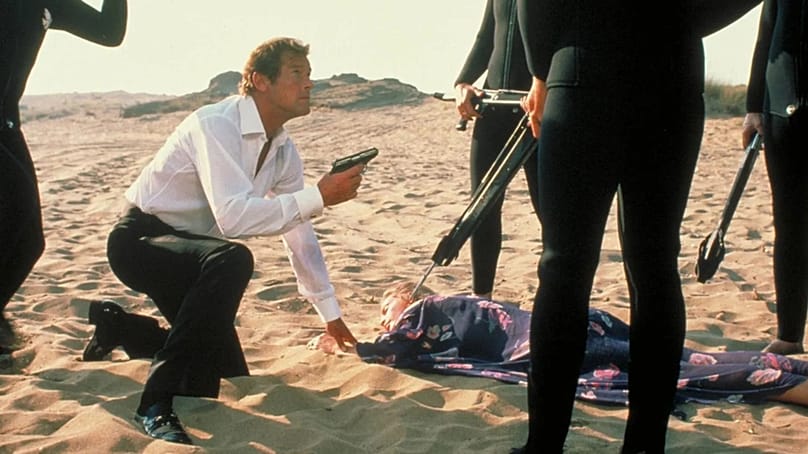
In a nutshell: Following Moonraker 's campy space antics, For Your Eyes Only was a bid to dial back the excesses and get back to a more grounded mission. And it worked - making this one a real standout in Moore’s run as Bond. For his 12th mission, 007 rushes to recover a MacGuffin weapons system, ATAC, before the Soviets get their hands on it. In doing so, he crosses paths with two warring clans led by Kristaos (Julian Glover) and Columbo (Topol), as well as Melina (Carole Bouquet) - a crossbow-wielding woman seeking to avenge the murder of her parents.
Pros: The high camp is gone and this back-to-basics approach feels more like a Cold War thriller rather than an end-of-the-world flick; the dialled down set pieces; the theme of revenge works; Topol is great as the pistachio-loving Columbo; a great climax in a Greek monastery.
Cons: Bond unceremoniously dropping Blofield down a chimney at the start; the parasol escape; Margaret Thatcher showing up at the end. Shudder.
Key moment: The death of Lisl (Cassandra Harris, who was Pierce Brosnan's first wife) on the beach and Bond pushing assassin Locque (Michael Gothard) off a cliff. Both sequences showed what Moore could do as an actor when he wasn't being asked to act with his eyebrows.
9. Licence To Kill (1989)
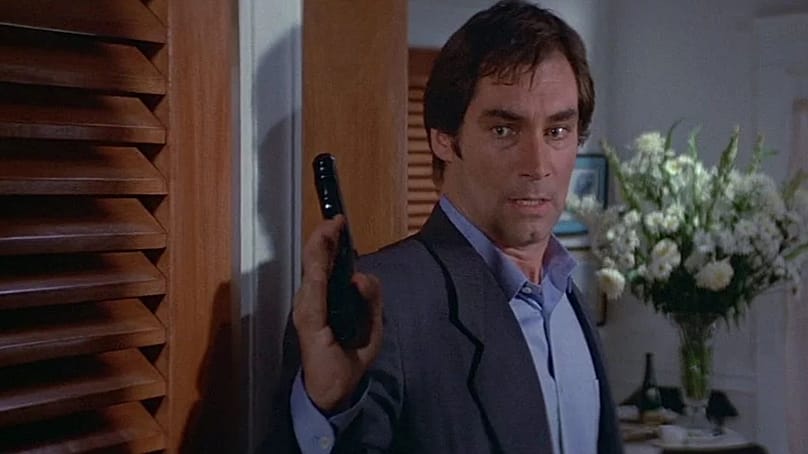
In a nutshell: Bond goes rogue in Timothy Dalton's second and final Bond adventure. It's a darker and nastier movie, which dared to up the violence. It was ahead of its time, as Dalton's turn as 007 was the blueprint for Craig's more gritty portrayal. Sadly, Licence To Kill (originally titled "Licence Revoked" but changed because American audiences associated the term with driving licences) was met with a polarized response, but it remains a standout. As for the plot: Ruthless drug kingpin Franz Sanchez (Robert Davi) kills Felix Leiter's wife and feeds Bond's CIA buddy to sharks. 007 has a debt and retaliates...
Pros: The personal stakes; a hard-hitting execution; Robert Davi and a young Benicio Del Toro acing their sadistic villain duties; Dalton proving he remains the most underrated Bond, as well as the proto-Craig.
Cons: It often feels like a great action-thriller rather than a Bond film; the legal rows which caused a six-year hiatus and ended up with Dalton quitting.
Key moment: Q showing up in the field to help Bond.

8. Skyfall (2012)
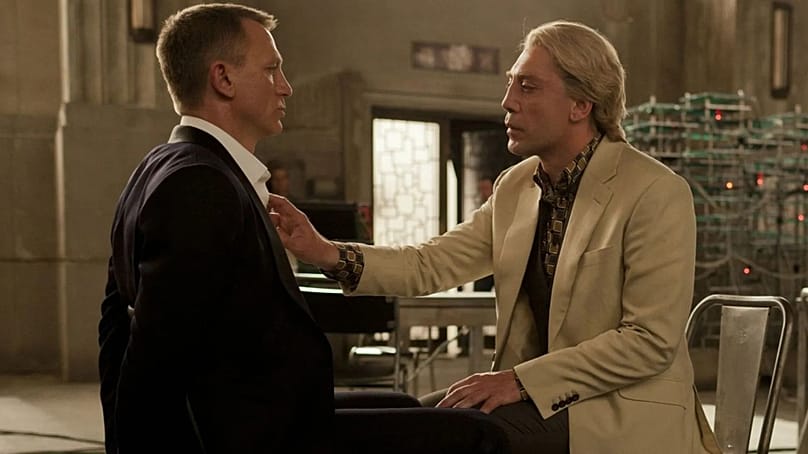
In a nutshell: When a cyber-terrorist with ties to M's past leaks the identities of agents around the world and blows up part of MI6, Bond comes out of self-imposed exile to save the day and his boss... Seeking to redeem the black mark of Quantum Of Solace, the Bond producers drafted director Sam Mendes to helm what would become a critical darling and the most commercially successful Bond film of all time. It was the fourteenth film to pass the billion-dollar mark.
Pros: Adele's Oscar-winning theme song; Bond left for dead in a compromised mission; Javier Bardem having a scene-stealing blast as Silva; Dench’s meatier role; Craig adding some emotional heft to a worn out Bond; a perfectly shot film by cinematographer Roger Deakins.
Cons: Some glaring plot holes in Silva's The Dark Knight -inspired escape plan; that godawful quip when Sévérine (Bérénice Marlohe) gets shot; the jarring Home Alone antics in the third act which undermine the rest of the film.
Key moment: Skyfall is the Dame Judi Dench show, and her farewell at the end is a real tear-jerker.
7. On Her Majesty’s Secret Service (1969)
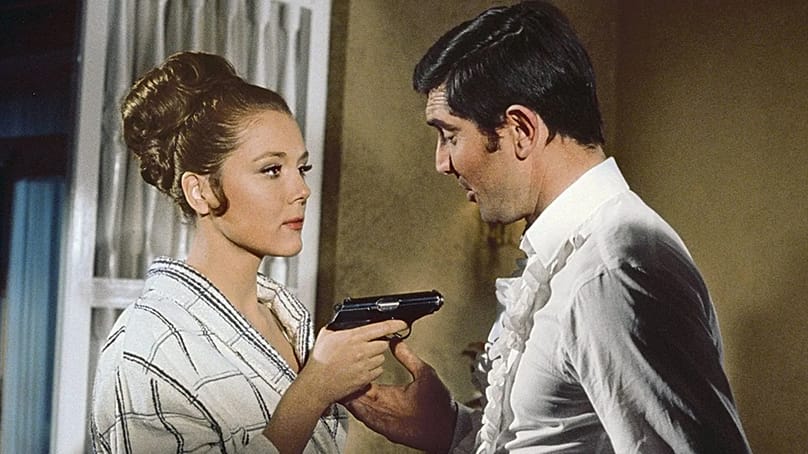
In a nutshell: When Connery left the role after You Only Live Twice, he was replaced by an unknown Australian actor who had only been in a few commercials. George Lazenby's sole appearance as James Bond was once considered a massive misstep but has been reappraised by fans - including Christopher Nolan, who has singled it out as his favourite Bond film. OHMSS has Bond going undercover to flush out Blofeld (Telly Savalas) from his snowy hiding spot, all while falling in love with Countess Teresa "Tracy" di Vicenzo (Diana Rigg).
Pros: Peter Hunt's direction; the snowbound sequences; some visceral action scenes; Telly Savalas as the best Blofeld; Diana Rigg as the best Bond Girl ever; the tragic ending.
Cons: Lazenby can't shake off Connery's legacy, even if you get the impression he could have had he made more; that fourth-wall break in the opening scene; the swinging sex comedy antics with the patients in Blofeld's clinic; Lazenby in a kilt.
Key moment: That bold and unforgettable finale. Bond finally gets his happy ending and heads off to marital bliss... Only for Tracy to be executed in the car.

6. GoldenEye (1995)
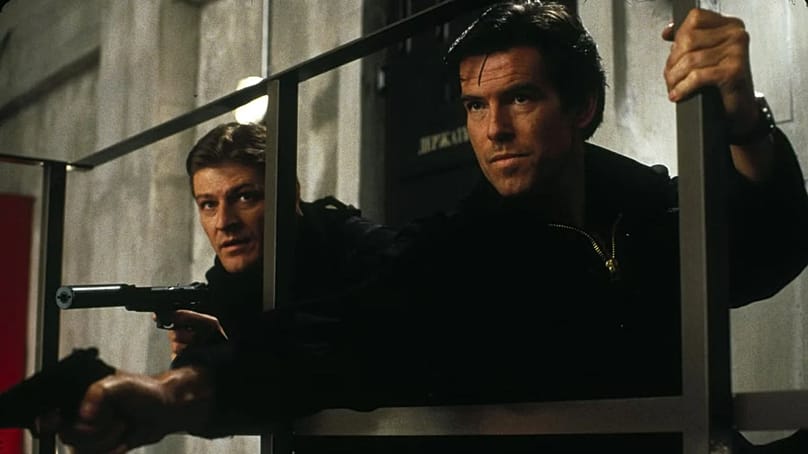
In a nutshell: After a six-year post-Dalton hiatus due to legal woes, GoldenEye was the first post-Cold War Bond film, with Pierce Brosnan slipping into the tux. It was a critical and commercial triumph, with many praising director Martin Campbell for ushering in a new era for Bond – one which didn't reinvent the formula but updated it. It wouldn't be the last time Campbell revitalized 007, giving Bond a much-needed reboot in 2006 with Casino Royale ... GoldenEye sees our hero face off against presumed dead 006 (Sean Bean), who plans a daring hiest thanks to the titular MacGuffin.
Pros: Brosnan at his best and taking to the role of Bond like an olive to a chilled Vodka Martini; Judi Dench making her debut as M; Famke Janssen's Xenia Onatopp redefining safe sex; having a 00 agent go rogue; action sequences which include a jump from a dam and a tank chase in the streets of St. Petersberg.
Cons: An underwhelming ending; the gadget-filled car is set up but never gets used.
Key moment: M calling Bond a "sexist, misogynist dinosaur, a relic of the Cold War".
5. The Spy Who Loved Me (1977)
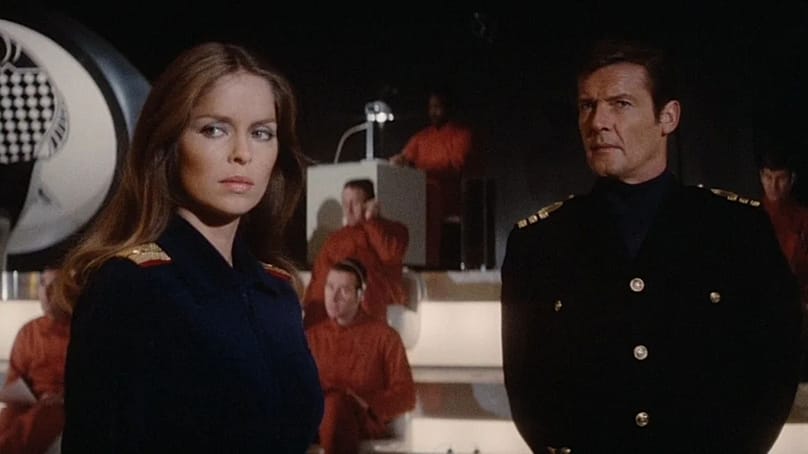
In a nutshell: After two middling films, it was third time lucky for Roger Moore, who hit his stride in the perfectly balanced and quintessential Bond film The Spy Who Loved Me. This finely tuned mission has it all: action, comedy, evil lairs, huge henchmen, a submarine car... The lot. Central to the plot is a missing microfilm, which leads MI6 and the KGB to team up. "Détente, indeed," as villain Karl Stromberg (Curd Jürgens) says.
Pros: One of the best damn Bond songs ever recorded; the iconic opening ski chase; Barbara Bach as Anya Amasova, Bond’s KGB counterpart; the introduction of the menacing Jaws (Richard Kiel); Moore finally owning Bond.
Cons: The soundtrack features some questionable guitar twangs which would have been more at home in a 70s porno.
Key moment: The skiing-off-a-cliff stunt soundtracked to the opening bars of Carly Simon's 'Nobody Does It Better'. Never equalled.

4. The Living Daylights (1987)
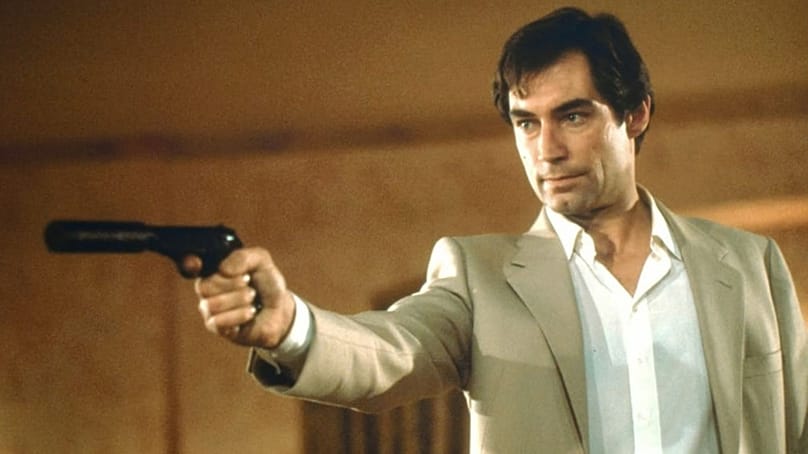
In a nutshell: Riot all you want, but it's a fact that The Living Daylights is the single most underrated and overlooked entry in the whole franchise. Many posit that GoldenEye saved Bond; but that honour goes to The Living Daylights. Having taken over from Moore, Timothy Dalton more than delivered the goods in his first turn as 007. His globetrotting mission takes him from London to eastern Europe, Morocco and Afghanistan, trying to uncover what links a rogue American warlord (Joe Don Baker), a supposed KGB defector (Jeroen Krabbé), and a cellist (Maryam d'Abo).
Pros: The assassinations during the opening training exercise; the underrated theme song by A-ha; the cello case snow chase shouldn't work but does; Bond confronting Pushkin (John Rhys-Davies) about the reactivation of the Smert Shpionam programme; a great finale; Dalton being the best Bond since Connery.
Cons: It's all killer no filler with this one. Deny it if you can.
Key moment: The moment Dalton turns his tux into a sniper's vest before picking up his rifle. Dangerous. Suave. Effortlessly cool.
3. Goldfinger (1964)
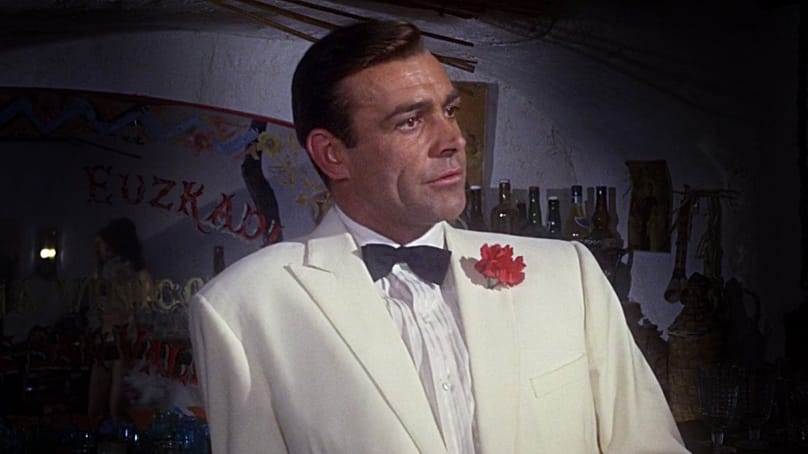
In a nutshell: Sean Connery's third entry was the one that set up and embraced everything the franchise became famous for – huge theme songs, outlandish plots, larger-than-life villains, the tricked out Aston Martin, female protagonists with ridiculous names... It's no mystery why Goldfinger is the first film that springs to mind when you're asked: "Picture a Bond movie."
Pros: The gold-painted woman; Oddjob's hat; that laser scene... Everything about Goldfinger made it a pop culture reference and one of the best Bonds. Special mention must go to Gert Fröbe as Auric Goldfinger, as well as the uncredited Michael Collins, who dubbed the German-born actor as his accent was too difficult to understand.
Cons: That completely unnecessary Beatles jab from Bond before he gets knocked out by Oddjob; the way Bond forces himself onto Pussy Galore (Honor Blackman) in the barn... Problematic doesn't even begin to cover it.
Key moment: "You ekssshhpect me to talk?” “No, Mr Bond, I expect you to DIE!”
2. Casino Royale (2006)
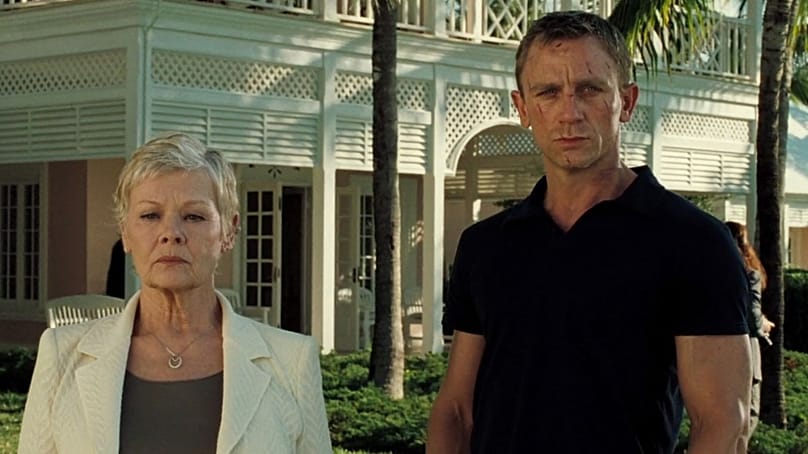
In a nutshell: He's too bland... He's too short... He's too blonde... When Daniel Craig was cast as Bond, everyone seemed to dismiss the casting decision as a massive misfire even before the actor had begun filming his first scene. Fast forward to the release of Casino Royale and all the naysayers were forced to eat a lot of humble pie. Martin Campbell came back to the director's chair after GoldenEye to ensure that everything went off without a hitch, and the results were plain to see. This was an exciting and gritty origin story that deconstructed Bond before he was fully formed as the agent we'd known before. More than that, Casino Royale was a perfect Bond film, featuring the best James Bond yet.
Pros: From the black-and-white opener showing how Bond got his 00 status all the way to the Venice showdown, via Chris Cornell's roaring title song, some excellent work from Mads Mikkelsen and Eva Green as Le Chiffre and Vesper Lynd... Everything works. Everything, except...
Cons: The Omega product placement in the train scene is howlingly poor. Aisde from that, no further notes.
Key moment: "Shaken or stirred?" "Do I look like I give a damn?"

1. From Russia With Love (1963)
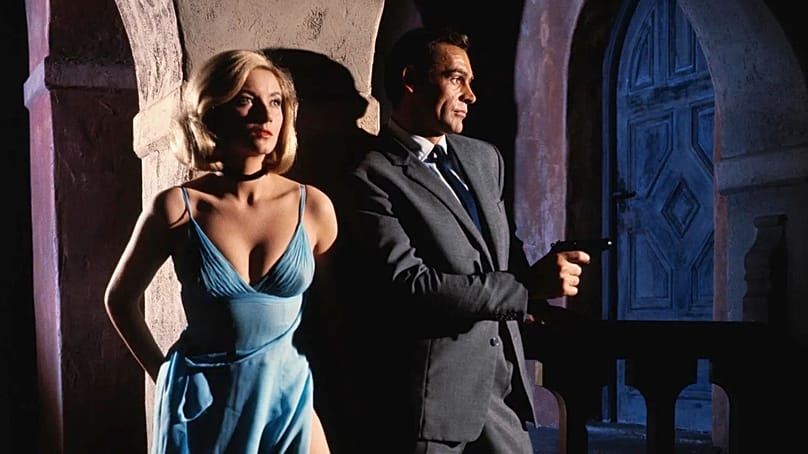
In a nutshell: No matter how underrated The Living Daylights is; regardless of how iconic Goldfinger remains; despite Casino Royale being the modern benchmark to clear when it comes to Bond films... The best 007 movie is From Russia With Love. Based on Ian Fleming's best novel, it sees SPECTRE plan to avenge Bond's killing of Dr. No by luring him into a trap, using the prospect of a coveted decoder as bait. Those horrible bastards also attempt to blackmail Bond for an affair with a Soviet agent...
Pros: Terence Young's steady hand as director; Sean Connery settling into the role for his sophomore film and coming off suaver than ever; strong Hitchcockian vibes and a slow-burn suspense throughout; supporting players Robert Shaw, Pedro Armendaríz, Daniela Bianchi and Lotte Lenya are all great; a real sense of peril within one of the strongest Cold War movies ever made.
Cons: Not a single note.
Key moment: The moment before that claustrophobic train fight, when Bond's suspicions regarding Red Grant (Shaw) are confirmed because the undercover SPECTRE agent orders red wine with his fish instead of white. Is it daft? Affirmative. Snobbish? Indubitably. Does it work? Hell yes.


There we have it.
The 26th Bond film is in development, with Oscar-nominated Canadian filmmaker Denis Villeneuve directing and Steven Knight on script duties.
Production is expected to start next year, but Robert Pattinson will have to complete filming The Batman Part II (yes, he also Batman!) – production on which was temporarily paused after director Matt Reeves was faced with a personal issue. Steven Soderbergh has stepped in to help shoot the final few weeks.
This means that the earliest audiences will get to see the next Bond adventure will be in the second half of 2028 - making it seven years since No Time To Die, and the longest gap between Bond films since 1989's Licence To Kill and 1995's GoldenEye.
James Bond Will Return...