












The Chamber finally approved an anti-antisemitism bill using the IHRA definition, splitting the opposition and reviving debate on where criticism of Israel's government ends and antisemitism begins.
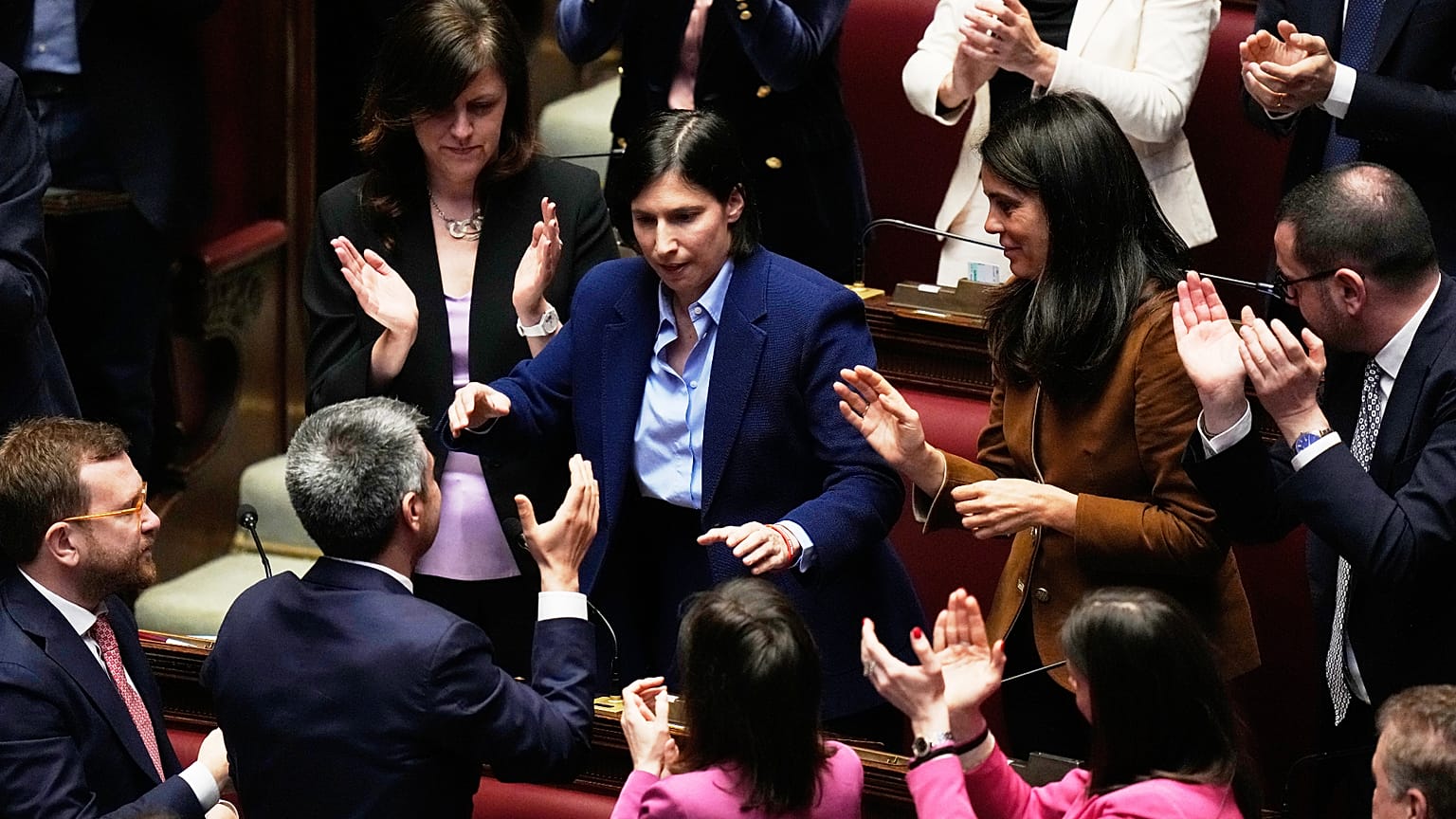
The Chamber of Deputies on Tuesday gave final approval to the antisemitism bill. There were 147 votes in favour, 93 against and 5 abstentions, after Democratic Party MP Piero Fassino announced that he and other Democratic colleagues would not follow the party line.
 ADVERTISEMENT
There has been no shortage of controversy over the definition adopted in the bill.
The text, already approved by the Senate in March, adopts the definition of antisemitism provided by the International Holocaust Remembrance Alliance (IHRA), which has divided the opposition itself.
The Democratic Party voted against, despite defections within its reformist wing, as did the Five Star Movement and AVS, while Italia Viva and Azione backed it. All amendments were rejected.
What the definition of antisemitism approved by Italy says
The text brought before the Chamber (source in Italian), which contains five articles, states in the first that the Republic "rejects all forms of antisemitism, promotes action to counter any expression of it and prevents the spread of antisemitic prejudice in Italy, without prejudice to freedom of political criticism and freedom of expression and to freedom of assembly and association, in compliance with constitutional principles".
The subsequent articles introduce a Coordinator for the national antisemitism strategy, and the lines of action against antisemitic hatred, including educational and training initiatives.
At the heart of the measure and of the political clash, however, is the definition of antisemitism drawn up by IHRA in 2016 and above all the examples provided by the organisation (source in Italian) which, according to critics, in effect extend the definition of hate to include dissent towards the actions of the Israeli government.
Criticism from the opposition and the alternatives
It is a "gag law to cover up the crimes of the Netanyahu government and the ethnic cleansing of the Palestinians. The Meloni government chooses not to disturb those who illegally occupy Palestinian land and at the same time wants to muzzle those who denounce it. It is a disgrace", attacked the co-founder of Avs, Angelo Bonelli.
"The majority does not really want to fight antisemitism, it wants to censor criticism of the Israeli government, which is committing genocide", said Democratic Party MP and former speaker of the Chamber, Laura Boldrini. "If it had really wanted to fight antisemitism, it would have approved our amendments, which replace the IHRA declaration, which is controversial, with the Jerusalem Declaration".
In Tuesday's debate in the chamber, the opposition asked the majority, as it had on the eve of the vote, to amend this definition or replace it with less controversial documents, such as the one adopted by the Council of Europe in 2022 (source in Italian), which focuses more on tools for combating or preventing it, or the Jerusalem Declaration on antisemitism from the previous year.
In particular, the latter distinguishes between antisemitism and criticism of Israel (source in Italian), stating that opposing the Israeli government or Zionism as an ideology is not in itself antisemitic.
The response, for example from Osservatorio Israele, was that the bill "does not limit freedom to criticise the Israeli government, but distinguishes legitimate political dissent from antisemitism".
The debate in the chamber also became heated when the death toll in Gaza since 2023 was brought up, and an amendment that would have banned naming streets and monuments after figures who supported antisemitism was rejected, sparking a clash complete with insults over streets and statues in Italy dedicated to figures from the fascist era.