












Online shopping and digital services are growing across Southeast Asia, but businesses still face different rules in each country. ASEAN’s new agreement aims to make it easier to sell, receive payments and share data across the region.
Southeast Asian nations signed an agreement on Saturday aimed at making it easier for businesses to trade online, make payments and transfer data across borders.
 ADVERTISEMENT
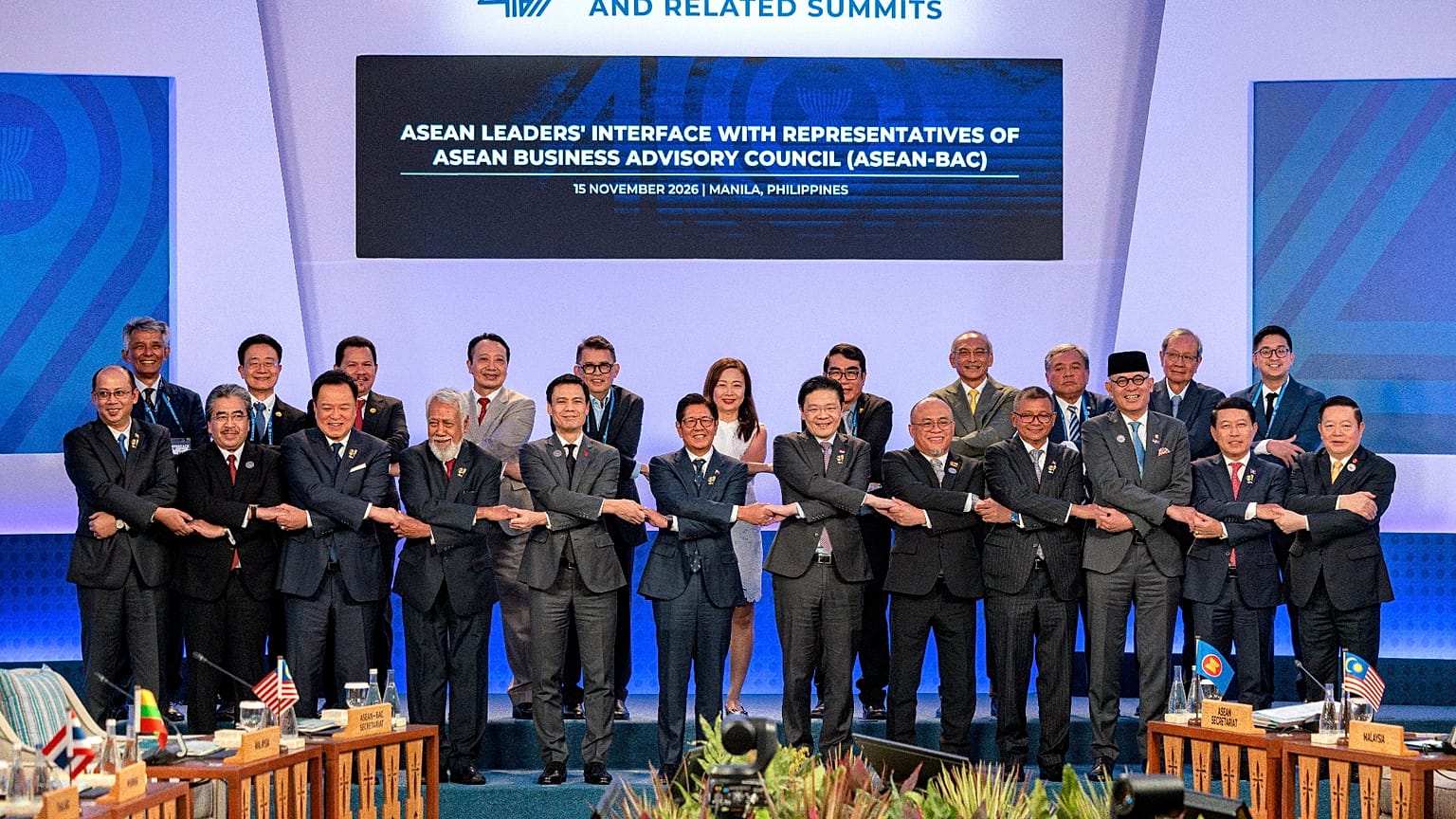
The Digital Economy Framework Agreement was signed by ministers in Manila. It is the Association of Southeast Asian Nations’ (ASEAN) first stand-alone, legally binding agreement on the digital economy.
It is due to take effect in May 2027, 180 days after signing, and replace the bloc’s 2019 agreement on electronic commerce, according to Singapore’s trade ministry.
Philippine President Ferdinand Marcos Jr. formally handed the signed agreement to ASEAN Secretary-General Kao Kim Hourn at the opening of the bloc’s summit on Sunday.
The pact promotes wider acceptance of electronic invoices, shipping documents and signatures to reduce paperwork. It also aims to make payment systems in different countries work together, helping businesses pay suppliers and receive money from customers abroad.
It sets rules for transferring commercial and financial data across borders, limiting requirements for companies to store that information locally, Singapore’s trade ministry said.
Singapore’s Deputy Prime Minister Gan Kim Yong said exceptions would remain to address concerns over privacy, business confidentiality and national security. Countries would also be able to move at different speeds as they develop their digital systems, he told reporters after the signing.
Putting the agreement into practice
The Asian Development Bank announced on Saturday an initiative aimed at raising up to $5 billion (€4.5bn) in public and private funding by 2030 to support the agreement.
The money would help develop digital infrastructure, payment systems that work across borders and tools to verify identities online, alongside measures to improve cybersecurity.
Gan said differences in countries’ digital readiness had made negotiations difficult. Governments were now identifying projects involving payments, digital identities and electronic trade documents that could be ready when the agreement takes effect.
The deal comes as online business expands across the region. Google, Temasek and Bain & Company forecast that transactions across Southeast Asia’s main digital sectors will reach $368 billion (€333bn) this year and exceed $1 trillion(€905bn) by 2035. Their study covers 10 countries and includes online shopping, travel and food delivery.
“The key measure of success will be what businesses experience on the ground,” said Singapore Business Federation chief executive Kok Ping Soon in a statement released by the trade ministry.