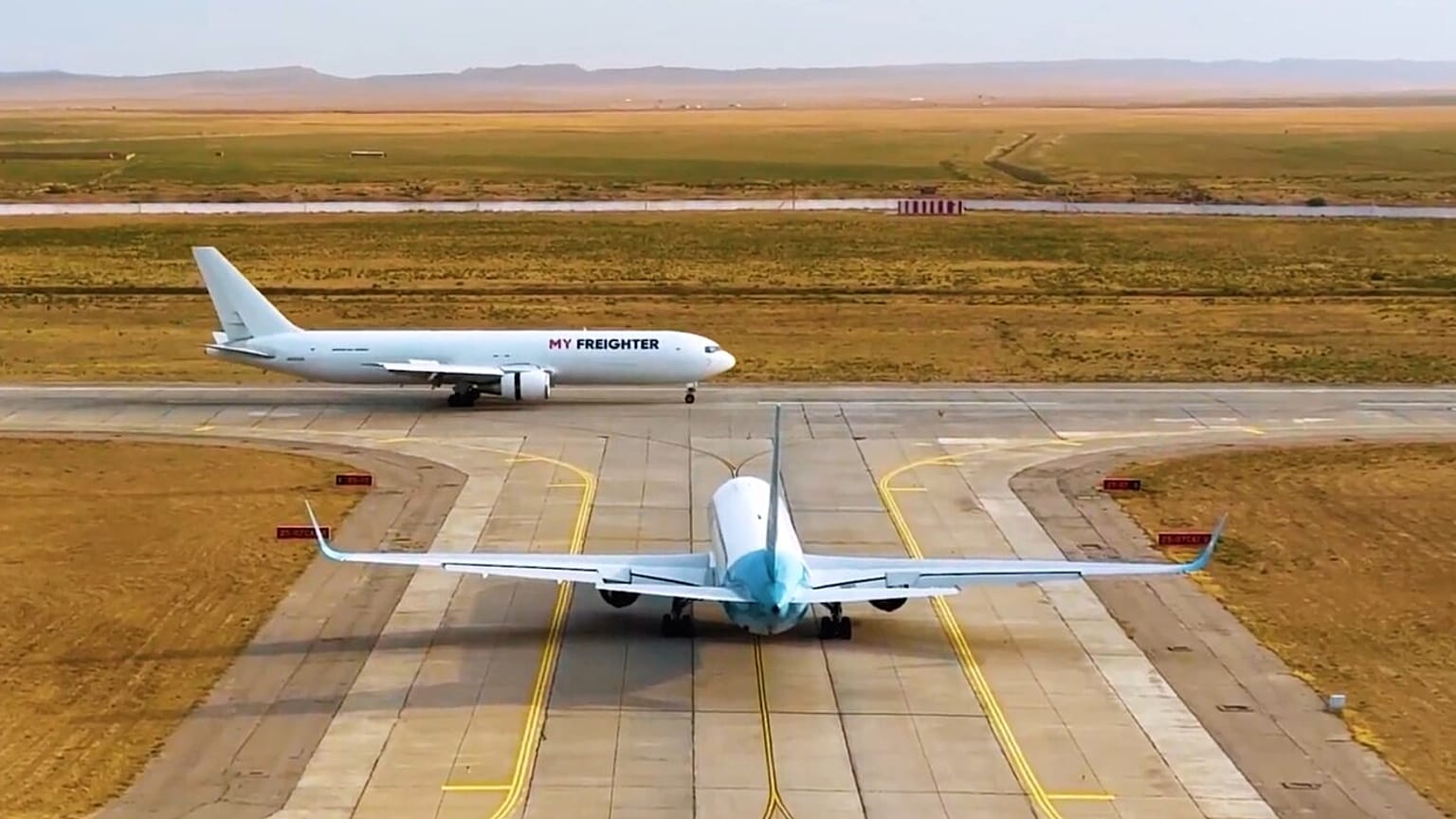














Uzbekistan and Kazakhstan agreed to higher weekly flight limits with Beijing, while a separate agreement allows more services between Tashkent, Almaty and Astana. Airlines are also exploring new regional routes, although rising operating costs remain a concern.
China has agreed to increase weekly flight limits with Uzbekistan and Kazakhstan, while a separate deal between the two Central Asian neighbours will allow more services on regional routes.
 ADVERTISEMENT
The agreements were reached during the third meeting of the Central Asia–China (C5+1) Working Group on Civil Aviation Cooperation, held in Tashkent.

Uzbekistan and China agreed to raise the limit on weekly flights between the two countries from 100 to 114.
Kazakhstan reached a separate agreement with China to increase its permitted weekly frequencies from 150 to 180, while adding Chengdu and Kashgar to the list of destinations airlines are authorised to serve.
Building the 'Air Silk Road'
The latest agreements build on the "Air Silk Road" initiative, which aims to open new routes and make it easier for airlines to operate across borders.
In January 2024, Uzbekistan's Ministry of Transport and the Civil Aviation Administration of China signed an agreement to jointly develop the initiative.
Uzbekistan now wants travellers flying from China and neighbouring Central Asian countries to Europe to be able to change planes at its airports, according to Jamoliddin Nazarov, Head of the Air Transport Department at the country's Ministry of Transport.
Kyrgyzstan signed its own memorandum with China under the initiative in 2024.
"In 2025, working together with our Chinese colleagues, we opened a new air corridor," said Qanat Tologonov, Deputy Director of Kyrgyzstan's State Civil Aviation Agency.
In April 2026, China's Chengdu Airlines launched a weekly direct service between Kashgar in western China and Osh, Kyrgyzstan's second-largest city, using a Chinese-made C909 aircraft.
In Kazakhstan, airlines want to serve more Chinese cities beyond major hubs such as Beijing and Shanghai, according to Saltanat Tompiyeva, Chair of the country's Civil Aviation Committee.
Expanding air travel within Central Asia
The Tashkent meeting also produced agreements covering flights between Central Asian countries themselves.
Uzbekistan and Kazakhstan agreed to raise the permitted number of weekly flights between Tashkent and both Almaty and Astana from 42 to 60 on each route. The limit on other routes between the two countries will increase from 14 to 20 flights a week.
Kazakhstan's Civil Aviation Committee says the changes will help meet growing demand for travel between the two countries.
Vietjet Qazaqstan launched direct flights from Astana to Bishkek and Samarkand in November 2025, increasing frequencies on both routes in early 2026.
Adilbek Umraliyev, the airline's CEO, told Euronews that further opportunities exist in smaller regional destinations, highlighting Bukhara and Samarkand for their "quite significant tourism potential".
Rising costs pose challenges for airlines
For airlines considering additional cross-border routes, operating costs remain a concern.
Umraliyev said rising fuel prices and airport charges are making regional flights more expensive to operate.
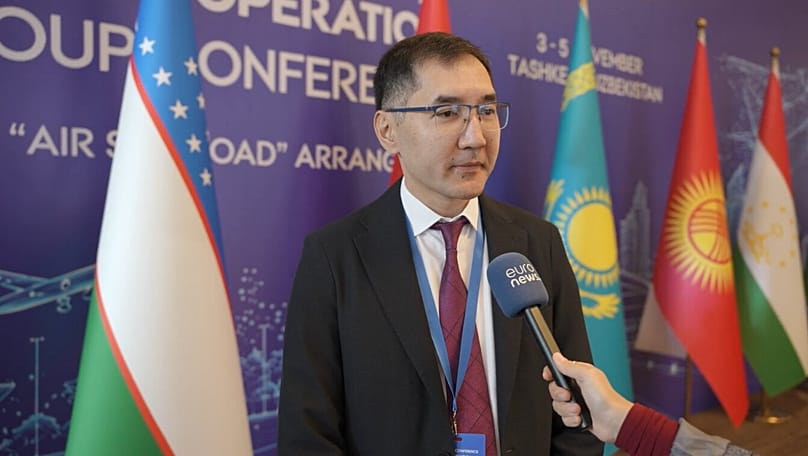
He called for closer cooperation between aviation authorities and airlines to address these costs and make cross-border travel more affordable.
Passenger demand is another consideration, particularly for smaller cities seeking regular international flights.
"There needs to be sufficient passenger traffic, business activity and economic demand in each country," Tologonov said.
Read more