




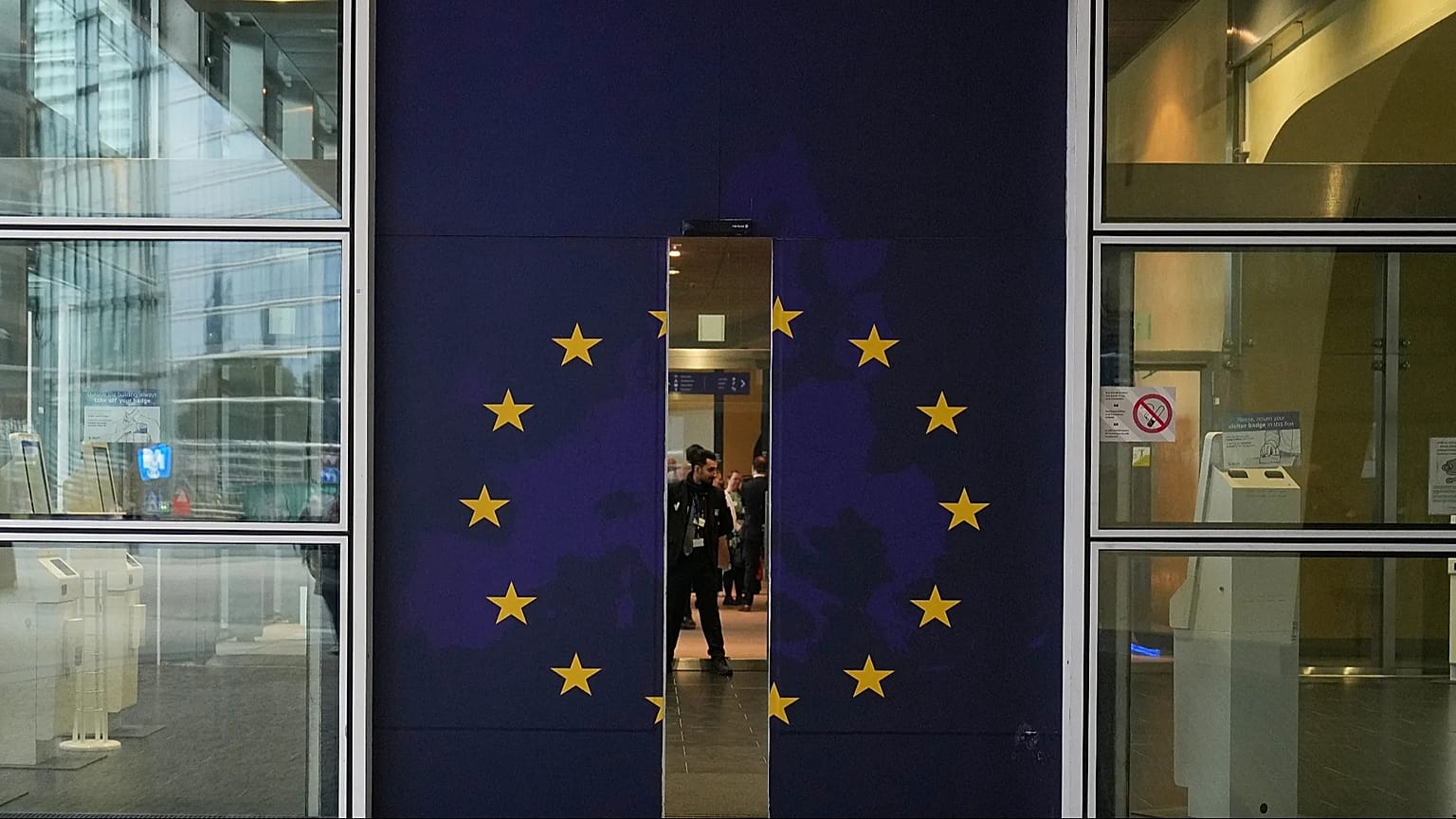













The 2026 Commission’s entrance exam drew nearly 175,000 applicants, 80,000 from Italy alone. How can the EU address recruitment imbalances while selecting candidates on merit? Ask the Euronews chatbot.
EPSO Candidates who applied before March 10 can take the AD5 Generalist Competition test between November 9 and 13.
 ADVERTISEMENT
This round attracted a record 174,922 applicants, more than triple the 22,644 who applied in the previous AD5 competition in 2019. It drew particular attention because 79,343 applicants (45.4%) were from Italy, far more than from Spain (13,789), Germany (11,699) and France (10,939). Denmark submitted only 987 applications, and Luxembourg 630.
These figures highlight how popular EU careers are in some countries but not in others.
EU institutions have struggled for decades with the overrepresentation of certain nationalities, leading to a geographical imbalance in Europe’s permanent civil service. This is largely driven by low wages and poor labour market conditions in countries such as Italy, Spain, Greece and Portugal, prompting people to seek better opportunities through EU careers.
Rules require EU institutions to recruit staff from the widest possible range of nationalities, but they struggle to attract staff from parts of Northern and Western Europe. The Commission itself reports that 15 of 27 nationalities are underrepresented, including the Netherlands, Austria, Finland, Sweden, Slovakia and Czechia.
In 2025, the European Commission introduced new recruitment guidelines. Offices must interview at least one candidate from an underrepresented nationality for each post, give them preference if qualifications are the same, and can set nationality-based targets, but must not reserve posts for nationals of a specific member state.
In 2022-2023, Brussels used Joint Action Plans to address geographical imbalances, keeping merit the primary hiring criterion while targeting outreach, candidate support, and vacancy visibility in underrepresented member states. No jobs were reserved for nationals of specific states.
Do you want to know more about how the EU ensures fair national representation in its civil service? Ask the Euronews AI chatbot!