




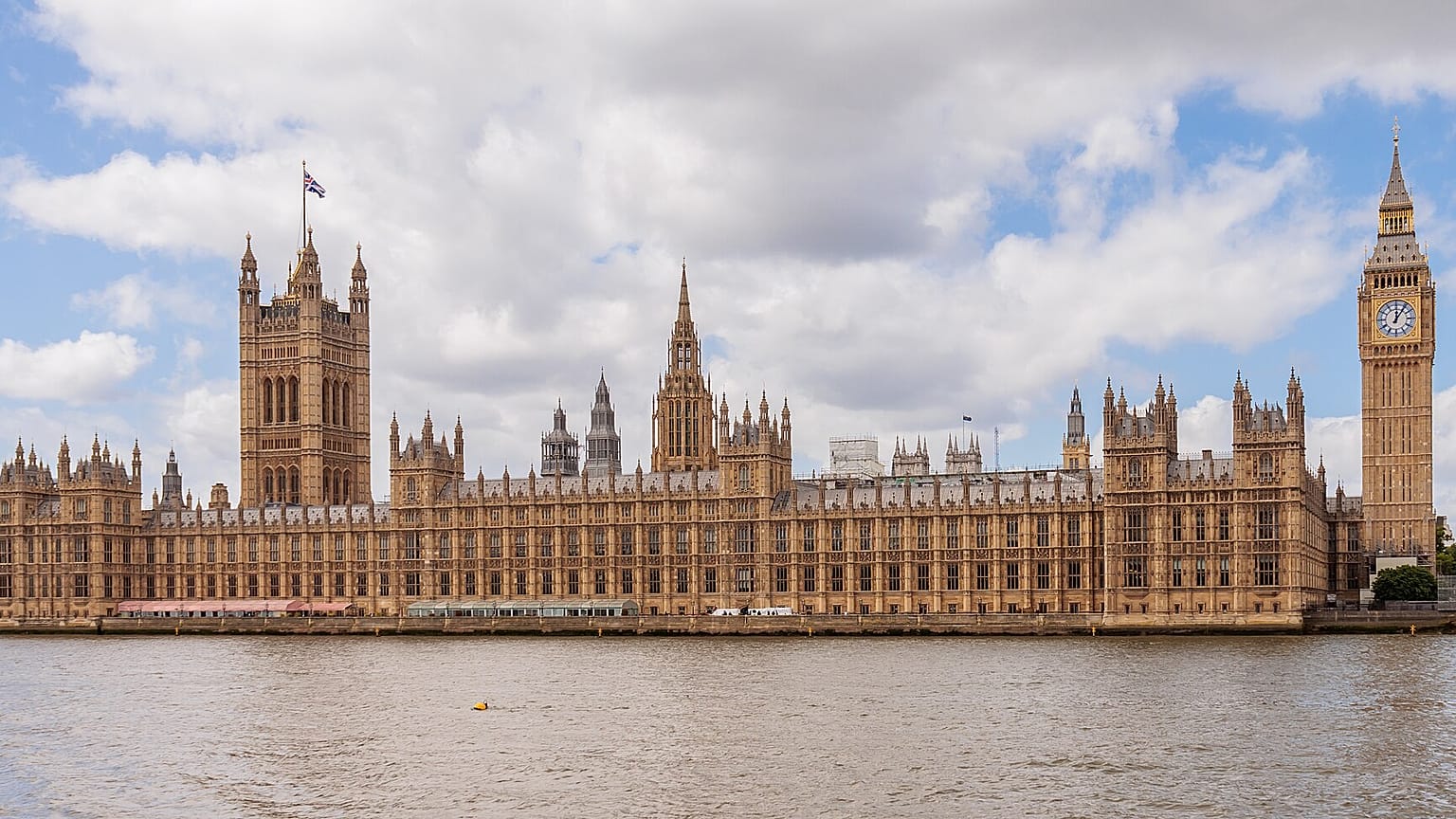













The Palace of Westminster could risk severe damage as the ageing building's renovation has been continuously postponed over political disagreements.
The continuous delay of Britain's centuries-old parliament major restoration project puts it at risk of a major failure, members of the UK parliament warned on Wednesday.
 ADVERTISEMENT
Crumbling masonry, ageing electrics, frequent leaks and high asbestos levels are just some of the problems threatening the integrity of the UK's parliament building, parts of which are over 900 years old.
The UNESCO World Heritage site requires billions of pounds to be renovated, but members of parliament have been unable to decide on how to proceed.
This indecisiveness has led to spiralling costs and risks causing a "catastrophic failure" that would harm the UK's "morale and reputation", according to the parliament's public accounts committee.
"A lack of action risks, for instance, the chamber being plunged into darkness during the state opening of parliament," said chair Geoffrey Clifton-Brown MP, referencing when the monarch comes to the lower House of Commons to read out the government's legislation plans.
"Consider the impact of global rolling news footage of Notre Dame-like flames licking out of the building's roof, resulting in the destruction of our heritage, or worse, injuries or loss of life. These are not notional possibilities, but real and rising risks," he added.
The building, originally built in the eleventh century, has already suffered two fires that destroyed the royal apartments in 1512 and a larger one that destroyed the majority of the palace in 1834.
MPs delaying renovation since 2018
Parliamentarians first voted to move out of the central London site in 2018 to allow extensive repairs. But there has since been disagreement about whether this should go ahead.
Both houses are expected to hold a series of votes on this restoration plan later this year to choose how deep the renovation should be carried out.
The current options include a "full decant" costing up to £15.6 billion (€18.7 billion) and lasting up to 24 years, where both houses leave for much of the works.
A partial decant called "enhanced maintenance and improvement plus", where no more than 30 per cent of staff would stay on site at any one time, is projected to cost £39 billion (€46.8 billion) and take up to 61 years.
Current timescales predict that work will start in 2032.
In its report, the committee warned that the weekly cost of maintenance on the parliamentary estate is expected to grow from the current £1.5 million (€1.8 million) to £2 million (€2.4 million) in the coming years.
Each year the programme is delayed will add £420 million (€504 million) to the lifetime costs of delivering the scheme, it added.