




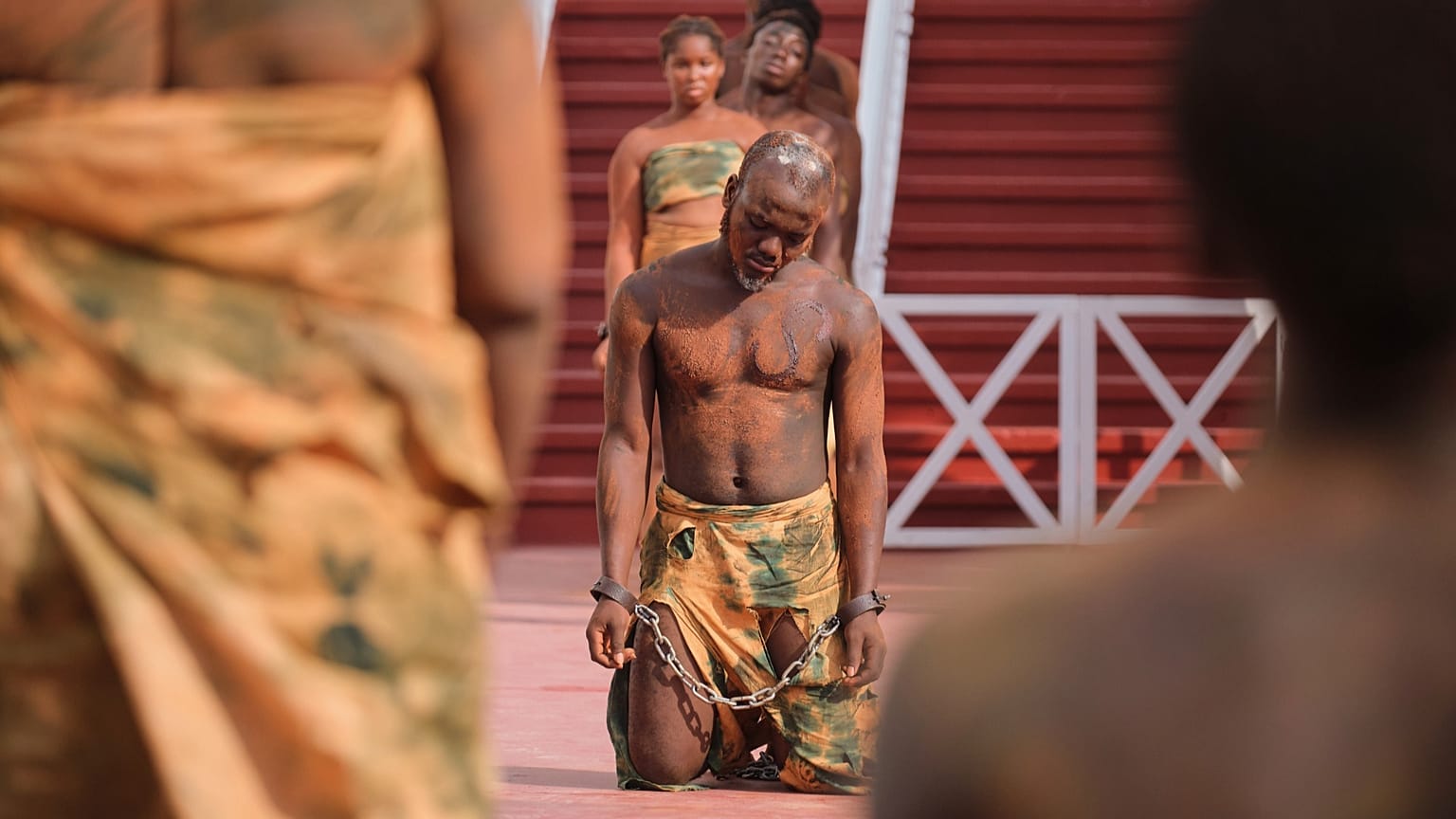













At the Commonwealth Heads of Government Meeting in Antigua and Barbuda, Prime Minister Andy Burnham floated a "debt reset" plan for the poorest Commonwealth countries that could alter interest rates on repayments.
Britain's Foreign Secretary Ed Miliband has said it was "not feasible" for the country to pay reparations for slavery, after King Charles III expressed remorse amid calls for a formal apology and compensation.
 ADVERTISEMENT
"It's not the right answer. It's not practical. It's not feasible for us, but there are things we can work on co-operatively," Miliband told the BBC in an interview aired on Wednesday.
He added that London would not "shift our position on reparations".
Miliband also hinted that Britain could issue a long-demanded formal apology for its role in the slave trade next year when it hosts a G20 leaders' summit.
Asked whether the UK could reach that point by the meeting in Manchester next November, Miliband said: "Broadly speaking, yes".
But he insisted an apology would not pave the way for financial compensation.
At the Commonwealth Heads of Government Meeting in Antigua and Barbuda, Prime Minister Andy Burnham floated a "debt reset" plan for the poorest Commonwealth countries that could alter interest rates on repayments.
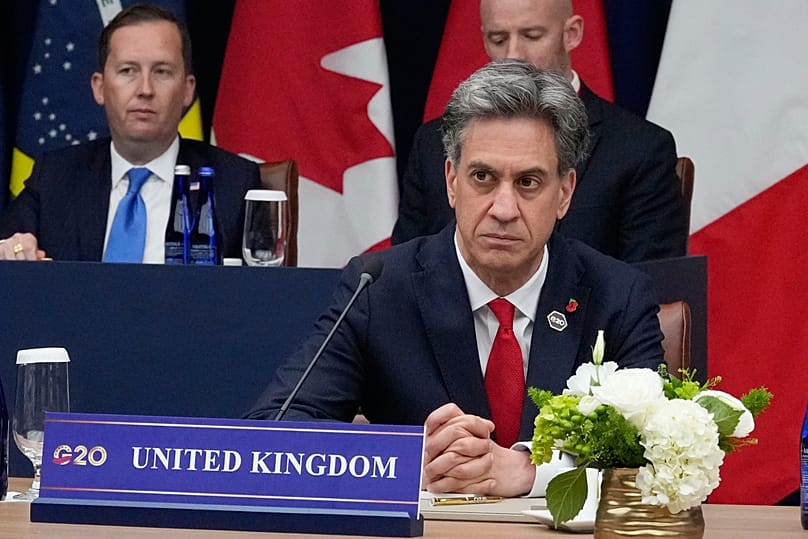
Burnham told reporters on Tuesday: "I've been very clear that we do not support reparations...but it's not the case that we don't support countries in the Commonwealth around development helping them with debt issues that they've got".
Britain's pivotal role in slavery has long strained relations with its former colonies. Burnham said he would have "difficult conversations" to safeguard the Commonwealth's future.
In a tense Commonwealth meeting in Samoa in 2024, countries backed talks over reparatory justice after Britain, then under Keir Starmer's leadership, tried to avoid addressing the issue.
Burnham's change of tack has not gone down well at home, with opposition Conservative party leader Kemi Badenoch and the right-wing press criticising his approach.
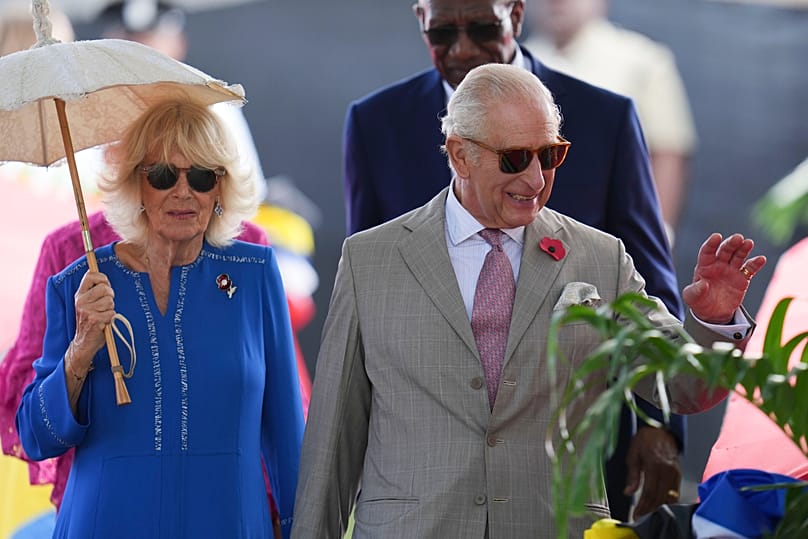
King Charles went further than previous royals when he expressed his "horror", but stopped short of apologising and stressed Britain's role in eventually abolishing slavery.
The king opened the summit, part of a nine-day Caribbean tour, calling slavery a "monstrous injustice" that "still casts a shadow over these islands and other members" of the 56-nation group of mostly former British colonies.
Charles and Queen Camilla are to end their Caribbean tour and depart from Antigua and Barbuda on Wednesday.