


















The vote puts together two candidates with sharply contrasting views on how Bulgaria should engage with Russia and the war in Ukraine moving forward.
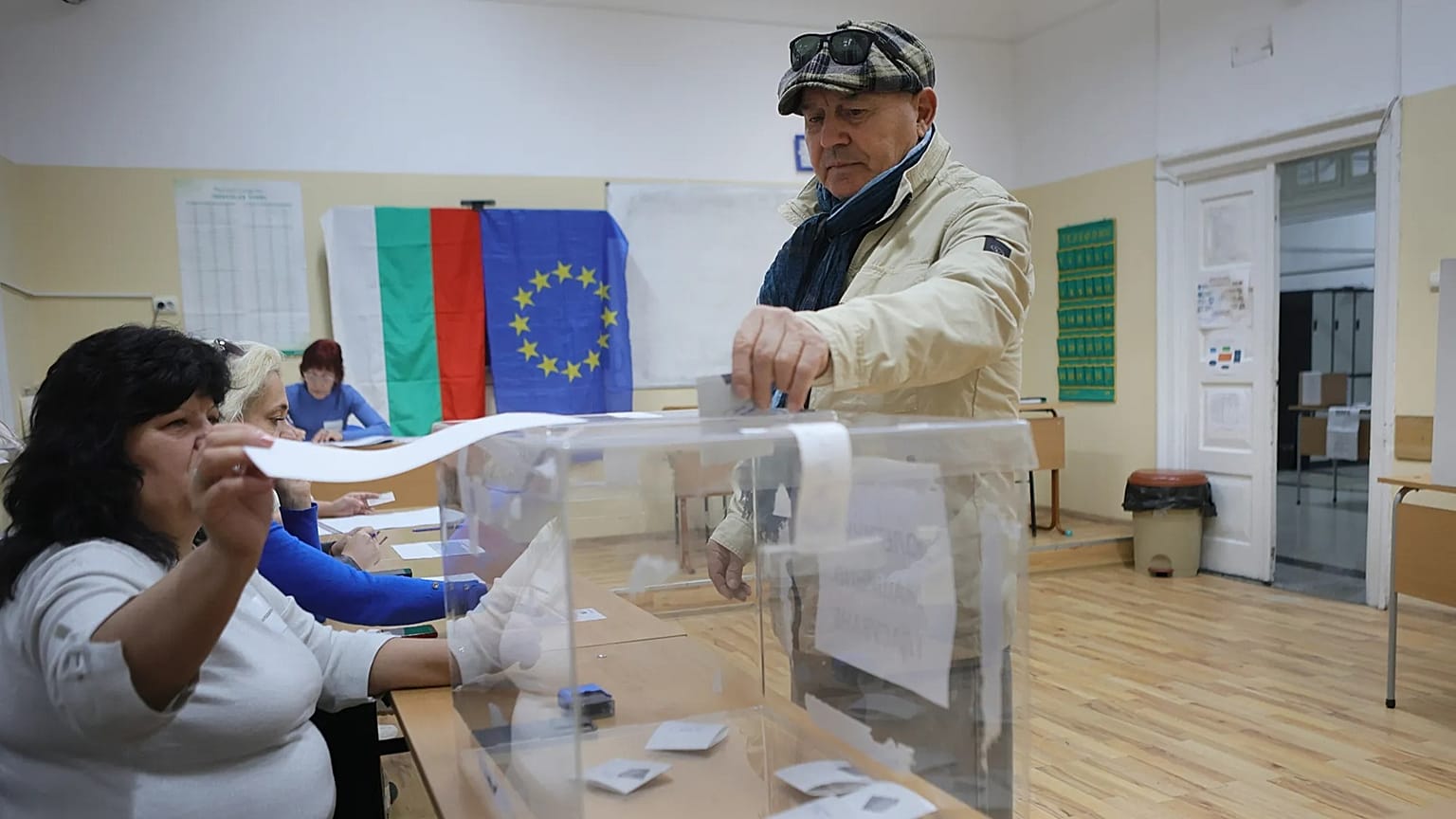
Bulgarians are voting on Sunday in a tense presidential runoff between incumbent President Iliana Iotova and pro-Western rival Andrey Gyurov.
 ADVERTISEMENT
Iotova won the most votes, around 35%, in the first round of voting, giving her a lead of 43,000 over Gyurov - a surprise result as earlier opinion polls had suggested a more comfortable victory.
Polling stations opened at 7 am local time on Sunday and will close at 8 pm.
The vote puts together two candidates with sharply contrasting views on how Bulgaria should engage with Russia and the war in Ukraine.
Iotova, who is backed by the ruling Progressive Bulgaria party, the Bulgarian Socialist Party and the nationalist VMRO, has pushed for dialogue with Moscow and opposes continuing military aid to Ukraine.
Gyurov is supported by the opposition, Democratic Bulgaria and We Continue the Change, and argues that the Kremlin must end its war before coming to the negotiating table.
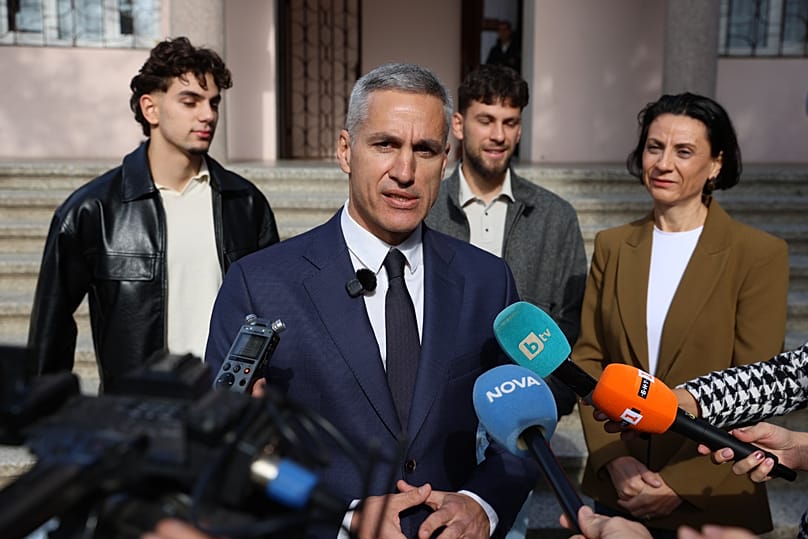
In a televised debate on Thursday evening, Iotova said "peace can only be achieved through negotiations."
"If we pour even more money into Ukraine and deliver new, more sophisticated weapons, this will only lead to further destruction and many deaths on both sides," she added.
In contrast, Gyurov argued that "Russia must put an end to its aggression so that the next steps can be taken."
"Let us name the country from which the threats originate," he said.
Bulgaria, an EU and NATO member, has historically had close ties with Russia, and the country is deeply divided over how it should move forward with this relationship.
The vote comes amid a series of attacks on vessels in the Black Sea off Bulgaria, which has further intensified conversations around the topic of relations with Russia.
Prime Minister Rumen Radev maintains that a ceasefire in Ukraine and peace talks are the only guarantees that the Black Sea will once again be a safe route for commercial ships.
While Radev has said the attacks appeared to serve Russian interests and has summoned the Russian ambassador over the incidents, the government says there is so far no evidence directly linking them to Moscow.
Political analyst Teodor Slavev told the AFP news agency that the presidential election would see voters give their verdict on "Iotova's unconvincing response regarding Russian threats in the Black Sea."