


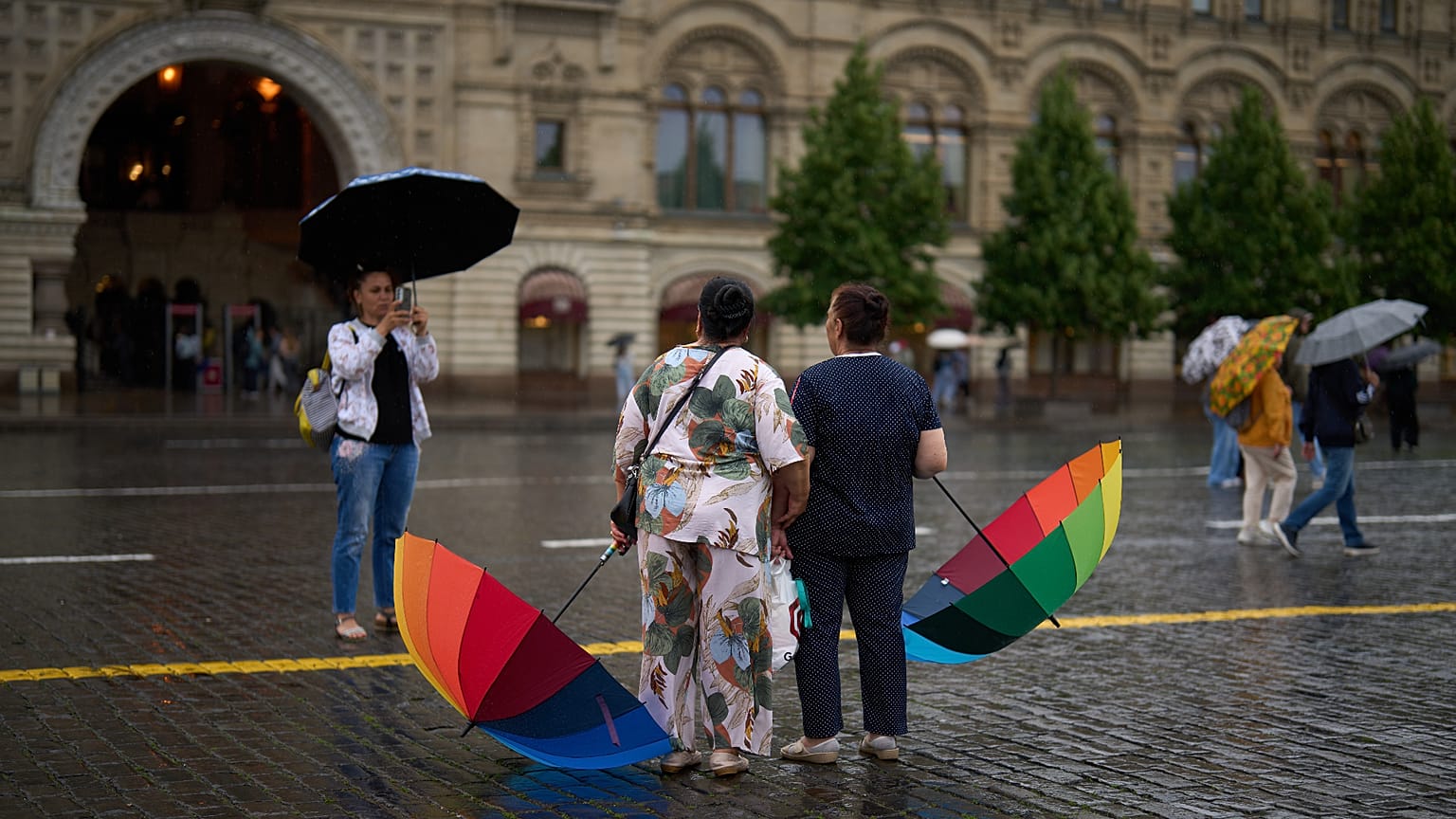


EU tourist arrivals fell from 5 million in 2019 to 160,000 in 2025 as sanctions, cancelled flights and other restrictions due to Russia's ongoing war in Ukraine severed Western leisure travel, prompting Moscow to look east.
Russia has introduced visa-free entry for Vietnamese citizens as part of a broader effort to deal with the collapse of Western visits since its 2022 full-scale invasion of Ukraine, with visitors from Asia and the Middle East.
 ADVERTISEMENT
The number of tourists from EU countries travelling to Russia fell to around 160,000 in 2025, from just over 5 million in 2019. Cancelled direct flights, payment card restrictions and sanctions have effectively severed leisure travel from Europe and the US, and inbound tourism as a whole declined further in the first half of 2026.
The Vietnam visa-free decree signed by Vladimir Putin and taking effect on Thursday covers tourists, businesspeople, members of delegations and transit passengers.
Vietnamese nationals seeking long-term residency, employment or study in Russia will still require a visa. For several years, Russian citizens have been able to enter Vietnam visa-free for stays of up to 45 days.
Vietnamese visitors to Russia rose 69% in the first half of 2026 compared with the same period in 2025, according to the Association of Tour Operators of Russia, which projects a further 25-30% increase after the visa requirement was removed.
Vietnam has become the third most popular foreign destination for Russian travellers. Figures were also rising on the other end: the Vietnam National Administration of Tourism recorded 1,134,000 Russian visitors in the first nine months of 2026, a 160% increase, making Russia its third-largest source market.
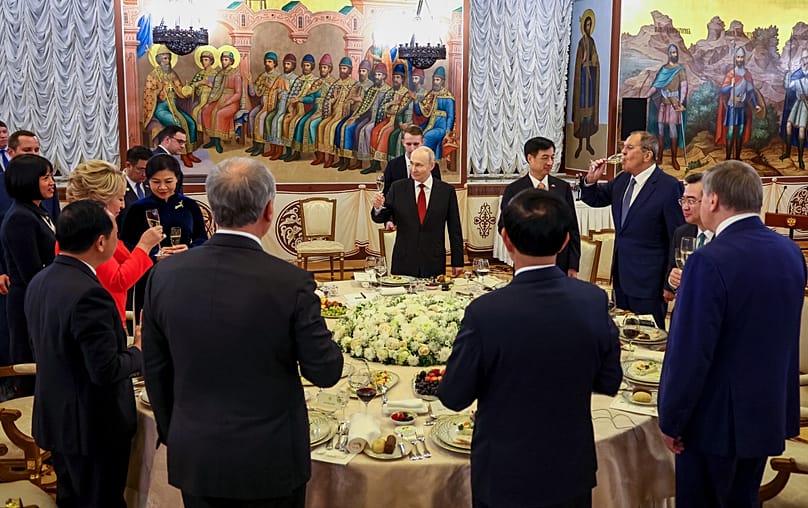
The visa arrangement followed an early September meeting in Moscow between Putin and Vietnamese President To Lam, who described the Russian leader as "a great friend and close brother of the Vietnamese people."
Moscow and Beijing introduced reciprocal visa-free travel in late 2025, with Chinese arrivals growing but falling short of official expectations.
The Russian government has projected 4.2 million Chinese visitors by year-end and 5.5 million in 2027. Up to 516,000 Chinese tourists arrived in the first half of 2026, a pace analysts described as well below those targets.
Safety concerns have been cited as a factor, with reports of drone incidents over Moscow's airports attracting attention in Chinese media.
Vietnam has not joined Western sanctions against Russia over the full-scale invasion of Ukraine in 2022 and does not supply weapons to Kyiv. Hanoi has called for a ceasefire and negotiations but has avoided publicly criticising the Kremlin. China maintains a similar position of official neutrality.
Russian government figures could not be independently verified.