




























The part of the Tian Shan mountains that stretches from south-eastern Kazakhstan to Kyrgyzstan is home to the wild Sievers apple (Malus sieversii), the ancestor of every apple we know today. But how did it travel from Central Asia to orchards around the world?
The humble apple is one of the most affordable, widely grown and popular fruits in our diet. But have you ever wondered how this fruit travelled across continents and eventually landed on your table?
 ADVERTISEMENT
ADVERTISEMENT
ADVERTISEMENT
For years, the apples' story was shrouded in mystery. Thanks to genetic research, we now know that two wild apple species, Malus sieversii from Central Asia and Malus sylvestris from Europe, played key roles in the transformation of the apples.
Nestled in the Tian Shan mountains of Central Asia, forests of Malus sieversii, or the wild Sievers apple, still thrive.
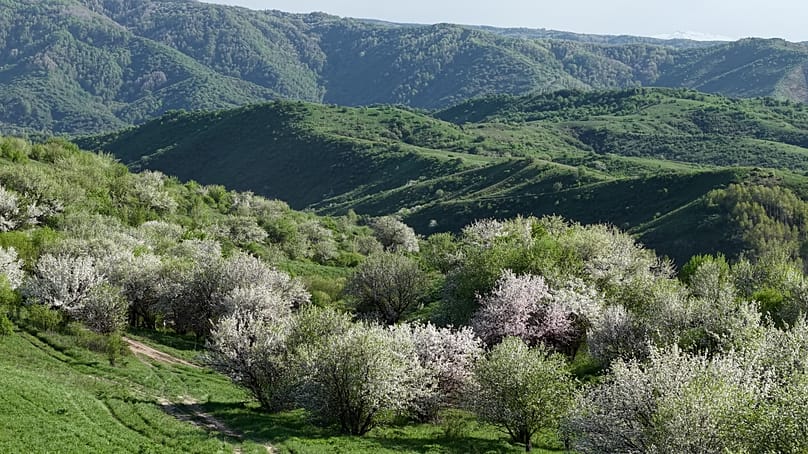
This species was named after the German botanist Johann August Carl Sievers, who wrote about the wild apple forests he encountered in the region in the 18th century.
"In the 1930s, scientist Nikolai Vavilov studied the forests of Central Asia and established that Kazakhstan is the home of the Sievers apple,” said Gulnara Sitbayeva, Doctor of Biological Sciences.
"In one study, scientists analysed more than 10,000 cultivated apple varieties. The fact that 46% of the samples contained genetic material from the Sievers apple provided evidence that it is a progenitor of modern cultivated apples," she added.
But how did the Sievers apple spread from Central Asia to the rest of the world?
Birds and animals first spread apple seeds across the Tian Shan mountain slopes. Later, people carried wild apples along the Silk Road.
Sievers apple blossom festival
Today, the blossoming of the Sievers apple is celebrated as one of Kazakhstan’s most breathtaking natural spectacles, often compared to Japan’s famous sakura blossom season.
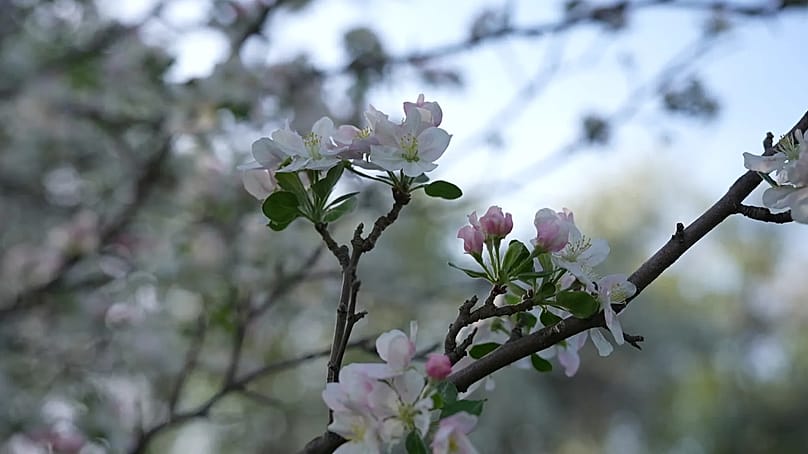
Each spring, the Zhetisu region hosts a festival celebrating the Sievers apple's bloom.
A traditional yurt camp is set up for the festival, alongside exhibitions of national crafts and workshops. Visitors can watch traditional sports and take part in other national games.
What links Almaty and New York?
Unlike New York, known as 'The Big Apple', Almaty is a city whose very name is linked to the apple.
In Kazakh, "alma" means apple, and the name Almaty is traditionally associated with a place rich in apples. Here, the fruit is not just part of the city’s name, but a symbol of its spirit.
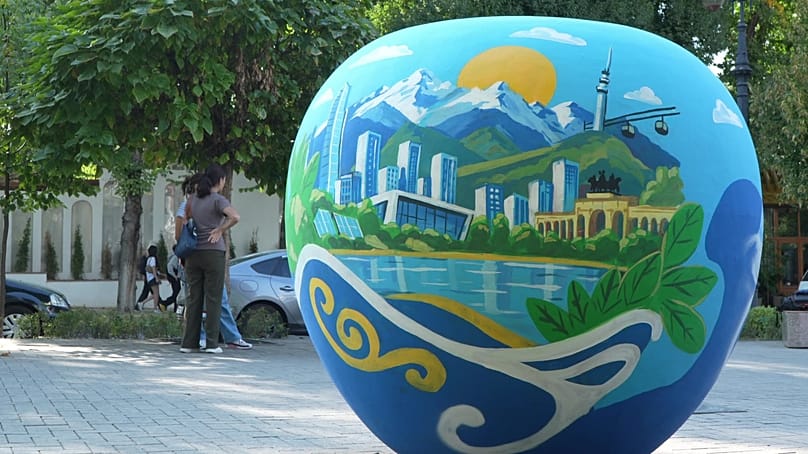
Almaty lies at the foot of the mountains, where wild apple trees have grown for centuries. Apple shapes and motifs appear in urban design, decorative details, sculptures, murals and public spaces throughout the city.
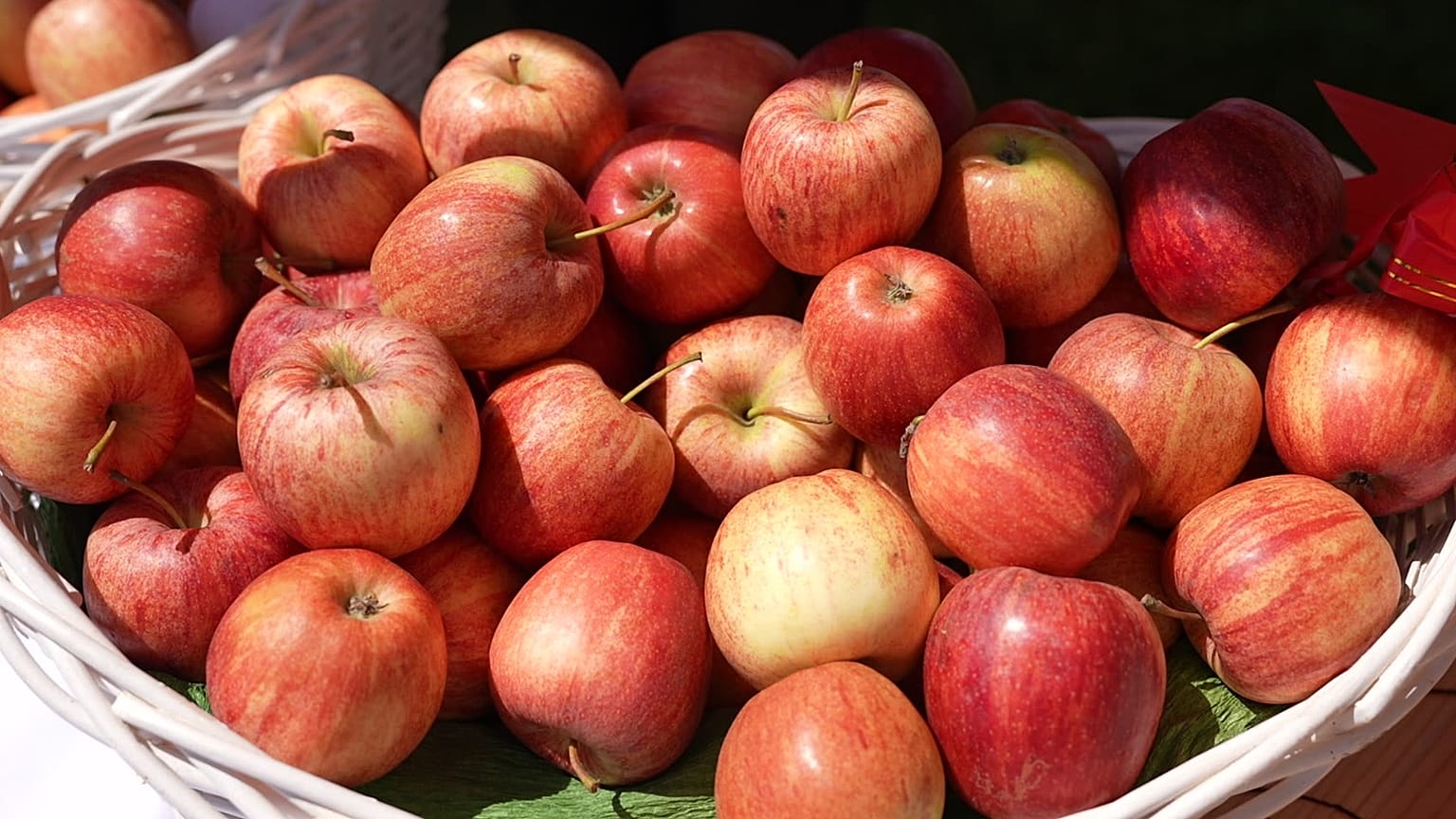
Over time, orchards appeared, along with varieties that became known far beyond the region. One of the most famous is Aport. The variety was developed through selective breeding and became known for its large fruit and distinctive aroma.
Ivan Sergeev and his family have been growing the legendary Aport for almost 20 years.
"The aroma of Aport apples is like French perfume. These apples also have very delicate skin, so we harvest the entire crop by hand," he said.
"My orchard also has Sievers apple trees. The main difference between Sievers and Aport is that Sievers is a wild apple, and the tree can live for 250 to 300 years. Aport trees live for around 40 to 70 years."
Today, apple orchards have also become places to visit. Around Almaty, people can find farms where they can come during the harvest season, walk through the orchards and pick apples straight from the trees.
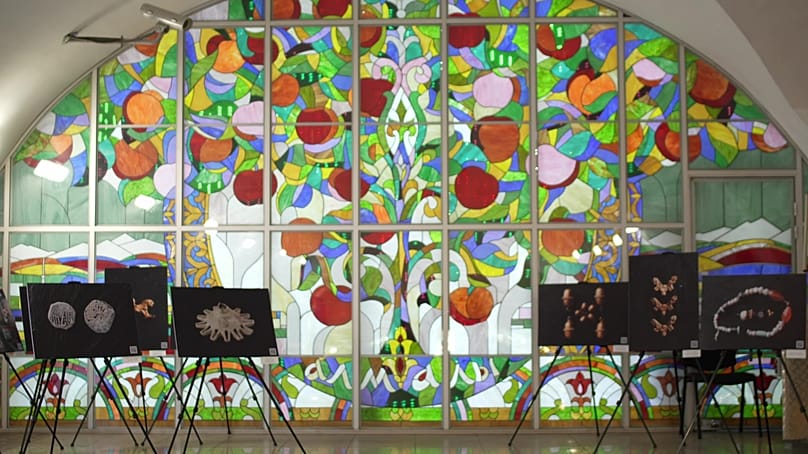
Beyond that, Almaty hosts the annual Alma Fest, a major harvest festival where farmers bring apples from their orchards.
Here, apples can be seen and tasted in many different forms: fresh juice, dried apple slices, jams and other products. This year, more than 200 tonnes of apples were brought to the festival.