




























Tourism in both Tokyo and Seoul has been booming for a while now and there’s no sign of this slowing down just yet. Here we take a look at two of Asia's trending capital cities.
What’s the answer to the question in the headline above? It’s an easy one, really. If you are planning a trip to the Far East, then of course you should visit both Tokyo and Seoul.
 ADVERTISEMENT
ADVERTISEMENT
ADVERTISEMENT
The capitals of Japan and South Korea have emerged as two of the world’s most in-demand destinations – not just for the trendy jet-setters, but for travellers of all ages and interests.
As someone who’s been to both – and is genuinely fascinated by both – Tokyo and Seoul offer very different vibes for a city break in Asia.
But the one thing they do have in common is the sheer amount of things to see and do, especially for first-time visitors.
Tokyo: A big-city experience
Few cities can match Tokyo for sheer scale or energy. And the numbers don’t lie as in 2025 Japan’s capital welcomed a record 28.65 million international visitors.
According to the Japan National Tourism Organization (JNTO), the country’s travel sector is “booming” and for many first-time visitors classic destinations like Tokyo and Kyoto remain a major draw with their temples and historic neighbourhoods.
Tokyo really does have everything and is so big that it can sometimes feel like there are cities within a city, with each area and district having their own personality.
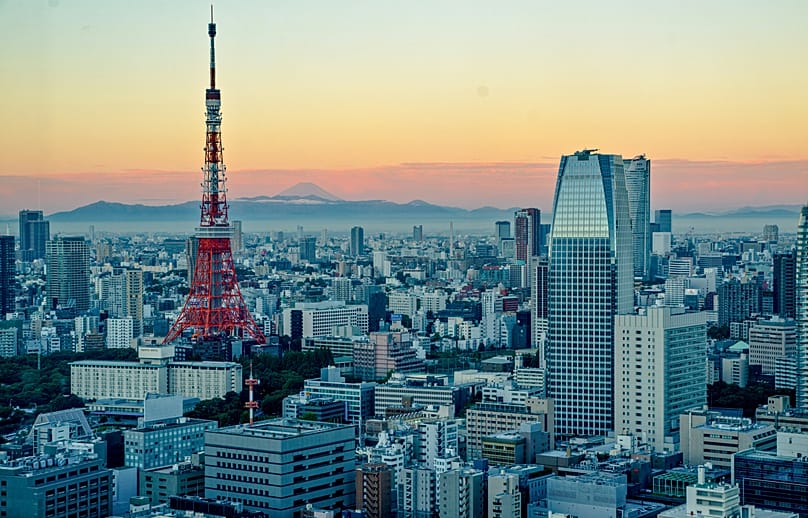
When I arrived my first port of call was the gigantic Shinjuku train station – a memorable experience in itself. Not only is it the world’s busiest station, serving more than 2.7 million passengers every day, but there are also more than 200 exits. Yes, 200. So, first things first, if you arrive at Shinjuku carefully check where to exit or you could soon get lost…
Once you have managed to leave the station and make it to street level, you’ll really feel like you’ve arrived. Shinjuku is home to towering skyscrapers, wide shopping streets and plenty of cafes, bars and restaurants – many of which are open around the clock.
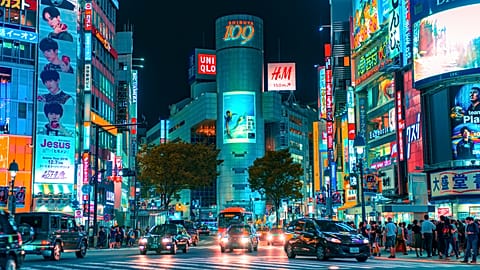
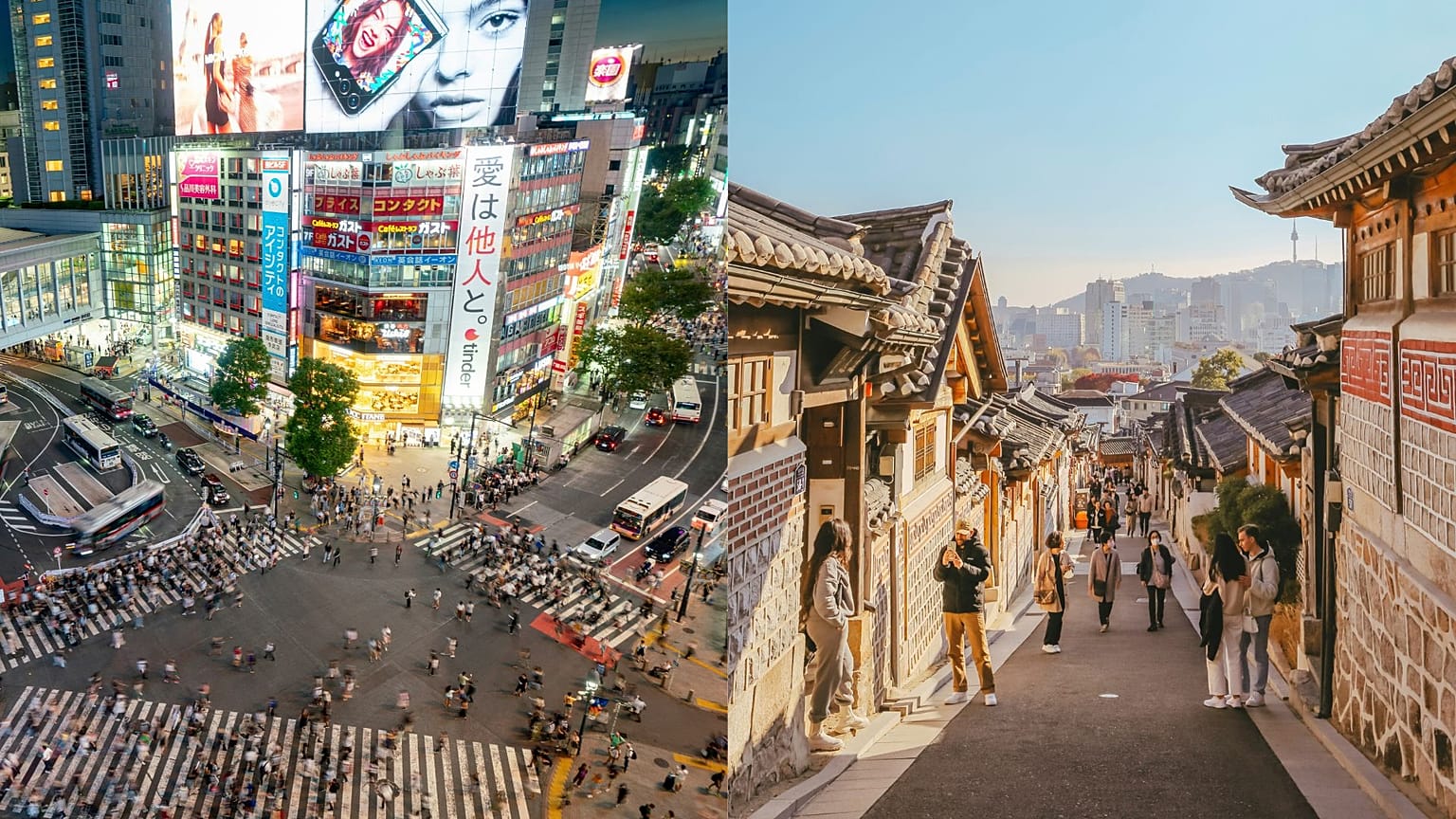
Another introduction to modern Tokyo is Shibuya with its famous crossing, shops and observation decks. For fashion and creativity head to Harajuku, a close walk from Shibuya, where you’ll see street fashion and youth culture on display from stylish Tokyoites.
Akihabara is Tokyo’s go-to district for pop culture, electronics, anime and manga. Other cool areas to see include Roppongi and the Roppongi Hills Mori Tower, which boasts the Tokyo City View observation deck, and Ginza, which offers luxury shopping and high-end restaurants.
While modern Tokyo is neon-lit and bustling at all hours, centuries of culture and heritage reveal a much slower side to the Japanese capital.
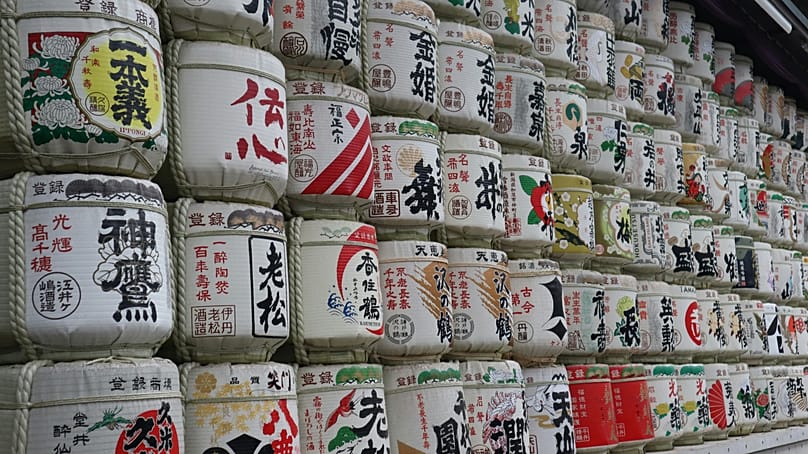
Located in the historic district of Asakusa, Sensō-ji is Tokyo’s oldest Buddhist temple and definitely worth a visit. As is Meiji Jingu Shrine next to Yoyogi Park in Shibuya. Don’t forget your camera here as there’s an Insta-worthy shot of a wall of decorated saké barrels on the path leading towards the shrine. Honestly, your camera roll will soon be full…
For foodies, Tokyo has more Michelin-starred restaurants than any other city in the world, including 11 three-star and 26 two-star. However, it’s not all about fine dining as some of the most memorable meals can be found on the streets and are quite affordable.
A few days is not nearly enough to truly discover what makes Tokyo one of the world’s best capitals. With temples, traditional gardens, anime culture and a brilliant nightlife to explore, even a week would barely scratch the surface here.
If you do have a day or two to spare though, don’t miss out on Mount Fuji and the Fuji Five Lakes region. We stayed by Lake Kawaguchi and here you can enjoy lakeside walks, hot springs and panoramic viewpoints of Japan’s iconic peak.
Seoul: K-culture sparks tourism boom
While Tokyo has long been one of Asia’s tourism heavyweights, Seoul is experiencing a remarkable rise of its own – thanks in part to all things “K-culture”.
In South Korea’s capital, K-pop, K-dramas, Korean food, fashion and beauty have helped create one of the world’s hottest city break destinations. Need proof? Just look at some of the trends and stats.
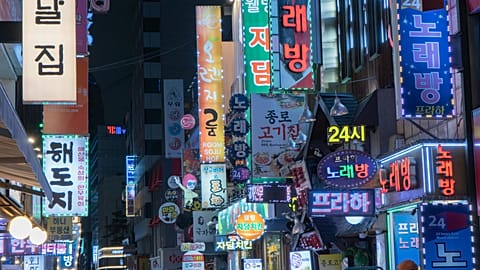
Described by Time Out as “a master of all trades”, Seoul jumped 33 places to rank ninth in the magazine’s 50 Best Cities in the World for 2026. The trendy Jongno 3-ga was also named by Time Out as officially the coolest neighbourhood on Earth. High praise indeed. Head to Jongno 3-ga and explore a “maze of alleys, late-night food stalls and rivers of makgeolli”.
With the rise of K-culture, Seoul was also named the favourite worldwide city among Gen Z and Millennial travellers in the Trazees awards for the fifth consecutive year.
International arrivals are booming, too: a record 8.23 million overseas visitors came to the city during the first half of 2026, up 21.3% year on year, according to the Seoul Metropolitan Government.
Like Tokyo, one of Seoul’s biggest attractions is the contrast between old and new.
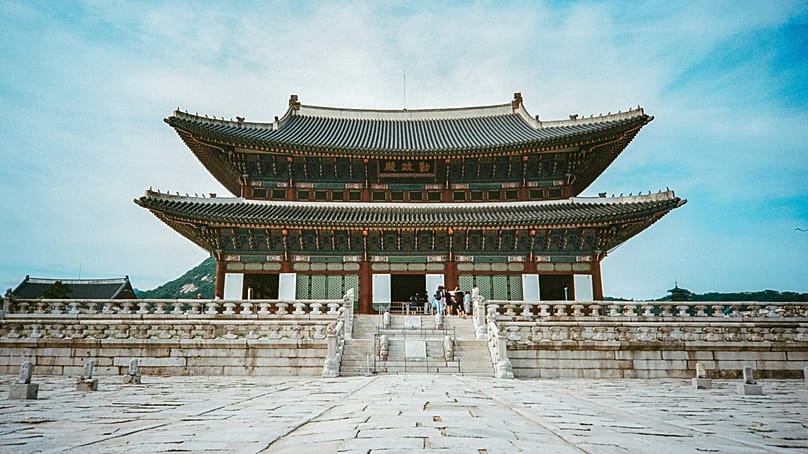
Start at Gyeongbokgung Palace, the largest of Seoul’s five grand palaces. Time your visit for the colourful changing of the guard ceremony before exploring its courtyards, pavilions and gardens. You can easily spend a few hours here.
From Gyeongbokgung Palace, walk to nearby Bukchon Hanok Village and explore the narrow streets lined with traditional Korean “hanok” houses. Personally, the village was one of the highlights from my trip.
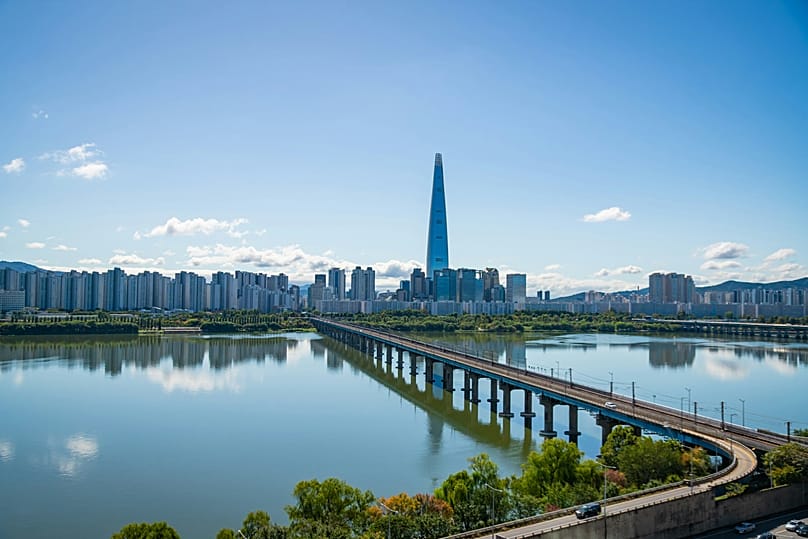
After the palaces and traditional side of Seoul, it’s time to hit the skyscrapers, shops and nightlife of Gangnam, made globally famous by Psy’s 2012 smash hit “Gangnam Style”. Please, don’t do the dance…
As well as a trip to trendy Jongno 3-ga, other neighbourhoods to put on your list include Myeong-dong, a major destination for shopping and street food, and Hongdae, which is known for its nightlife and music scene. Meanwhile, Seongsu has emerged as one of Seoul’s coolest districts for cafés, fashion and pop-ups.
Foodies should not miss out on the classics like Korean barbecue, soju, and “chimaek” – a hugely popular combination of fried chicken and beer. What a pairing. For fine dining, Seoul has 42 restaurants that have been awarded a Michelin star.
While Seoul is undoubtedly a megacity, there’s also plenty of nature to enjoy. The Han River cuts through the heart of Seoul and its waterfront parks can be explored on foot or by bike. Another nice option is a river cruise, especially at night. For hiking trails and mountain views, Bukhansan National Park is a good choice and easily accessible from the city.
Make time for N Seoul Tower and its views of the South Korean capital. Another attraction you’ll certainly see is Cheonggyecheon, an 11km-long restored stream and public park running through the centre of downtown Seoul.
For an easy day trip from Seoul, book a tour to the Demilitarized Zone (DMZ) between North and South Korea. It’s a strange experience, but worth seeing. Depending on the tour, you can visit the Dora Observatory for views across the border and Dorasan Station, a symbolic railway station built with the hope of connecting the two Koreas.
Tokyo or Seoul? Why not both?
So, which one will it be, Tokyo or Seoul? Tokyo wins for sheer scale and endless exploration, while Seoul offers an exciting mix of K-culture, historic sights and cool neighbourhoods. But there’s little reason to choose.
Direct flights between Tokyo and Seoul take around 2.5 hours, with multiple services every day. If time and budget allow, combining a trip gives you two very different sides of an Asian city break.
Faced with the difficult choice between them, I decided to visit both cities on the same trip. And I’d definitely do the same again.